Is Drinking Soda Bad For Weight Loss? Evidence-Based Tips
Discover how soda consumption impacts your weight loss goals and which beverages support healthy weight management.
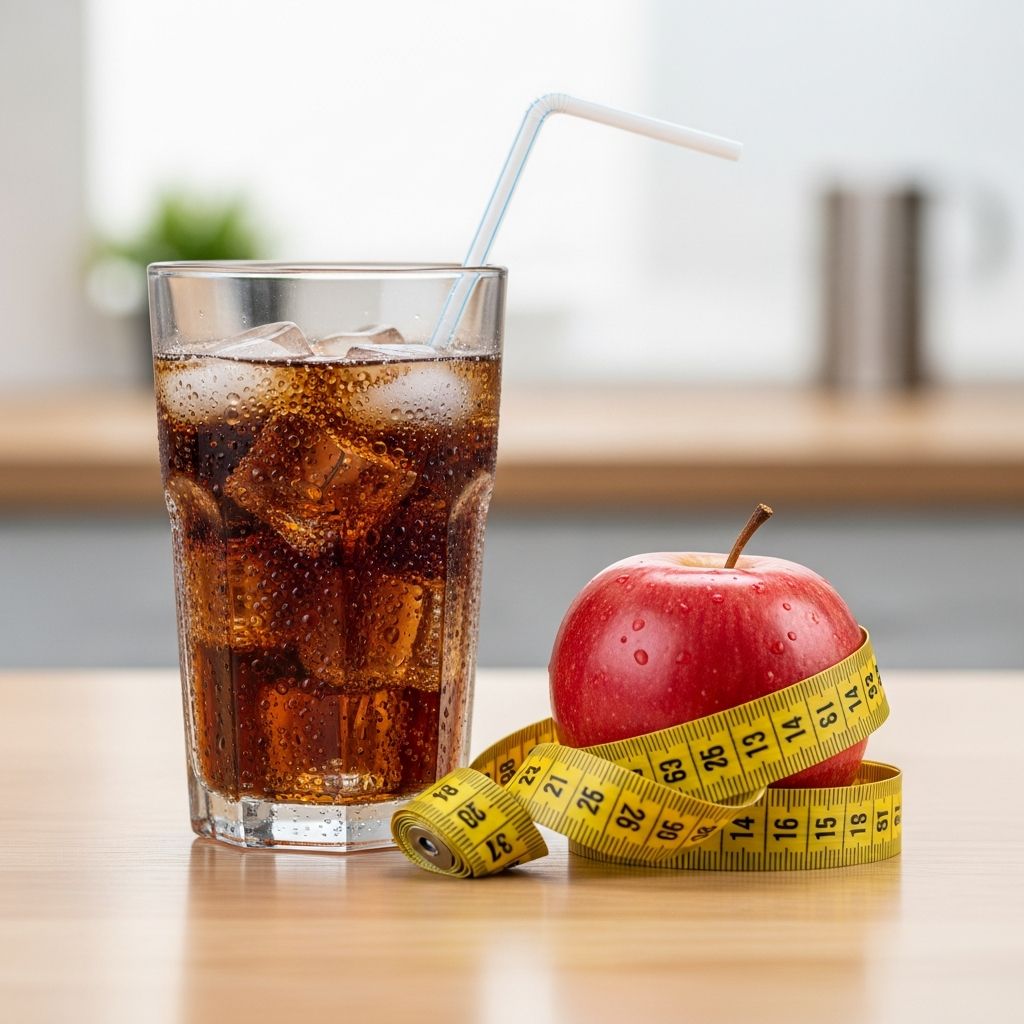
When it comes to weight loss, every calorie counts, and beverage choices play a significant role in your overall energy intake. Regular soda consumption is one of the most common dietary obstacles people face when trying to lose weight. Understanding how different types of soda affect your body and your weight loss goals is essential for making informed decisions about what you drink.
The Sugar Content Problem in Regular Soda
Regular soda is one of the most calorie-dense beverages you can consume, making it particularly problematic for weight loss. A 12-ounce can of regular soda contains approximately 10 teaspoons of added sugar and more than 150 calories, nearly all from sugar. To put this in perspective, the CDC notes that 200 calories equals about 12 teaspoons of added sugar, meaning a single soda can nearly reaches that threshold.
If you were to drink just one regular soda every day without reducing calories elsewhere, you could gain up to 5 pounds in a year. The problem extends beyond simple weight gain. Routinely consuming sugar-laden beverages increases your risk of type 2 diabetes, heart disease, and other chronic conditions. Current data shows that approximately 30% of Americans aged 2 and older consume excessive amounts of added sugar daily, with more than 15% of their daily calories coming from sugar sources.
How Soda Affects Overall Calorie Intake
One of the most insidious aspects of soda consumption is how it influences your total daily calorie intake. Unlike solid foods, where people tend to compensate by eating less later, sugary beverages don’t trigger the same satiety mechanisms in your body. The more ounces of sugary beverages a person consumes daily, the more calories they take in later in the day, without naturally reducing intake from other sources.
This occurs for several psychological and physiological reasons. People mentally categorize soda as a drink rather than as food or dessert, leading them to be more restrictive about food portions than beverage choices. Because soda doesn’t provide the same sense of fullness as eating solid food, your body doesn’t signal satiety, allowing excess calorie consumption to go unchecked.
Research Shows Strong Links Between Soda and Weight Gain
Decades of scientific research consistently demonstrates a clear connection between sugary soft drink consumption and weight gain. A comprehensive meta-analysis reviewed 85 prospective cohort studies and randomized controlled trials published between 2013 and 2022, involving more than 500,000 participants. This analysis confirmed a strong association between higher sugar-sweetened beverage intakes and weight gain in both children and adults, with the effect appearing stronger in women.
Specific studies reveal the magnitude of this problem:
- A 20-year study tracking 120,000 men and women found that people who increased sugary drink consumption by one 12-ounce serving daily gained more weight over time—an average of one extra pound every 4 years—compared to those who didn’t change their intake.
- Research in children found that for each additional 12-ounce soda consumed daily, the odds of having obesity increased by 60% during 1½ years of follow-up.
- A meta-analysis of 88 studies examining soft drinks and weight showed that increased soda consumption consistently correlated with increased caloric intake.
Related Stories



The Role of Beverage Consumption in Weight Loss Maintenance
Understanding how successful weight loss maintainers approach beverage consumption provides valuable insights. Research from the National Weight Control Registry found that regular consumption of low/no-calorie sweetened beverages is common among people who have successfully lost weight and kept it off. Among participants consuming these beverages at least weekly, 78% reported that these drinks helped them control or reduce their total food and calorie intake.
Weight loss maintainers consumed significantly fewer servings of sugar-sweetened soft drinks than normal weight controls (0.07 versus 0.16 servings per day). This finding underscores the importance of eliminating regular soda as a strategy for both achieving and maintaining weight loss. The top reasons people choose lower-calorie beverage alternatives include taste (54%), satisfying thirst (40%), habit (27%), and reducing calories (22%).
Understanding Diet Soda and Artificial Sweeteners
Many people turn to diet soda as a weight loss solution, assuming that zero calories means zero impact on weight. However, the evidence is more complicated. Diet soda replaces sugar with nonsugar sweeteners, and while it contains no calories, research suggests it doesn’t appear that sugar substitutes can help people lose or maintain weight over the long term.
Interestingly, obese participants in weight management studies were more likely to report regular consumption of low/no-calorie diet soda, though this may reflect using these beverages as a weight loss strategy rather than diet soda actually causing obesity. Higher-quality studies suggest either no effect of noncalorically sweetened beverages on weight change and obesity risk, or possibly a protective effect from replacing more calorie-dense alternatives.
The evidence on diet soda’s health effects remains unclear, and drinking it every day may have unknown long-term effects on your health and weight loss goals. Rather than relying on diet soda as a weight management tool, it’s better to address the underlying beverage habits.
Comparison of Common Beverages and Their Sugar Content
Understanding the sugar and calorie content of various drinks helps illustrate why beverage choices matter for weight loss:
| Beverage Type | Teaspoons of Sugar | Total Calories |
|---|---|---|
| Plain Water | 0 | 0 |
| Unsweetened Tea | 0 | 0 |
| Lemonade Powder (prepared) | 3 | 55 |
| Sports Drinks | 5 | 97 |
| Brewed Sweet Tea | 7 | 115 |
| Energy Drink | 9 | 162 |
| Regular Soda | 10 | 155 |
| Fruit Juice Drink | 10 | 186 |
| Regular Orange Soda | 13 | 195 |
Strategies for Cutting Soda and Supporting Weight Loss
Successful weight loss maintainers emphasize that changing beverage consumption patterns is crucial for both losing weight and maintaining weight loss long-term. A substantial percentage of successful weight loss maintainers—41.7% for weight loss and 39.6% for weight maintenance—considered beverage pattern changes to be very important.
The most effective strategies include:
- Increase water consumption: This was identified as the most important change by 48.2% and 52.1% of successful weight losers and maintainers respectively. Water provides hydration without any calories or added ingredients.
- Replace sugary drinks with alternatives: Unsweetened tea, black coffee, and flavored water (made by adding berries, cucumber, or citrus to plain water) provide variety without added sugars.
- Eliminate or drastically reduce regular soda: Cutting out two regular sodas daily would reduce total calories by 2,100 per week, significantly supporting weight loss goals.
- Choose beverages mindfully: Consider the role each drink plays in your daily calorie intake and whether it aligns with your weight loss objectives.
The Impact on Children’s Weight
The effects of soda consumption on weight extend significantly to children. Numerous studies have found that reducing sugary drink consumption can lead to better weight control in children who are initially overweight. An 18-month trial involving 641 primarily normal-weight children found that replacing sugar-containing beverages with noncaloric alternatives reduced weight gain and fat accumulation.
For parents concerned about their children’s weight management, reducing soda and sugary beverage intake represents one of the most straightforward and impactful interventions available.
Long-Term Health Implications Beyond Weight
While weight loss is a primary concern for many people, the health consequences of regular soda consumption extend far beyond the scale. Higher consumption of sugary beverages has been linked with an increased risk of premature death and numerous chronic diseases. This means that eliminating soda from your diet benefits not just your weight loss efforts, but your overall health and longevity.
The relationship between diet quality and soda consumption also matters. Even people with otherwise healthy diets who drink sugary beverages only slightly diminish the health risks associated with high soda intake, suggesting that regular soda consumption is a significant risk factor that shouldn’t be overlooked, regardless of other dietary choices.
Frequently Asked Questions
Q: Can I drink diet soda without affecting weight loss?
A: While diet soda contains zero calories, research suggests that sugar substitutes don’t effectively help with long-term weight loss or maintenance. It’s better to focus on water and unsweetened beverages as primary drink choices, as diet soda offers no nutritional benefit.
Q: How many calories does one soda add to my daily intake?
A: A 12-ounce regular soda contains approximately 150 calories, nearly all from sugar. Consuming one daily without cutting calories elsewhere could result in gaining 5 pounds per year.
Q: Is it better to quit soda cold turkey or gradually reduce consumption?
A: Either approach can work depending on your personal preferences. Gradual reduction allows your taste preferences to adjust, while quitting completely provides immediate calorie reduction. The most important factor is finding a sustainable approach that you can maintain long-term.
Q: What are the best beverages for weight loss?
A: Plain water is the best choice, followed by unsweetened tea and black coffee. You can add flavor to water with berries, cucumber slices, lemon, or lime without adding significant calories.
Q: Do the calories in soda from sugary drinks affect weight loss more than calories from food?
A: Yes, in a sense. Liquid calories from soda don’t trigger the same satiety response as solid food, so your body doesn’t naturally compensate by eating less later. This makes soda calories particularly problematic for total daily intake.
Q: How important is cutting soda compared to other weight loss strategies?
A: Very important. Research shows that successful weight loss maintainers consider changes in beverage consumption patterns—particularly reducing soda—to be crucial. Nearly 42% of successful weight losers identified this as very important for their results.
References
- Low/No Calorie Sweetened Beverage Consumption in the National Weight Control Registry — U.S. National Institutes of Health, National Center for Biotechnology Information. 2015. https://www.ncbi.nlm.nih.gov/pmc/articles/PMC4565596/
- Rethink Your Drink — Centers for Disease Control and Prevention. 2024. https://www.cdc.gov/healthy-weight-growth/rethink-your-drink/
- Sugary Drinks — Harvard T.H. Chan School of Public Health, The Nutrition Source. 2024. https://nutritionsource.hsph.harvard.edu/healthy-drinks/sugary-drinks/
- Diet Soda: How Much Is Too Much? — Mayo Clinic. 2024. https://www.mayoclinic.org/healthy-lifestyle/nutrition-and-healthy-eating/expert-answers/diet-soda/faq-20057855
Similar Articles








Read full bio of Sneha Tete