Eating Fruit For Weight Loss: 5 Best Fruits To Try
Debunking myths about fruit's role in weight loss: Learn why whole fruits are a smart choice for sustainable slimming.
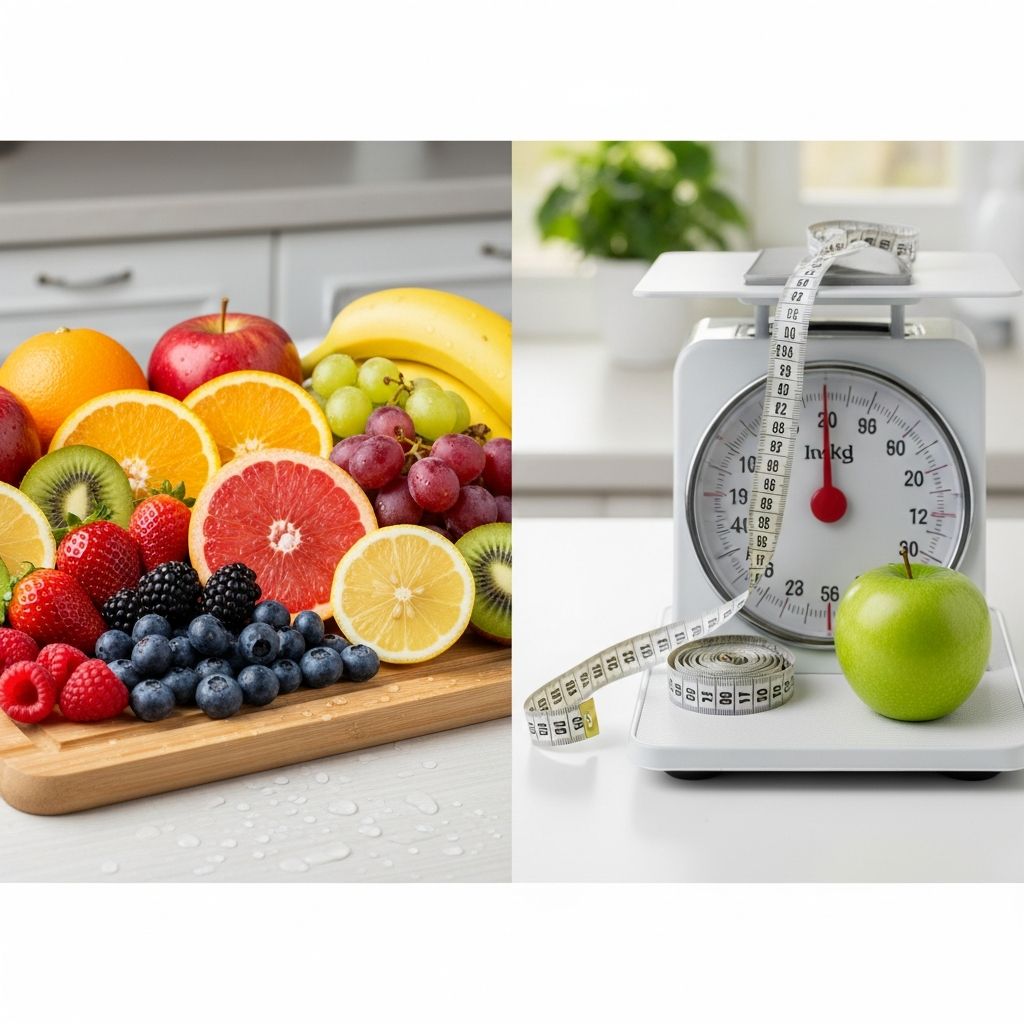
Whole fruits are not bad for weight loss; they are a nutrient-dense food that can support healthy weight management when consumed as part of a balanced diet. Their high fiber content, low calorie density, and water volume promote satiety without excess calories, making them an ally rather than an obstacle.
Why Fruit Gets a Bad Rap for Weight Loss
Fruit often faces criticism in weight loss discussions due to its natural sugars, particularly fructose, which some claim spikes blood sugar and promotes fat storage. Social media trends and low-carb diets amplify this by labeling fruit as ‘too sugary’ for dieters, leading to fears of derailing progress. However, this overlooks the whole fruit matrix: fiber slows sugar absorption, preventing sharp blood sugar spikes compared to processed sugars or juices.
Another misconception stems from fruit juices and smoothies, which remove fiber and concentrate sugars, turning a healthy food into a calorie bomb. Whole fruits, by contrast, require chewing and digestion, signaling fullness to the brain. Studies show that increased fruit intake correlates with better weight outcomes when replacing higher-calorie foods.
The Science Behind Fruit and Weight Management
Research consistently links higher fruit consumption to weight stability and loss. A critical review of prospective and intervention studies found possible evidence that vegetables and fruits prevent body weight gain due to their favorable volume-to-energy ratio, enhancing satiety without high calories. For instance, one portion increase (about 80g) was associated with less weight gain over time, especially when paired with fat reduction.
In the Women’s Health Initiative trial with over 48,000 women, those increasing fruit and vegetable intake by more than 2.2 portions daily experienced weight reduction, highlighting nonlinear benefits. Fruits’ pectin and other fibers bind water, forming a gel in the gut that delays gastric emptying and boosts hormones like GLP-1 for appetite control.
- Low energy density: Fruits like berries (32 kcal/100g) or apples (52 kcal/100g) fill you up with fewer calories than snacks like chips.
- Fiber power: An apple provides 4g fiber, half your daily soluble fiber needs for cholesterol and blood sugar control.
- Hydration boost: 85-95% water content aids hydration and volume eating.
Fruit vs. Fruit Juice: A Critical Distinction
Juice lacks fiber, delivering 20-30g sugar per glass rapidly, akin to soda. Blending smoothies can mimic this if over-portioned. Stick to whole fruits: eat an orange (62 kcal, 3g fiber) over juice (110 kcal, no fiber). Data shows juice drinkers have higher BMI than whole fruit consumers.
| Food Item | Calories (per 100g) | Fiber (g) | Sugar (g) |
|---|---|---|---|
| Apple (whole) | 52 | 2.4 | 10.4 |
| Apple Juice | 46 | 0.2 | 11.3 |
| Banana | 89 | 2.6 | 12.2 |
| Orange Juice | 45 | 0.2 | 8.4 |
This table illustrates why whole fruits win: more fiber, similar calories per volume, slower sugar release.
Best Fruits for Weight Loss
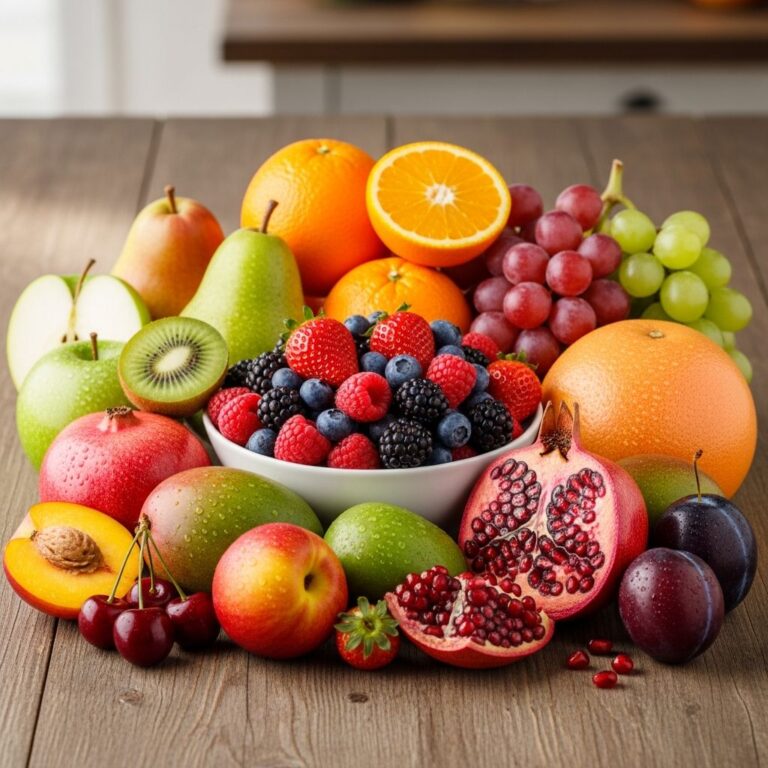
Opt for low-glycemic, high-fiber fruits:
- Berries (strawberries, blueberries): Lowest sugar (5g/100g), highest antioxidants; 1 cup under 60 kcal.
- Apples and pears: Pectin fiber curbs hunger; eat with skin.
- Citrus (grapefruit, oranges): Vitamin C aids fat burn; studies link grapefruit to 1-2 lb loss over 12 weeks.
- Stone fruits (peaches, plums): Seasonal, hydrating, low cal.
- Kiwi: Double fiber of banana, enzyme aids digestion.
Related Stories



Avoid dried fruits (concentrated sugars) and overripe bananas for better control.
How Much Fruit Should You Eat for Weight Loss?
Aim for 2-3 servings daily (1 serving = medium fruit or 1 cup chopped). USDA guidelines recommend 1.5-2.5 cups fruit/day, adjustable for calories. In a 1,800 kcal diet, this fits perfectly without excess. Pairing prevents overeating: fruit + protein sustains energy.
Sample Meal Plan Incorporating Fruit
Balanced day with fruit highlights:
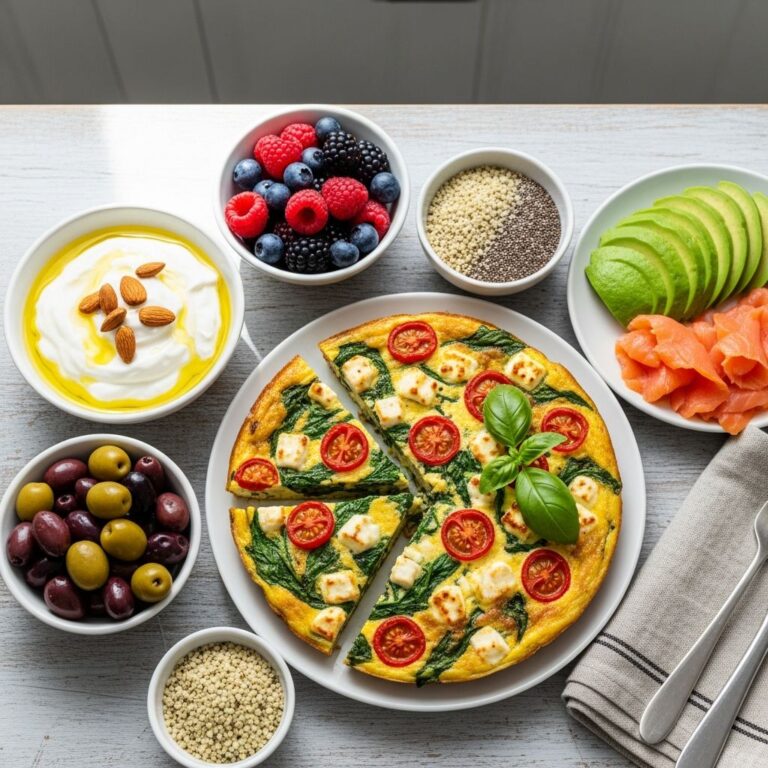
- Breakfast: Greek yogurt parfait with 1 cup berries, chia seeds (300 kcal).
- Snack: Apple slices with 1 tbsp almond butter (200 kcal).
- Lunch: Grilled chicken salad with orange segments, vinaigrette (450 kcal).
- Afternoon Snack: Pear with string cheese (180 kcal).
- Dinner: Salmon, quinoa, steamed broccoli with grapefruit (500 kcal).
Total: ~1,630 kcal, 3 fruit servings, high satiety.
Common Myths About Fruit and Weight Loss Debunked
- Myth: Fruit sugar makes you fat. Whole fruit fiber blunts insulin response; processed carbs are worse.
- Myth: Fruit causes bloating. Excess or sensitivity; rotate types, chew well.
- Myth: No fruit on keto/low-carb. Berries fit; long-term health trumps strict restriction.
- Myth: All calories equal. Fruit’s nutrients and fiber provide metabolic advantages.
Who Might Need to Limit Fruit?
Those with IBS (FODMAPs in apples/onions), diabetes (monitor portions), or post-bariatric surgery (fiber overload). Consult professionals; most thrive on fruit.
Frequently Asked Questions (FAQs)
Is fruit bad for weight loss?
No, whole fruits support weight loss via fiber and low calories. Limit juice.
Can I eat fruit on a low-carb diet?
Yes, choose berries (under 10g net carbs/cup). Track totals.
Does fruit make you gain weight?
Not when balanced; replaces calorie-dense foods for deficit.
Best time to eat fruit?
Anytime, ideally with meals for blood sugar stability.
How much fruit per day for weight loss?
2-3 servings; prioritize variety.
Is banana good for weight loss?
Moderate; higher sugar but potassium-rich. Pair with protein.
Fruit Diet Risks and Balanced Alternatives
Extreme fruit-only diets cause muscle loss, fatigue, and rebound weight due to low protein/fats. Instead, integrate fruit into balanced plates: 25% fruit/veg, 25% protein, 25% whole grains, 25% healthy fats. This sustains metabolism, per intervention studies.
Sustainable habits like mindful eating and activity amplify benefits. Fruit enhances diets, not hinders.
References
- Fruit Diet for Weight Loss: Benefits, Risks + Alternatives — Knownwell. 2024. https://www.knownwell.co/blog-posts/fruit-diet-for-weight-loss-benefits-risks-alternatives
- Critical review: vegetables and fruit in the prevention of chronic diseases — PMC (PubMed Central). 2012-09-13. https://pmc.ncbi.nlm.nih.gov/articles/PMC3419346/
- 7-Day Fruit-Only Diet Under the Microscope: What Really Happens — CTCD. 2024. https://www.ctcd.edu/sites/myctcd/detail/?p=7-day-fruit-only-diet-under-the-microscope-what-really-happens-who-it-fits-and-when-to-avoid-it-69775cd924099
Similar Articles








Read full bio of medha deb