Is Extra Virgin Olive Oil Extra Healthy?
Discover the science behind extra virgin olive oil's health benefits and nutritional value.
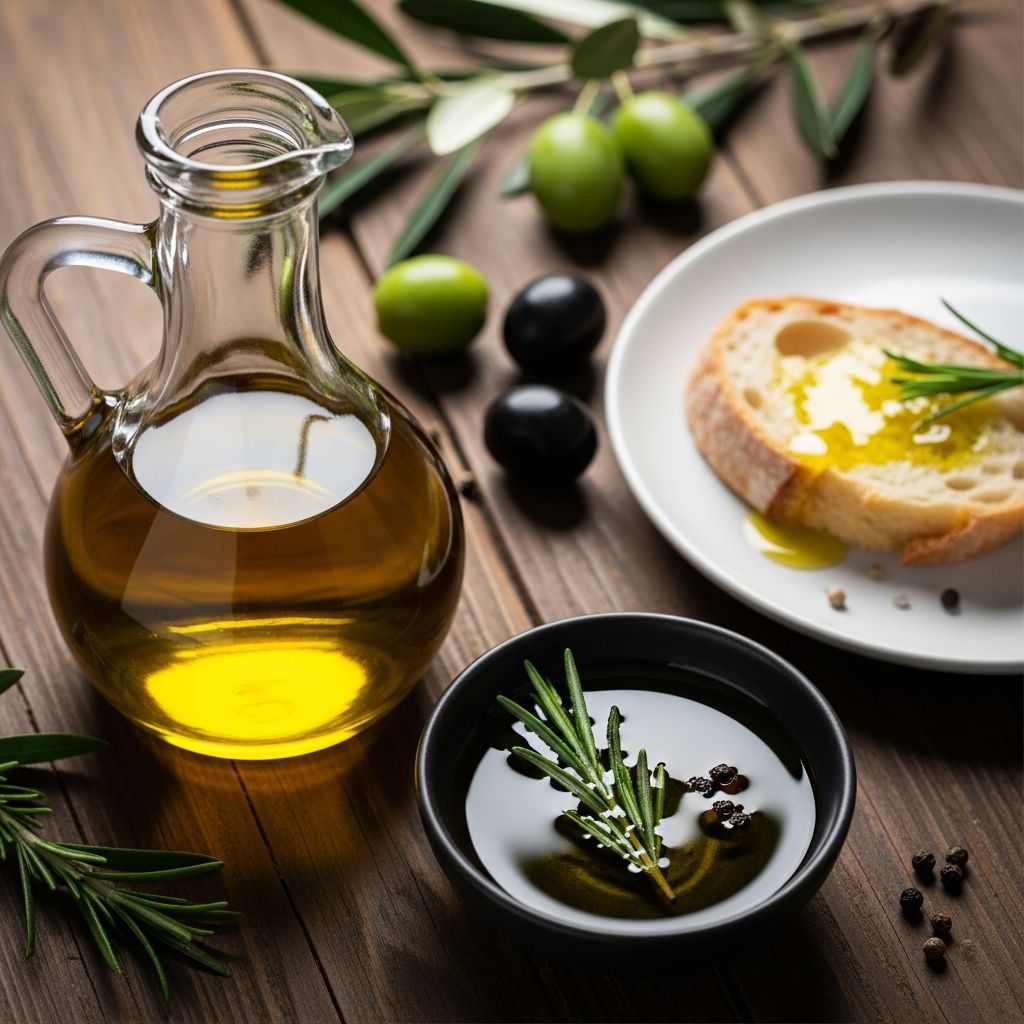
Olive oil has been a staple of Mediterranean cuisine for thousands of years, but in recent decades, extra virgin olive oil has emerged as a superfood in the wellness world. Health enthusiasts and nutritionists often tout its benefits, from heart protection to brain health. However, the question remains: is extra virgin olive oil genuinely superior to other oils, or is it simply marketing hype? The answer lies in understanding the science behind this ancient ingredient and examining the evidence that supports or refutes its purported health claims.
Understanding Extra Virgin Olive Oil
Extra virgin olive oil is produced through mechanical pressing of olives without the use of chemicals or high heat. This cold-pressing process preserves the oil’s natural compounds, including polyphenols, vitamin E, and monounsaturated fats. In contrast, refined olive oils are processed using heat and chemicals, which strip away many of these beneficial compounds. The distinction between extra virgin and refined olive oil is not merely about taste; it fundamentally differs in nutritional composition and bioactive content.
The color and flavor of extra virgin olive oil—often described as fruity, grassy, or peppery—are indicators of its polyphenol content. These antioxidant compounds are responsible for many of the health benefits attributed to extra virgin olive oil. Understanding this difference is crucial when evaluating the health claims surrounding this product.
Cardiovascular Health Benefits
One of the most well-established benefits of olive oil is its positive effect on heart health. Extra virgin olive oil contains high levels of monounsaturated fats, which are considered heart-healthy fats. These fats work to lower “bad” LDL cholesterol while increasing “good” HDL cholesterol, a combination that reduces cardiovascular disease risk.
Research has demonstrated that olive oil consumption is associated with significant reductions in cardiovascular mortality. A comprehensive Harvard study spanning 28 years found that those consuming the highest amounts of olive oil (more than 7 grams daily) had a 19% lower risk of cardiovascular disease mortality compared to those who rarely or never consumed olive oil. Additionally, olive oil has been shown to lower blood pressure and improve overall vascular function.
The Mediterranean diet, which prominently features olive oil, has consistently proven its cardiovascular benefits in numerous clinical trials. The PREDIMED trial, a landmark study, demonstrated that a Mediterranean diet supplemented with extra virgin olive oil reduced the risk of composite cardiovascular events by 31%.
Antioxidant and Anti-Inflammatory Properties
Extra virgin olive oil’s superiority over refined oils becomes particularly apparent when examining its antioxidant content. The polyphenols and vitamin E found in extra virgin olive oil are significantly more abundant than in refined varieties. These compounds combat oxidative stress, which is a fundamental driver of aging and chronic disease development.
Beyond simple antioxidant activity, extra virgin olive oil contains oleocanthal, a natural anti-inflammatory compound that functions similarly to ibuprofen in reducing inflammation throughout the body. Chronic inflammation is implicated in numerous diseases, from heart disease to cancer to neurodegenerative conditions. By reducing inflammatory markers, olive oil consumption may help prevent or slow the progression of these conditions.
Related Stories



The anti-inflammatory benefits of extra virgin olive oil extend beyond cardiovascular tissues to protect the brain and support overall immune function. This makes it particularly valuable for individuals seeking to reduce their chronic disease risk through dietary means.
Brain Health and Dementia Prevention
Recent research has highlighted olive oil’s remarkable benefits for cognitive health. A groundbreaking Harvard study published in JAMA in May 2024 found that consuming just half a tablespoon of olive oil daily could reduce the risk of death from dementia by 28%. This finding was particularly significant because it remained consistent regardless of overall diet quality and in individuals carrying genetic risk factors for dementia.
The mechanisms underlying olive oil’s neuroprotective effects are multifaceted. The polyphenols in extra virgin olive oil protect brain cells from oxidative damage, which accelerates cognitive decline and neurodegenerative disease. Oleocanthal reduces brain inflammation, a key factor in Alzheimer’s disease and other dementias. Additionally, olive oil supports healthy blood flow to the brain, ensuring that neurons receive adequate oxygen and nutrients for optimal function.
The Harvard study analyzed data from over 92,000 U.S. adults followed for 28 years, making it one of the most comprehensive examinations of olive oil’s effects on dementia-related mortality. Those consuming more than 7 grams of olive oil daily had a 29% lower risk of dying from neurodegenerative disease compared to non-consumers. These findings suggest that even modest daily olive oil consumption could have profound implications for long-term cognitive health.
Cancer Risk Reduction
Beyond cardiovascular and brain health, olive oil consumption has been associated with reduced cancer mortality. The same Harvard study that examined dementia risk found that individuals with the highest olive oil intake had a 17% lower risk of cancer mortality compared to those who rarely consumed olive oil. While more research is needed to understand the specific mechanisms, the anti-inflammatory and antioxidant properties of extra virgin olive oil likely play important roles.
The PREDIMED trial reported that a Mediterranean diet supplemented with extra virgin olive oil substantially reduced the risk of breast cancer, one of the most common cancers affecting women. These findings suggest that olive oil may offer protective benefits against multiple cancer types, though the effects appear stronger for certain cancers than others.
Other Health Benefits
The Harvard research identified additional mortality benefits from olive oil consumption beyond cardiovascular and cancer-related causes. Individuals with the highest olive oil intake had an 18% lower risk of dying from respiratory disease. While the mechanisms are not fully understood, researchers speculate that olive oil’s anti-inflammatory and antioxidant properties may protect respiratory tissues from damage and disease.
Furthermore, olive oil supports digestive health by promoting the growth of beneficial gut bacteria. A healthy gut microbiome is increasingly recognized as essential for overall health, influencing everything from immune function to mental health. The bioactive compounds in olive oil act as prebiotics, nourishing beneficial bacteria and enhancing the gut-brain connection.
Comparing Olive Oil Types
| Oil Type | Processing Method | Polyphenol Content | Vitamin E Content | Heat Stability | Best Use |
|---|---|---|---|---|---|
| Extra Virgin Olive Oil | Cold-pressed, mechanical only | High | High | Low (165-190°F) | Salads, drizzling, dipping |
| Virgin Olive Oil | Cold-pressed, minimal processing | Moderate | Moderate | Low-Moderate | Light cooking, finishing |
| Pure Olive Oil | Refined with some virgin oil blended | Low | Low | Moderate (210°F) | General cooking |
| Light Olive Oil | Highly refined | Very Low | Very Low | High (240°F) | High-heat cooking |
The Science Behind Superior Quality
The distinction between extra virgin and refined olive oils is not merely academic. Research confirms that extra virgin olive oils contain significantly higher levels of bioactive compounds compared to refined varieties. These compounds—particularly polyphenols and vitamin E—are responsible for the vast majority of olive oil’s health benefits. When olive oil undergoes refinement through heat and chemical processing, most of these compounds are destroyed or removed, leaving behind primarily fat with minimal bioactive content.
This is why choosing extra virgin olive oil is essential when seeking its health benefits. While refined olive oil may be suitable for high-heat cooking, it offers little nutritional advantage over other vegetable oils. For health optimization, consuming extra virgin olive oil unheated or at low temperatures preserves its beneficial compounds and delivers maximum nutritional value.
Practical Recommendations for Consumption
The Harvard research suggests that consuming more than 7 grams of olive oil daily—approximately half a tablespoon—provides measurable health benefits. For individuals seeking to maximize olive oil’s benefits, incorporating it into daily meals through salad dressings, drizzling on cooked vegetables, or using it for dipping bread offers an easy approach. The key is consistency and choosing extra virgin varieties to ensure adequate polyphenol intake.
Storage is also important for maintaining olive oil’s nutritional value. Extra virgin olive oil should be stored in dark glass bottles away from heat and light to prevent oxidation of its delicate compounds. Exposure to heat, light, and oxygen degrades polyphenols and can create harmful compounds, so proper storage ensures you receive maximum benefit from your olive oil consumption.
Considerations and Limitations
While the evidence supporting olive oil’s health benefits is compelling, it is important to recognize that observational studies, like those conducted by Harvard researchers, can establish association but not causation. Individuals who consume olive oil regularly may differ from non-consumers in other lifestyle factors that contribute to better health outcomes. However, the consistency of findings across multiple studies, populations, and decades of research suggests that olive oil’s benefits are genuine and not merely reflections of healthier overall lifestyles.
Additionally, olive oil is calorie-dense, containing approximately 120 calories per tablespoon. While these are primarily healthy fats, individuals watching caloric intake should factor this into their daily calculations. Olive oil should enhance a healthy diet rather than replace other nutritious foods.
Frequently Asked Questions
Q: Is extra virgin olive oil better than regular olive oil for health?
A: Yes, extra virgin olive oil contains significantly higher levels of polyphenols and vitamin E, the compounds responsible for most health benefits. Regular refined olive oil is processed with heat and chemicals that remove these bioactive compounds, making it nutritionally similar to other vegetable oils.
Q: How much olive oil should I consume daily for health benefits?
A: Research suggests that more than 7 grams (approximately half a tablespoon) daily provides measurable health benefits. Even modest daily consumption has been associated with reduced mortality from various causes.
Q: Can I cook with extra virgin olive oil?
A: Extra virgin olive oil has a lower smoke point (around 165-190°F) than refined oils, making it unsuitable for high-heat cooking. Use it for salad dressings, drizzling, and low-temperature cooking. For cooking at higher temperatures, refined olive oil or other oils are more appropriate.
Q: Does olive oil help with weight management?
A: Olive oil’s monounsaturated fats support satiety and may help with portion control due to their satiating properties. However, it remains calorie-dense, so moderation is important for weight management.
Q: What health conditions can olive oil benefit?
A: Research shows olive oil benefits cardiovascular health, brain function and dementia prevention, cancer risk reduction, respiratory health, and overall longevity. Its anti-inflammatory and antioxidant properties make it valuable for multiple chronic conditions.
Q: How should I store extra virgin olive oil to maintain its benefits?
A: Store extra virgin olive oil in dark glass bottles away from heat, light, and air. Proper storage prevents oxidation of polyphenols and maintains the oil’s nutritional value over time.
Conclusion
The evidence overwhelmingly supports that extra virgin olive oil is indeed “extra” healthy compared to refined varieties and other oils. The polyphenols, vitamin E, and monounsaturated fats it contains provide measurable benefits for cardiovascular health, cognitive function, cancer prevention, and overall longevity. While no single food is a miracle cure, decades of research from prestigious institutions like Harvard University demonstrate that regular extra virgin olive oil consumption is one of the most evidence-supported dietary interventions for extending healthspan and reducing chronic disease risk.
The distinction between extra virgin and refined oils is crucial; the health benefits are concentrated in the bioactive compounds found only in minimally processed extra virgin varieties. By choosing extra virgin olive oil and consuming it regularly—particularly in raw applications like salad dressings—individuals can harness the remarkable nutritional power of this ancient food. When incorporated into a balanced, Mediterranean-style diet, extra virgin olive oil represents a simple, delicious, and evidence-based approach to improving long-term health outcomes.
References
- According To Harvard Study, This Superfood Can Reduce Your Risk of Dementia — NDTV Health. 2024. https://www.ndtv.com/health/according-to-harvard-study-this-superfood-can-reduce-your-risk-of-dementia-7604216
- Harvard Study: Olive Oil Intake Tied to Reduced Mortality — Kyoord. 2024. https://kyoord.com/blogs/learn/olive-oil-intake-tied-to-reduced-mortality
- Consumption of Olive Oil and Risk of Total and Cause-specific Mortality — National Center for Biotechnology Information (NCBI). 2023. https://pmc.ncbi.nlm.nih.gov/articles/PMC8851878/
- New Study Shows Olive Oil Could Reduce Risk of Death from Dementia — Olive Wellness Institute. 2024. https://olivewellnessinstitute.org/article/new-study-on-evoo-and-dementia/
- The Benefits of Adding a Drizzle of Olive Oil to Your Diet — American Heart Association. 2022-09-28. https://www.heart.org/en/news/2022/09/28/the-benefits-of-adding-a-drizzle-of-olive-oil-to-your-diet
Similar Articles








Read full bio of Sneha Tete