Is Fiber Good For Weight Loss? What You Need To Know
Discover how dietary fiber promotes satiety, aids digestion, and supports sustainable weight loss through science-backed mechanisms.
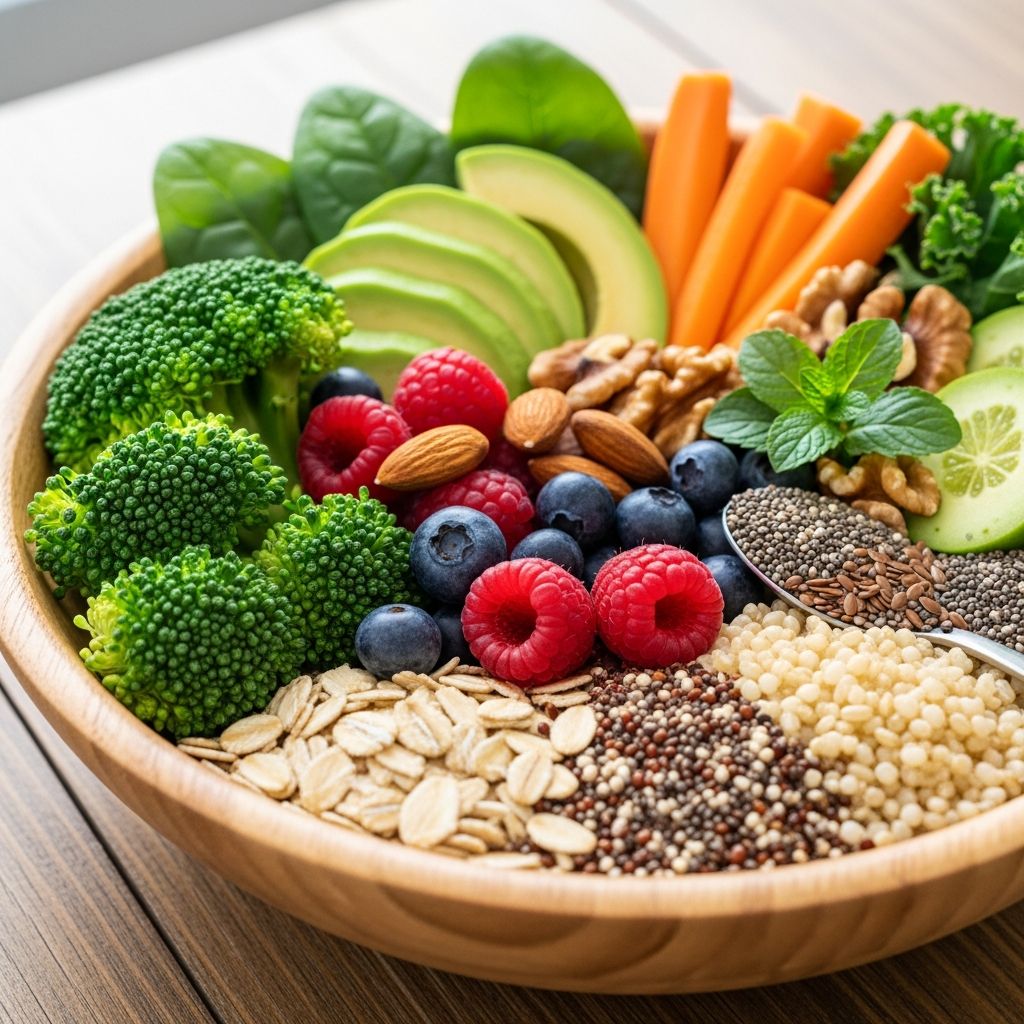
Dietary fiber plays a crucial role in supporting weight loss by promoting feelings of fullness, regulating digestion, and improving metabolic health. Research shows that increasing fiber intake, particularly from whole foods like fruits, vegetables, and whole grains, is associated with greater weight reduction and long-term success in weight management programs.
What Is Fiber?
Fiber is a type of carbohydrate found in plant foods that the human body cannot fully digest. Unlike other carbs, it passes through the digestive system largely intact, providing bulk to stool and supporting gut health. There are two main types: soluble fiber, which dissolves in water to form a gel-like substance, and insoluble fiber, which adds bulk and speeds transit time through the intestines.
Soluble fiber, including viscous types like beta-glucans, pectins, and psyllium, is particularly effective for weight loss because it slows digestion and nutrient absorption. Insoluble fiber, found in wheat bran and vegetable skins, aids regularity and prevents constipation, indirectly supporting weight control by maintaining healthy bowel habits.
How Does Fiber Help with Weight Loss?
Fiber aids weight loss through multiple mechanisms:
- Promotes Satiety: Viscous soluble fiber forms a gel in the gut, slowing stomach emptying and prolonging fullness, which reduces overall calorie intake.
- Reduces Calorie Absorption: By binding to fats and sugars, fiber lowers their absorption, helping maintain a calorie deficit.
- Stabilizes Blood Sugar: Fiber slows carbohydrate digestion, preventing spikes and crashes that trigger hunger.
- Supports Gut Microbiome: Fermentable fibers feed beneficial bacteria, producing short-chain fatty acids that may regulate appetite hormones.
Studies confirm these effects. In a workplace intervention, participants increasing fiber-rich foods (fruits, vegetables, beans) lost an average of 3.28 kg, with multilevel modeling showing higher total fiber composites directly correlated to greater weight loss. Another program emphasized 20g fiber and 80g protein daily alongside 1,500 calories, resulting in 12.9% body weight loss at one year for successful dieters.
Types of Fiber for Weight Loss
| Type | Sources | Benefits for Weight Loss |
|---|---|---|
| Soluble (Viscous) | Oats, barley, apples, beans, psyllium | Forms gel to enhance fullness, targets belly fat reduction |
| Soluble (Non-Viscous) | Legumes, some fruits | Lowers cholesterol, stabilizes energy |
| Insoluble | Whole grains, nuts, vegetables | Improves digestion, reduces overeating |
Viscous soluble fiber stands out, as it specifically reduces appetite and may preferentially reduce visceral fat linked to metabolic issues.
How Much Fiber Do You Need for Weight Loss?
The recommended daily intake is 25g for women and 38g for men, but weight loss studies suggest aiming higher within calorie limits. In the FPL program, weight losers consumed 9.07 total fiber servings (fruits: 2.45, vegetables: 2.99, beans: 1.03), significantly more than maintainers or gainers (P < 0.001). Start gradually to avoid bloating: increase by 5g weekly while drinking plenty of water.
High-Fiber Foods for Weight Loss
Incorporate these nutrient-dense, low-calorie options:
- Vegetables: Broccoli (5g/cup), Brussels sprouts (4g/cup), carrots (3g/cup) – highest contributor in studies at 2.99 servings/day for losers.
- Fruits: Raspberries (8g/cup), pears (6g/medium), apples (4g/medium).
- Whole Grains: Oats (4g/½ cup), quinoa (5g/cup cooked).
- Legumes: Lentils (8g/½ cup), black beans (7.5g/½ cup).
- Nuts/Seeds: Chia seeds (10g/oz), almonds (3.5g/oz).
Related Stories



Focus on whole foods over supplements for added vitamins, minerals, and synergistic effects.
Fiber Supplements: Do They Help Weight Loss?
Supplements like psyllium or glucomannan can mimic viscous fiber benefits but are less effective than food sources due to lacking nutrients. A meta-analysis notes supplements aid modest loss (0.5-1kg), but whole foods yield better adherence and health outcomes. Use cautiously with water to prevent choking risks.
Potential Side Effects of High-Fiber Diets
Increasing fiber suddenly may cause gas, bloating, or cramps. Mitigate by:
- Gradual increases.
- 8-10 cups water daily.
- Chewing thoroughly.
Long-term, high fiber links to better health, quality of life, and chronic disease reduction.
Fiber and Weight Loss: The Evidence
Robust data supports fiber:
- NIH study: Fiber program led to significant weight loss via fruits/veggies (P<0.001).
- UIUC research: High protein/fiber + calorie limit = 12.9% loss, 78% fat mass.
- Review: Viscous fiber reduces appetite, aids belly fat loss.
Combining fiber with protein enhances results, preserving lean mass.
Practical Tips to Increase Fiber Intake
- Start breakfast with oatmeal or smoothie with berries/chia.
- Swap white rice for quinoa or barley.
- Add beans to salads/soups.
- Snack on veggies with hummus.
- Aim for half plate non-starchy veggies.
Track via apps; personalize as in iDip for sustainability.
Common Myths About Fiber and Weight Loss
- Myth: All fiber is equal. Fact: Viscous types are superior.
- Myth: More fiber = instant loss. Fact: Pairs with calorie control.
- Myth: Supplements replace foods. Fact: Whole foods better.
Frequently Asked Questions
What is the best type of fiber for weight loss?
Viscous soluble fiber like beta-glucans in oats and psyllium, as it forms a gut gel for prolonged satiety.
How much weight can you lose with more fiber?
Studies show 3-13% body weight over months with increased fiber foods.
Can fiber cause weight gain?
No, if calories are controlled; fiber’s bulk prevents overeating.
Should I take fiber supplements?
Prefer foods; supplements aid modestly but lack full benefits.
Does fiber help lose belly fat?
Yes, viscous fiber targets visceral fat.
In summary, fiber is a powerful, evidence-based tool for weight loss when from whole foods, combined with calorie awareness. Sustainable changes yield lasting results.
References
- Increased dietary fiber is associated with weight loss among participants in a workplace lifestyle medicine program — NIH/PMC. 2023-04-28. https://pmc.ncbi.nlm.nih.gov/articles/PMC10150096/
- Weight-loss Success Depends on Eating More Protein, Fiber while Limiting Calories, Study Finds — University of Illinois College of Medicine. 2024-08-20. https://medicine.illinois.edu/news/weight-loss-success-depends-on-eating-more-protein-fiber-while-limiting-calories-study-finds
- Fiber Can Help You Lose Weight — but Only a Specific Type — Healthline (reviewing peer-reviewed studies). 2023. https://www.healthline.com/nutrition/fiber-can-help-you-lose-weight
Similar Articles








Read full bio of medha deb