Is Guacamole Healthy? 6 Science-Backed Benefits & Tips
Uncover the truth about guacamole's nutrition profile, health benefits, potential downsides and smart ways to enjoy this creamy dip.
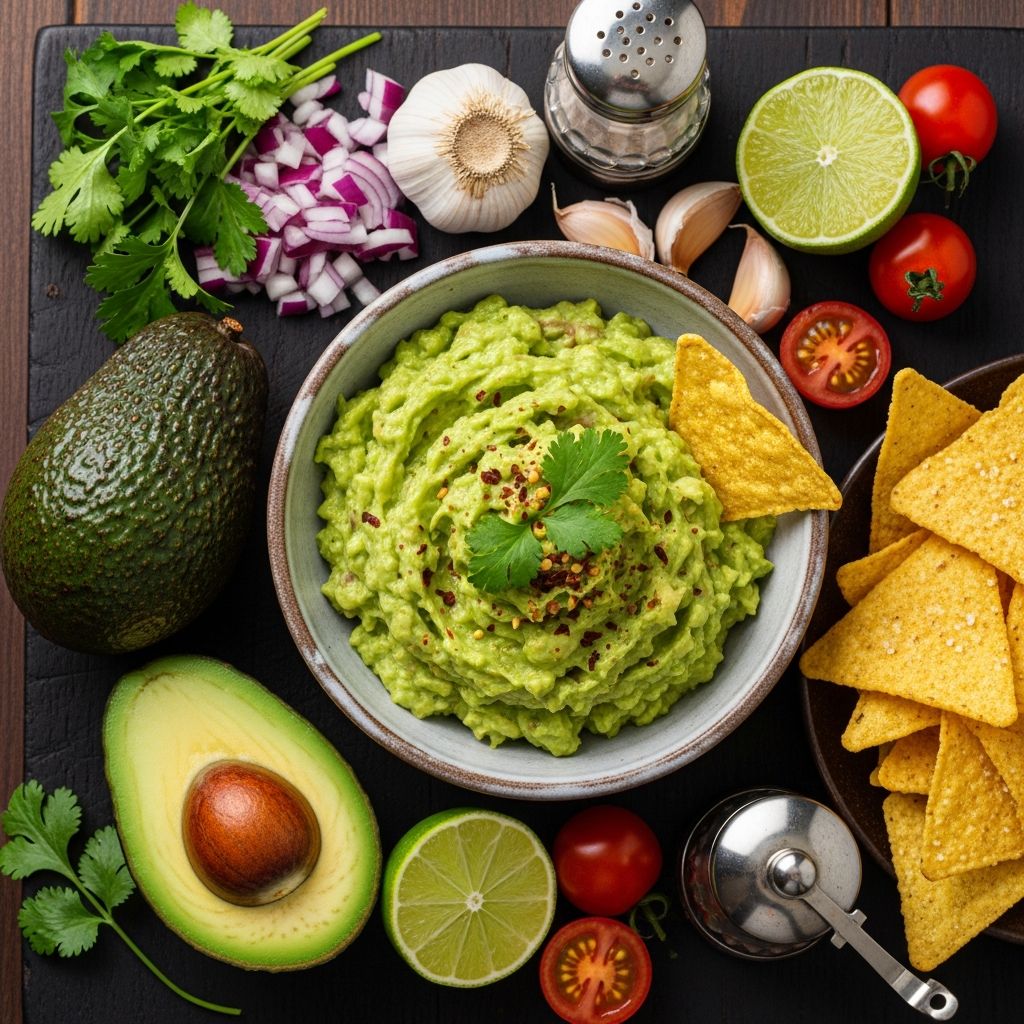
Guacamole—a creamy blend of ripe avocados, tomatoes, onions, lime juice, cilantro and spices—has earned its place as a beloved dip and spread. But is guacamole actually healthy? The answer is a qualified yes. Traditional guacamole made with whole food ingredients delivers heart-healthy monounsaturated fats, soluble fiber, vitamins, minerals and antioxidants that support cardiovascular health, gut function, blood sugar stability and more.
However, store-bought versions and restaurant servings often pack excess sodium, unhealthy additives or excessive calories that diminish these benefits. This article breaks down guacamole’s complete nutrition profile, science-backed health advantages, common pitfalls and practical tips for maximizing its nutritional value.
Guacamole Nutrition Facts
The nutritional quality of guacamole hinges on its ingredients and preparation. A traditional ¼ cup serving (about 60g) made with avocados, tomatoes, onions, lime juice, cilantro, garlic and minimal salt offers an impressive nutrient profile.
| Nutrient | Amount per ¼ cup | % Daily Value* |
|---|---|---|
| Calories | ~90-100 | 5% |
| Total Fat | 8g | 10% |
| Saturated Fat | 1g | 5% |
| Monounsaturated Fat | 5g | – |
| Carbohydrates | 5g | 2% |
| Dietary Fiber | 3.7g | 13% |
| Protein | 1g | 2% |
| Sodium | 190mg | 8% |
| Potassium | 272mg | 6% |
| Folate | 44mcg | 11% |
| Vitamin C | 6mg | 7% |
| Vitamin K | 12mcg | 10% |
*Based on 2,000 calorie diet. Values from USDA data and traditional recipes.
Avocados provide the bulk of guacamole’s calories and fats—primarily oleic acid-rich monounsaturated fats identical to those in olive oil. These fats promote heart health and satiety. The fiber content (13% DV) comes mostly from avocado pulp, which is unusually high for such a low-carb food. Tomatoes, onions and cilantro contribute vitamins C, K, folate and antioxidants like lycopene.
Store-bought guacamole varies widely. Some brands add fillers, preservatives or excessive salt. A comparison of three popular products shows sodium ranging from 120-150mg per 2-tablespoon serving, with fiber content often lower than homemade versions.
Health Benefits of Guacamole
Supports Heart Health and Lowers Cholesterol
Guacamole’s combination of monounsaturated fats, soluble fiber, potassium, magnesium and antioxidants makes it particularly heart-protective. A 2023 meta-analysis of seven studies published in Cureus found that avocado consumption significantly lowers total cholesterol and LDL (‘bad’) cholesterol while raising HDL (‘good’) cholesterol compared to low-fat or habitual diets.
Researchers attribute these effects to avocados’ unique nutrient matrix: fiber binds cholesterol in the gut, potassium relaxes blood vessels, and polyphenols prevent arterial plaque buildup. A 2021 study in Nutrients highlighted synergistic effects between avocado’s lutein and tomato’s lycopene—both abundant in guacamole—enhancing cardiovascular protection.
The NIH confirms avocados as rich sources of heart-healthy nutrients, with consumers averaging higher intakes of fiber, vitamins K and E, potassium and magnesium.
Promotes Stable Blood Sugar Levels
With a glycemic load near zero, guacamole prevents blood sugar spikes. Most avocado carbohydrates exist as insoluble and soluble fiber rather than digestible starches or sugars. The Hispanic Community Health Study/Study of Latinos found that consuming at least ½ cup of avocado daily improved insulin sensitivity and blood sugar control, particularly among those with type 2 diabetes.
Fiber slows carbohydrate absorption while monounsaturated fats enhance insulin signaling. This makes guacamole an ideal accompaniment to higher-glycemic foods like corn tortillas, rice or bread.
Related Stories



Enhances Gut Microbiome Health
A 2020 randomized controlled trial in the Journal of Nutrition demonstrated that daily consumption of ½-1 Hass avocado (140-175g) for 12 weeks significantly improved gut microbiome composition. Participants showed increased fiber-fermenting bacteria, elevated short-chain fatty acid production and reduced inflammatory bile acids compared to controls.
Avocado fiber (both soluble and insoluble) serves as prebiotic fuel for beneficial gut bacteria. Antioxidants protect intestinal cells from oxidative damage, per 2021 research in Antioxidants. Tomatoes and onions in guacamole add additional prebiotic fibers like inulin.
Supports Healthy Pregnancy and Folate Needs
One serving of guacamole provides 11% of the daily folate requirement—a B-vitamin essential for DNA synthesis, cell division and preventing neural tube defects in pregnancy. The NIH recommends 600mcg daily for pregnant women; guacamole offers a delicious whole-food source alongside prenatal supplements.
Folate benefits extend beyond pregnancy, supporting red blood cell formation and homocysteine metabolism for heart and brain health.
May Aid Weight Management and Satiety
Despite its calorie density, guacamole promotes fullness. Avocados’ high fiber and fat content triggers satiety hormones like GLP-1 and PYY. Studies link avocado consumption to better weight control, likely due to reduced overall calorie intake from increased meal satisfaction.
Provides Powerful Antioxidants
Guacamole brims with polyphenols, tocopherols, carotenoids (lutein, zeaxanthin), vitamin E and glutathione. A 2024 study in Applied Sciences confirmed these compounds reduce cellular oxidative damage and inflammation. The dark green flesh near avocado pits concentrates eye-protective lutein and zeaxanthin.
Potential Downsides of Guacamole
- High Calorie Density: 100 calories per ¼ cup can add up quickly, especially with chips. Portion control matters for weight management.
- Sodium in Commercial Products: Restaurant and store-bought guacamole often exceeds 300mg sodium per serving.
- Food Safety: Avocados can harbor bacteria if not handled properly. The FDA reported avocado-related Salmonella outbreaks.
- Latex-Fruit Syndrome: Rare allergy affecting those with latex sensitivity.
- Cost: Avocados remain relatively expensive compared to other vegetables.
How to Make Healthier Guacamole
Control ingredients and portions for maximum nutrition:
- Use ripe Hass avocados (most nutrient-dense variety).
- Add extra tomatoes, onions, garlic, jalapeños and cilantro for volume and phytonutrients without calories.
- Choose fresh lime juice over bottled (higher vitamin C).
- Limit salt to ⅛ tsp per avocado or use salt-free spices.
- Mash rather than blend to preserve fiber texture.
Storage Tip: Press plastic wrap directly on surface and squeeze lime juice over top to prevent browning from oxidation.
Healthy Ways to Enjoy Guacamole
- Replace high-fat spreads (mayo, cheese) on sandwiches and wraps.
- Top salads, grilled fish, chicken or eggs.
- Stuff into bell peppers, celery or zucchini boats instead of chips.
- Mix into grain bowls with black beans, corn and quinoa.
- Use as base for avocado toast with minimal toppings.
Guacamole Recipe Variations
Classic Guacamole (Serves 4)
- 2 ripe avocados
- 1 Roma tomato, diced
- ¼ cup finely chopped red onion
- 1 jalapeño, minced
- 2 tbsp fresh lime juice
- 2 tbsp chopped cilantro
- ¼ tsp salt (optional)
- 1 garlic clove, minced
Mash avocados with fork. Stir in remaining ingredients. Serve immediately.
Roasted Tomatillo Guacamole
Roast tomatillos, garlic and jalapeños for smoky flavor and enhanced lycopene availability.
Frequently Asked Questions
Can you eat guacamole every day?
Yes, moderate amounts (2-4 tbsp daily) fit most healthy diets. Pair with vegetables rather than chips to maximize nutrition.
Is store-bought guacamole healthy?
Some brands are nutritious, but many contain excess sodium and fillers. Check labels and prefer those with simple ingredient lists.
Does guacamole make you gain weight?
Not when portion-controlled. Its fiber and fats promote satiety, potentially reducing overall calorie intake.
Is guacamole good for diabetics?
Absolutely. Low glycemic index, high fiber and healthy fats improve blood sugar control and insulin sensitivity.
How many calories in guacamole?
¼ cup homemade guacamole has ~90-100 calories, primarily from healthy monounsaturated fats.
References
- Is Guacamole Healthy? A nutrition breakdown of guacamole — Your Latina Nutritionist. 2024. https://yourlatinanutritionist.com/blog/is-guacamole-healthy
- Is Guacamole Healthy? Nutrition Facts, Recipes, & More — Nourish. 2024. https://www.usenourish.com/blog/is-guacamole-healthy
- Hass Avocado Composition and Potential Health Effects — National Center for Biotechnology Information (PMC). 2013-06-04. https://pmc.ncbi.nlm.nih.gov/articles/PMC3664913/
- 7 Potential Health Benefits of Avocado — Healthline. 2024. https://www.healthline.com/nutrition/avocado-nutrition
- How Good Are Avocados for You? — NutritionFacts.org. 2024. https://nutritionfacts.org/blog/how-good-are-avocados-for-you/
Similar Articles








Read full bio of medha deb