Is Holding In A Sneeze Bad? 6 Serious Risks Experts Warn
Discover the surprising risks of stifling a sneeze and why experts urge you to let it out safely.

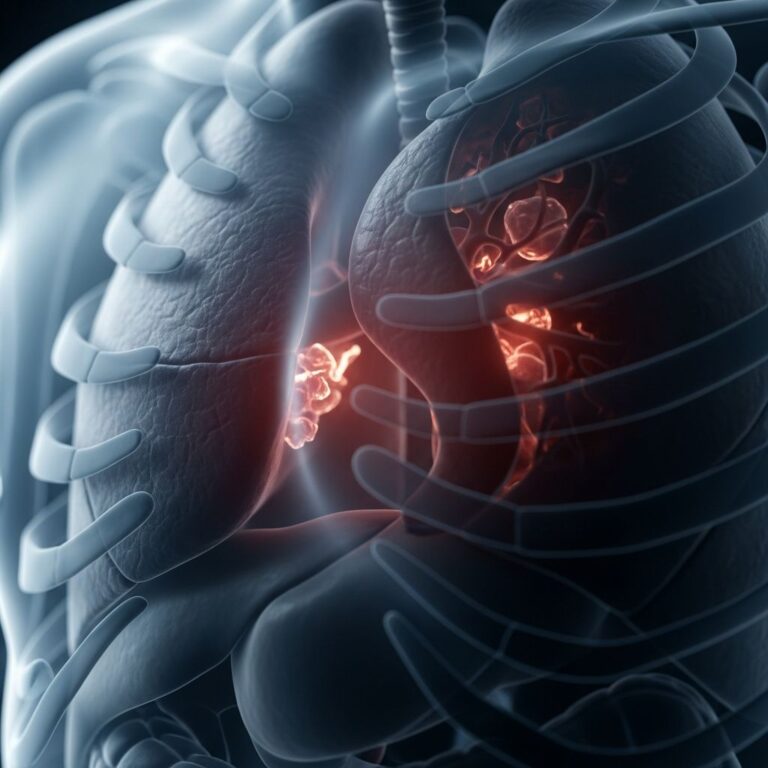
Holding in a sneeze might seem polite in quiet settings, but it can lead to serious health risks due to the immense pressure generated in your respiratory system. Medical experts warn that stifling a sneeze increases pressure up to 24 times normal levels, potentially causing eardrum ruptures, throat injuries, and more.
What Happens When You Sneeze?
A sneeze is your body’s natural reflex to expel irritants from the nasal passages at speeds up to 100 miles per hour, propelling mucus droplets with tremendous force. This process involves building pressure in the sinuses, nasal cavity, throat, and lungs—reaching about 1 psi in the windpipe during a normal sneeze. Sneezing clears allergens, dust, viruses, and bacteria, helping maintain nasal health and prevent infections.
The reflex starts with irritation in the nasal mucus membranes, triggering a rapid inhalation followed by a forceful exhale. While embarrassing in social situations, this mechanism is evolutionarily designed to protect your airways. Suppressing it disrupts this protective function and redirects pressure harmfully.
The Dangers of Holding in a Sneeze
Stifling a sneeze by pinching your nose or closing your mouth traps explosive energy, leading to documented injuries. Here’s a breakdown of the most common risks:
- Ruptured Eardrum: Pressure buildup can force air into the Eustachian tubes, tearing the eardrum—a painful condition requiring medical attention.
- Middle Ear Infection: Redirected air may carry bacteria from the nose to the middle ear, causing otitis media, which often needs antibiotics.
- Damaged Blood Vessels: Vessels in the eyes, nose, or eardrums can burst, leading to subconjunctival hemorrhage (red eyes) or nosebleeds.
- Throat and Diaphragm Injury: Rare cases include laryngeal fracture or diaphragm tears from extreme pressure.
- Brain Aneurysm Rupture: In vulnerable individuals, pressure spikes could trigger a life-threatening aneurysm burst.
- Other Rare Complications: Facial nerve damage, cervical pain, or pneumothorax (collapsed lung).
Case studies highlight these dangers: one man ruptured his throat after holding in a sneeze, while another experienced acute pain from laryngeal fracture. Though rare, these underscore why experts like Dr. Bruce Stewart advise against suppression.
Can Holding in a Sneeze Kill You?
Direct deaths from stifled sneezes are unreported, but severe complications like ruptured brain aneurysms carry a 40% fatality rate. Collapsed lungs or throat ruptures can also be lethal without prompt treatment. Preexisting conditions amplify risks, making it unwise to test fate.
Myths persist—your eyes won’t pop out, and your heart won’t stop—but real physiology confirms the peril. A 2016 study measured windpipe pressure at 1 psi during sneezing, skyrocketing to 5-24 psi when held, exceeding safe limits.
Related Stories



Benefits of Sneezing
Beyond eviction of irritants, sneezing signals illness to others and may reset nasal homeostasis. It propels particles up to 100,000 viruses/bacteria per sneeze, but also clears them effectively from your body. During flu season or allergies, embracing sneezes (safely) supports respiratory health.
How to Safely Cover a Sneeze
Sneezes spread germs 10-12 feet, so cover without blocking pressure release. The CDC recommends these habits:
- Cough or sneeze into a tissue, then dispose immediately.
- Use the crook of your elbow if no tissue.
- Avoid hands to prevent surface contamination.
- Wash hands or use sanitizer afterward.
Loosely cover mouth and nose to allow air escape, reducing transmission without injury risk. Masks provide double protection during outbreaks like COVID-19.
| Method | Pros | Cons |
|---|---|---|
| Tissue | Catches most droplets; disposable | May not have one handy |
| Elbow | Always available; absorbs particles | Less precise coverage |
| Mask | Blocks spread effectively | Needs proper fit |
| Hand (Avoid) | Quick | Spreads germs to everything touched |
Ways to Prevent Sneezes Without Holding Them In
Address triggers proactively:
- Treat Allergies: Use antihistamines or nasal sprays.
- Avoid Irritants: Stay indoors during high pollen; use air purifiers.
- Blow Your Nose: Gently clear passages.
- Distract the Reflex: Say “pickles,” tickle palate with tongue, or rub nose.
- Other Tips: Avoid bright lights, overeating; try homeopathic sprays.
For post-surgery patients, open mouth wide to reduce pressure.
Treatment for Sneeze-Related Injuries
Minor issues like red eyes resolve naturally. Seek care for:
- Severe ear pain/bleeding: ENT evaluation for rupture.
- Throat pain/swelling: Possible fracture imaging.
- Breathing issues: Emergency for pneumothorax.
- Infections: Antibiotics as prescribed.
Most heal with rest, but prompt intervention prevents complications.
Frequently Asked Questions (FAQs)
Is it worse to hold in a sneeze with a stuffy nose?
Yes, congestion heightens pressure risks; blow gently or let it out safely.
Can holding a sneeze cause a nosebleed?
Absolutely—burst nasal vessels from trapped pressure.
Should kids hold in sneezes?
No; teach safe covering to avoid injury and spread germs.
Does sneezing strength vary by person?
Yes, influenced by lung capacity and irritant level; holding amplifies universally.
How far do sneeze droplets travel?
Up to 100 mph, 10-12 feet; smaller particles linger longer.
Final Thoughts on Safe Sneezing Habits
Next time a sneeze builds, prioritize health over etiquette—cover loosely and let pressure release. Preventive measures reduce frequency, but suppression is never safe. Consult providers for chronic sneezing or injuries.
References
- Don’t Stifle Your Sneeze — Banner Health. 2023-10-12. https://www.bannerhealth.com/healthcareblog/teach-me/dont-stifle-your-sneeze
- Is Holding in a Sneeze Dangerous? Potential Side Effects — Healthline (Medically reviewed by Shilpa Amin, M.D.). 2019-08-29. https://www.healthline.com/health/holding-in-a-sneeze
- You Asked: Is It Bad To Hold In A Sneeze? — Time Magazine. 2015-06-23. https://time.com/3975363/sneezing/
- Healthy Habits: Coughing and Sneezing — Centers for Disease Control and Prevention (CDC). 2023-01-05. https://www.cdc.gov/hygiene/about/coughing-and-sneezing.html
Similar Articles








Read full bio of medha deb