Homemade Sunscreen Safety: Expert Guide For Real Protection
Experts warn against DIY sunscreens: they lack proven UV protection and may increase skin cancer risk.
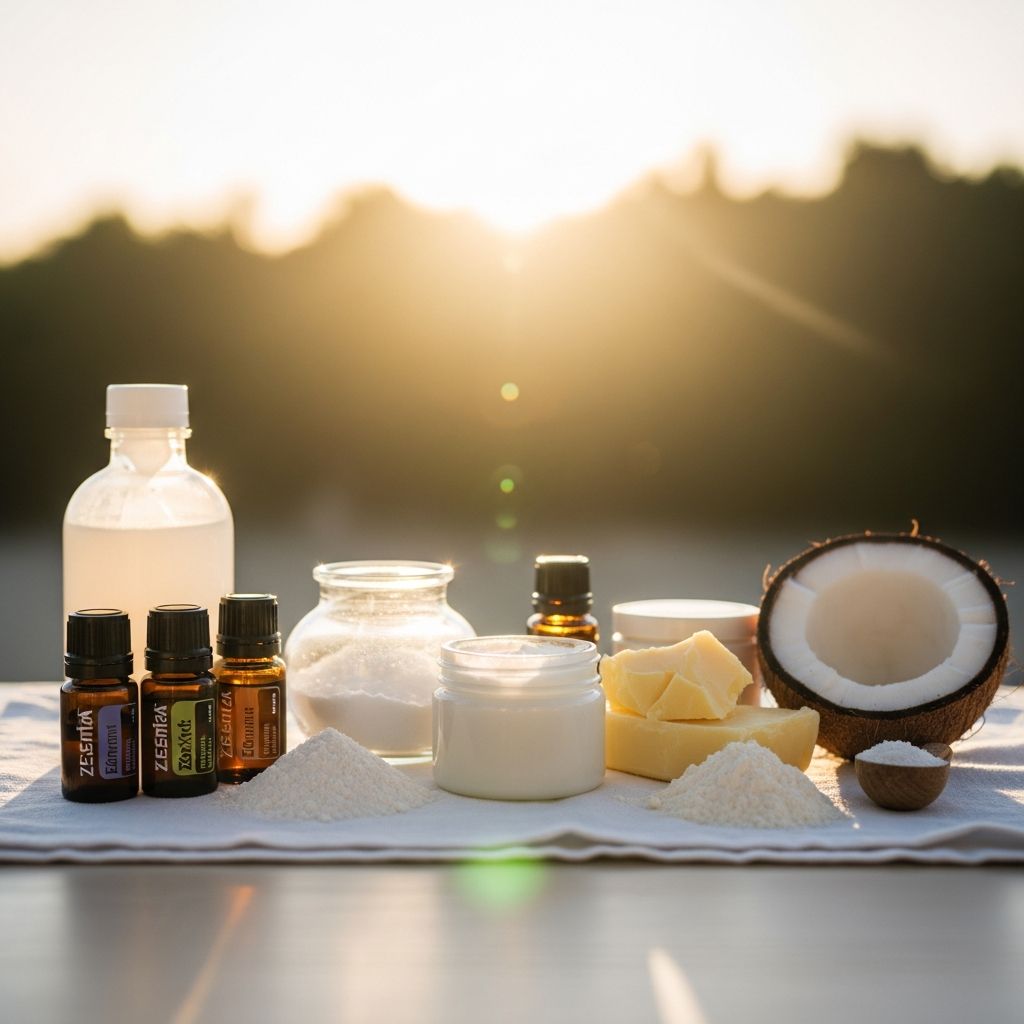
A dermatologist explains why homemade sunscreens do not provide effective protection against harmful UV radiation.
Homemade Sunscreens Are Not the Answer
Homemade formulations shared widely on social media lack scientific backing and can endanger your skin. Common ingredients like vegetable oils, coconut oil, and fruit-derived oils offer little to no protection against ultraviolet (UV) radiation. These should never replace proven sunscreens. Oils typically provide SPF ratings of 2 to 8 at best, far below what’s needed for safe sun exposure. Even with added zinc oxide, achieving consistent, broad-spectrum protection at home is impossible due to imprecise measurements and lack of stability testing.
Social media platforms like Pinterest amplify the problem. A study analyzing 189 homemade sunscreen recipes found over 95% portrayed them positively, yet 68.3% failed to offer adequate UV protection. One-third claimed SPFs from 2 to 50 without evidence. This misinformation creates a false sense of security, leading to prolonged sun exposure and heightened skin cancer risk.
Why Homemade Sunscreen Fails
Dermatologists from the American Academy of Dermatology (AAD) emphasize that homemade sunscreens skip rigorous FDA testing required for commercial products. Without this, SPF claims, broad-spectrum coverage (UVA and UVB), water resistance, and shelf life cannot be verified. Inconsistent preparation further varies efficacy between batches.
- Inadequate Ingredients: Natural oils like coconut oil (SPF 4-7), olive oil (SPF ~8), or shea butter provide minimal blocking power against harmful rays.
- Uneven Distribution: Minerals like zinc oxide or titanium dioxide must be precisely dispersed for uniform protection; home mixing often results in clumps or patches.
- No Stability Testing: Commercial sunscreens ensure ingredients remain effective over time and under heat/water; DIY versions degrade unpredictably.
- Phototoxicity Risks: Essential oils in recipes can cause burns or irritation when sun-exposed.
A review in the Journal of Integrative Dermatology confirms homemade sunscreens lack human safety trials, formulation standards, and verified SPF, making them unreliable. Australian Cancer Council echoes this, noting even zinc-inclusive recipes rarely achieve correct concentrations.
Skin Cancer Foundation Guidance
Unprotected UV exposure is the top preventable cause of skin cancer, including melanoma. The Skin Cancer Foundation urges using FDA-approved sunscreens with SPF 30+, broad-spectrum protection, and 40-80 minute water resistance for those over 6 months old. Apply generously—about 1 ounce for adults—30 minutes before sun exposure, reapplying every 2 hours or after swimming/sweating.
| Aspect | Homemade Sunscreen | Commercial Sunscreen |
|---|---|---|
| Testing | None (no SPF verification) | FDA-regulated, rigorous trials |
| Protection | Inconsistent, low SPF (often <10) | Broad-spectrum SPF 30+ |
| Stability | Unpredictable degradation | Tested for shelf life and conditions |
| Safety | Potential irritants/allergens | Human safety verified |
What Makes Commercial Sunscreen Effective
Professional sunscreens use regulated concentrations of zinc oxide or titanium dioxide, proven to reflect/absorb UV rays effectively. They undergo standardized testing for SPF, UVA protection (via critical wavelength >370nm), and endurance in water/sweat. This ensures reliable defense against sunburn, premature aging, and DNA damage leading to cancer.
Homemade attempts to mimic this fail due to kitchen-scale limitations. For instance, zinc must comprise 15-25% for SPF 30, evenly micronized—a feat requiring industrial equipment. Variability in oil bases further dilutes protection.
Risks of Relying on DIY Sunscreen
Beyond inefficacy, DIY sunscreens foster complacency. Users may stay outdoors longer, amplifying UV damage. Studies link inadequate protection to higher melanoma rates, with UV exposure causing 90% of non-melanoma skin cancers. Children face amplified risks; improper sunscreen contributes to lifetime cancer odds.
Related Stories



Ingredients pose direct hazards: essential oils like citrus can trigger phytophotodermatitis (severe burns). Allergic reactions from untested combos add dangers. Environmentally, unstable formulations may leach unfiltered minerals into water, though this is secondary to health risks.
Expert Recommendations for Sun Safety
Dermatologists advise:
- Choose broad-spectrum SPF 30+ sunscreens labeled water-resistant.
- Apply 1 oz (shot glass full) to adults, ¼ tsp to kids’ faces.
- Reapply every 2 hours, or immediately post-swim/sweat.
- Combine with UPF clothing, hats, shade, and avoiding 10am-4pm sun.
For sensitive skin, mineral-based (zinc/titanium) options exist commercially, vetted for safety.
Frequently Asked Questions (FAQs)
Can natural oils replace sunscreen?
No. Oils like coconut (SPF 4-7) or olive (SPF 8) offer negligible protection and may increase burn risk.
Is zinc oxide in DIY safe?
Not without precise formulation. Uneven mixing leads to spotty coverage; lacks testing for efficacy/stability.
Are homemade sunscreens cheaper?
They seem so but risk costly skin damage/treatment. Commercial options provide proven value.
What SPF do I need?
SPF 30+ blocks 97% UVB; higher for extended exposure. Always broad-spectrum.
Can kids use commercial sunscreen?
Yes, from 6 months. Consult pediatricians for infants.
Conclusion: Stick to Proven Protection
With skin cancer rates climbing, don’t gamble with untested DIY recipes. Opt for regulated sunscreens to safeguard your skin effectively. Prevention today averts tomorrow’s health crises.
References
- Researchers warn against using homemade sunscreen — Safety+Health Magazine. 2019-06-12. https://www.safetyandhealthmagazine.com/articles/18543-researchers-warn-against-using-homemade-sunscreen
- Professional Sunscreen vs. DIY: Why You Shouldn’t Make Your Own — Black Girl Sunscreen. Accessed 2026. https://blackgirlsunscreen.com/professional-vs-diy-sunscreen/
- American Academy of Dermatology warns that homemade sunscreens are not effective — AAD. 2024-07-02. https://www.aad.org/news/homemade-sunscreens-not-effective
- Ask the Expert: Is Homemade Sunscreen Safe? — Skin Cancer Foundation. Accessed 2026. https://www.skincancer.org/blog/is-homemade-sunscreen-safe/
- A Review on Homemade Sunscreen — Journal of Integrative Dermatology. Accessed 2026. https://jintegrativederm.org/doi/10.64550/joid.yz1h1125
- I heard of a recipe for natural homemade sunscreen. Do these work? — Cancer Council. Accessed 2026. https://www.cancer.org.au/iheard/i-heard-of-a-recipe-for-natural-homemade-sunscreen-do-these-work
Similar Articles








Read full bio of Sneha Tete