Honey Vs Sugar: A Complete Guide To Health Benefits And Risks
Unpacking the nutritional debate: Is honey a healthier swap for sugar, or just another sweet trap? Discover the science behind the buzz.
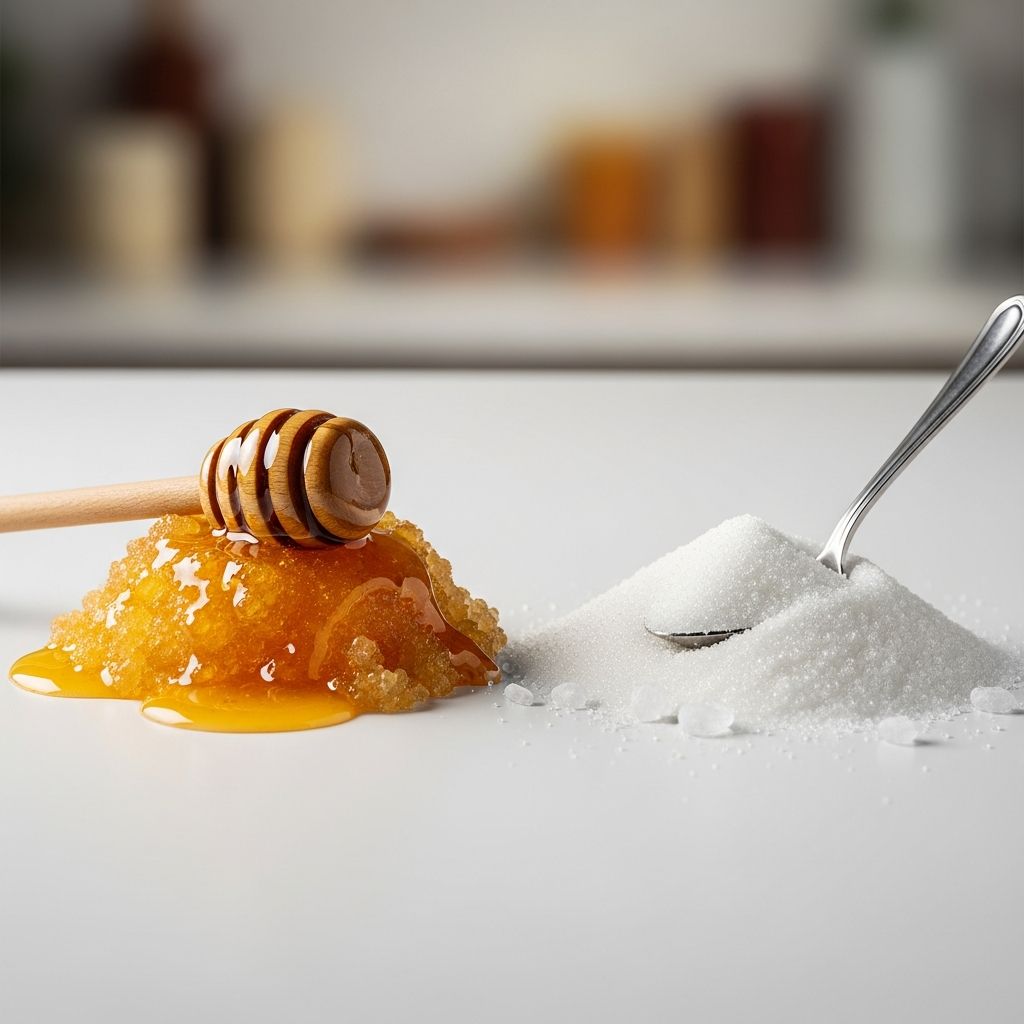
Honey is often touted as a natural, healthier alternative to refined sugar, but scientific evidence reveals a more nuanced picture. While honey offers antioxidants and a lower glycemic index, it remains high in calories and sugars that can impact blood glucose and weight.
What Is Honey? How Is It Made?
Honey is a viscous, natural sweetener produced by honeybees from flower nectar. Bees collect nectar, enzymatically break it down into simple sugars, and store it in honeycombs where it dehydrates into the golden syrup we know. This process yields about one pound of honey after roughly two million flower visits.
Unlike refined sugar, raw honey retains pollen, enzymes, antioxidants, vitamins, and minerals like B vitamins, vitamin C, calcium, and potassium. However, these nutrients exist in trace amounts insufficient to significantly impact daily needs. Processing like pasteurization further diminishes these benefits, though raw varieties preserve more bioactive compounds.
Sugar vs. Honey: Nutritional Comparison
Both honey and sugar primarily consist of carbohydrates—nearly 100% sugars—but differ in composition, calorie density, and micronutrients. Here’s a side-by-side breakdown per tablespoon:
| Nutrient | Honey (1 tbsp) | Sugar (1 tbsp) |
|---|---|---|
| Calories | 64 | 49 |
| Total Carbs | 17g | 12.6g |
| Sugars | 17g (fructose 40%, glucose 30%) | 12.6g (sucrose 50/50 glucose-fructose) |
| Glycemic Index (GI) | 50-60 (varies by type) | 65 |
| Antioxidants | Present (flavonoids, polyphenols) | None |
| Micronutrients | Trace vitamins/minerals | None |
Honey’s higher fructose content makes it sweeter, potentially requiring less for the same taste. Its lower GI means slower blood sugar rises compared to sugar. Yet, honey packs more calories, making portion control essential.
Health Benefits of Honey Over Sugar
- Antioxidant Power: Honey contains polyphenols and flavonoids that combat oxidative stress, potentially lowering risks of heart disease, type 2 diabetes, and premature aging. These are absent in refined sugar.
- Lower Glycemic Impact: Studies show honey causes smaller blood glucose spikes than dextrose or sucrose, beneficial for diabetics. In one trial, honey-fed diabetic patients saw reduced fasting blood sugar, triglycerides, and HbA1c versus sucrose.
- Anti-Inflammatory Effects: Honey may reduce inflammation markers like CRP and homocysteine more effectively than sugar.
- Antimicrobial Properties: Raw honey’s hydrogen peroxide and low water content inhibit bacteria, aiding wound healing and soothing coughs—uses sugar can’t match.
- Weight Management Potential: Some research links moderate honey intake to modest weight loss and improved lipid profiles in diabetics, unlike sugar which promotes gain.
These perks stem from honey’s oligosaccharides and antioxidants, which slow glucose absorption and blunt insulin surges.
Is Honey Good for Diabetics?
For diabetes management, honey shows promise but requires caution. Peer-reviewed studies indicate it lowers plasma glucose less than refined sugars in both healthy and diabetic subjects.
In a 58-patient type 2 diabetes trial, 70g daily honey reduced body weight, blood glucose, total cholesterol, and LDL while raising HDL—improvements absent in sucrose groups. Animal studies confirm long-term honey feeding decreases HbA1c and protects pancreatic beta cells via antioxidants.
However, honey’s 17g sugars per tablespoon still elevate blood sugar. The American Diabetes Association advises moderation; it’s not a free pass. Opt for low-GI varieties like Tupelo honey for gentler effects.
Related Stories



Honey vs. Sugar for Weight Loss
Honey might edge sugar for weight control due to slower digestion providing sustained energy, reducing cravings. Its fructose slows gastric emptying, curbing overeating.
Yet, both are calorie-dense. Excess honey contributes to obesity like sugar, with risks of insulin resistance over time. Studies show honey-fed rats gained less weight than sucrose-fed ones, but human evidence is limited. Use sparingly—1 tsp daily max.
Downsides and Risks of Honey
- High Calories: More than sugar per volume, risking weight gain.
- Infant Botulism: WHO warns against giving honey to babies under 12 months due to Clostridium botulinum spores.
- Allergy Risks: Trace pollen may trigger reactions in sensitive individuals.
- Contaminants: Commercial honey can contain antibiotics or adulterants; choose raw, organic.
Sugar’s pitfalls include cavities, gut dysbiosis, and faster blood sugar spikes.
Honey and Tooth Health
Honey’s lower pH and compounds like methylglyoxal make it less cariogenic than sugar. It may even inhibit oral bacteria. Still, frequent use erodes enamel—brush after.
Best Types of Honey
- Raw/Unpasteurized: Retains enzymes, pollen, antioxidants.
- Manuka: High antibacterial UMF rating for therapeutic use.
- Tupelo: Lowest GI, ideal for blood sugar control.
- Dark Varieties (Buckwheat): Richest in antioxidants.
Avoid processed “honey” blends high in corn syrup.
How Much Honey Is Too Much?
AHA recommends capping added sugars at 25g (women)/36g (men) daily. Limit honey to 1-2 tbsp max, prioritizing whole foods. Diabetics: monitor glucose responses.
7 Ways to Use Honey Instead of Sugar
- Sweeten tea or coffee (less needed due to intensity).
- Drizzle on yogurt or oatmeal.
- Bake goods—substitute 1:1 but reduce liquids.
- Marinades for savory dishes.
- Energy balls with nuts/seeds.
- Smoothies for natural thickness.
- Homemade salad dressings.
Expert Advice: Should You Swap Sugar for Honey?
Registered dietitians agree: honey offers marginal benefits but isn’t a miracle. “It’s sweeter, so use less; its antioxidants are a bonus, but calories count most,” notes one expert. For optimal health, minimize both.
Frequently Asked Questions (FAQs)
Is honey healthier than sugar?
Honey has a lower GI, antioxidants, and nutrients sugar lacks, causing milder blood sugar rises. However, it’s denser in calories and sugars—moderation is key for both.
Can diabetics eat honey?
Yes, in small amounts. Studies show it improves glycemic control and lipids better than sucrose, but monitor intake to avoid spikes.
How much honey per day is safe?
1-2 teaspoons for most; up to 1 tbsp if active. Exceeding raises obesity/diabetes risks like sugar.
Does honey expire?
Honey crystallizes but never spoils due to low moisture and natural preservatives. Gently warm to reliquify.
Is raw honey better than processed?
Yes—raw retains enzymes, pollen, and higher antioxidants. Processed loses most benefits.
Does honey cause weight gain?
Like sugar, excess does. Its slower absorption may aid satiety, but calories drive gain.
Bottom Line
Honey edges sugar with its nutrient profile and gentler metabolic effects, especially for blood sugar and inflammation. Yet, it’s no health food—treat it as an occasional indulgence. Prioritize whole fruits for sweetness and fiber.
References
- Honey and Diabetes: The Importance of Natural Simple Sugars in Diet for Preventing and Treating Different Type of Diabetes — PMC/NIH. 2018-02-15. https://pmc.ncbi.nlm.nih.gov/articles/PMC5817209/
- Honey vs. sugar: Differences, benefits, and disadvantages — Medical News Today. 2023-10-10. https://www.medicalnewstoday.com/articles/317728
- Is Honey a Healthy Alternative to Sugar — FEPBlue. 2023-07-20. https://www.fepblue.org/news/2023/07/20/15/38/Is-Honey-a-Healthy-Alternative-to-Sugar
- Honey vs. Sugar and Discovering Tupelo Honey’s Magic — Smiley Honey. 2024-01-01. https://www.smileyhoney.com/blogs/wellness/tupelo-honey-vs-sugar
- Honey vs. Sugar: Which Sweetener Should I Use? — Healthline. 2023-11-15. https://www.healthline.com/health/food-nutrition/honey-vs-sugar
- Why Raw Honey Is Not Just “Sugar” and When to Eat It — Mito Health. 2024-05-20. https://mitohealth.com/blog/raw-honey-vs-sugar-benefits-myths
Similar Articles








Read full bio of Sneha Tete