Hummus: 6 Proven Health Benefits, Nutrition & Tips
Uncover the nutritional benefits of hummus, from fiber and protein to heart health and blood sugar control, plus tips for healthier choices.
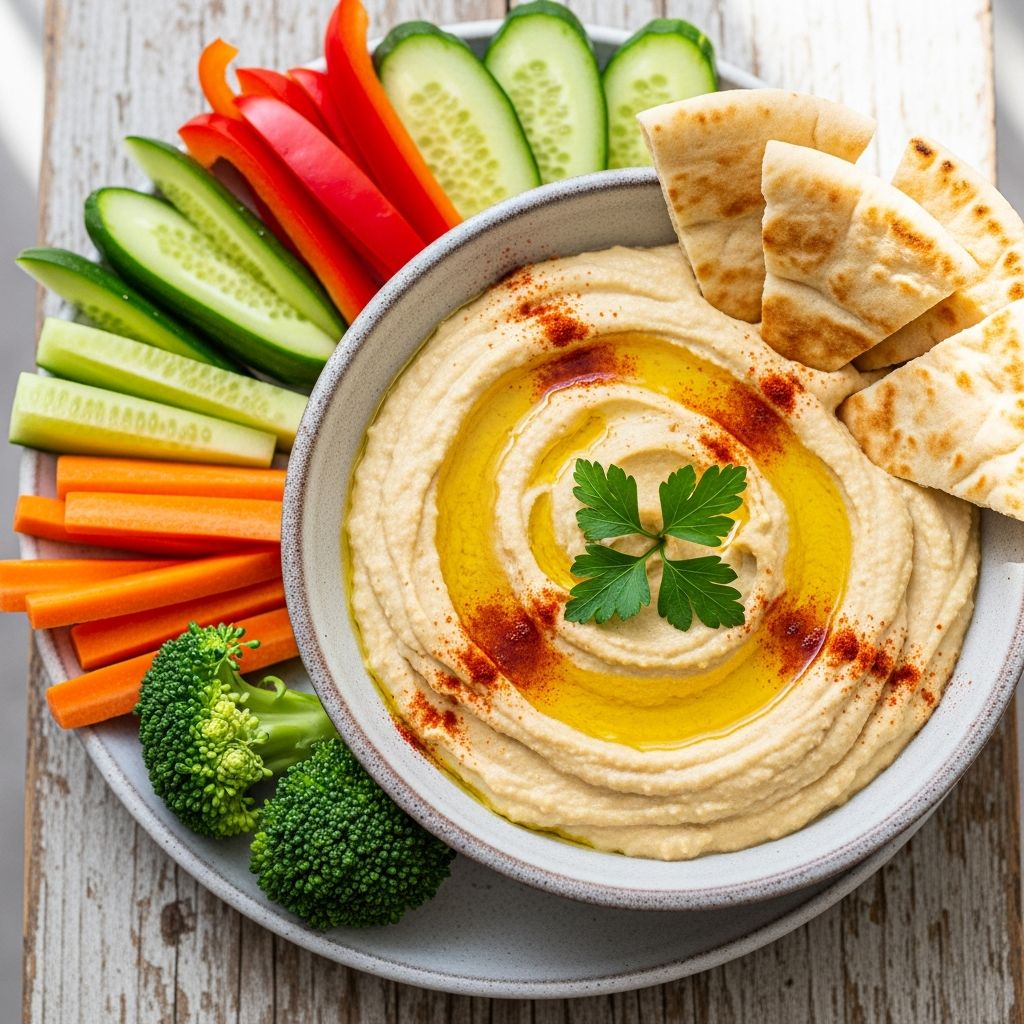
Hummus, a creamy Middle Eastern dip made primarily from chickpeas, tahini, olive oil, lemon juice, and garlic, is celebrated for its rich flavor and versatility. But is it truly a healthy food? This article dives into the nutritional profile of hummus, its proven health benefits, potential downsides, and practical tips for incorporating it into your diet.
What Is Hummus?
Hummus originates from the Middle East and has gained global popularity as a dip, spread, or ingredient in countless recipes. Traditional hummus is blended from cooked chickpeas (garbanzo beans), sesame seed paste (tahini), extra-virgin olive oil, fresh lemon juice, garlic, and often salt. Variations may include roasted red peppers, beets, or spices for added flavor.
Its smooth texture makes it ideal for pairing with vegetables, pita bread, crackers, or as a sandwich spread. Beyond taste, hummus packs a nutrient punch that supports overall health when consumed mindfully.
Hummus Nutrition Facts
A typical 2-tablespoon (about 30g) serving of hummus provides a balanced mix of macronutrients and micronutrients. Nutritional values can vary by brand or recipe, but here’s a standard breakdown based on reliable analyses:
| Nutrient | Amount per 2 Tbsp (30g) | % Daily Value* |
|---|---|---|
| Calories | 82-92 kcal | 4% |
| Protein | 2-2.5g | 5% |
| Total Fat | 5.8-8g | 7-10% |
| Carbohydrates | 5-3.1g | 2% |
| Dietary Fiber | 2-1.5g | 6-8% |
| Sugars | <1g | – |
| Manganese | 0.4mg | 17% |
| Copper | 0.12mg | 13% |
| Folate | 12.2mcg | 3% |
| Iron | 0.82mg | 5% |
| Magnesium | 24.1mg | 6% |
| Phosphorus | 56.3mg | 5% |
| *Percent Daily Values based on a 2,000-calorie diet. Data averaged from sources. | ||
Hummus is naturally gluten-free, nut-free, and dairy-free, making it suitable for many dietary needs. It’s a source of plant-based protein, essential for vegetarians and vegans.
Health Benefits of Hummus
Hummus offers multiple evidence-based health advantages due to its nutrient-dense ingredients. Here are the top benefits:
1. Supports Digestive Health
With nearly 2g of fiber per serving, hummus promotes regularity by softening stools and adding bulk. Soluble fiber feeds beneficial gut bacteria, producing short-chain fatty acids like butyrate, which reduces intestinal inflammation and may protect against colon cancer.
- Fiber from chickpeas enhances gut microbiota diversity.
- Resistant starch in chickpeas acts as a prebiotic.
2. Helps Maintain Healthy Blood Sugar Levels
Hummus has a low glycemic index (GI) thanks to its fiber, protein, healthy fats, and resistant starch. These slow carbohydrate digestion, preventing blood sugar spikes. Studies show hummus improves short-term glucose control compared to white bread.
This makes it ideal for diabetes management or stable energy levels.
3. Promotes Heart Health
Ingredients like chickpeas, olive oil, and tahini provide monounsaturated fats and fiber that lower LDL cholesterol and reduce cardiovascular risk. Legume-rich diets, including chickpeas, support healthy blood pressure and lipid profiles.
- Polyphenols and unsaturated fats combat inflammation.
- Replacing saturated fat spreads with hummus benefits heart health.
Related Stories



4. Aids in Weight Management
Hummus enhances satiety through protein, fiber, and fats, helping control appetite. Research links hummus consumption to better diet quality, lower calorie intake from unhealthy foods, and sustained weight loss.
A study found hummus eaters had higher fiber and nutrient intake overall.
5. Provides Essential Nutrients and Antioxidants
Rich in manganese, copper, folate, iron, and zinc, hummus fills key nutritional gaps, especially for plant-based diets. Anti-inflammatory compounds from garlic, lemon, and sesame seeds further boost its profile.
6. May Reduce Inflammation
Several components—chickpeas, tahini, olive oil—exhibit anti-inflammatory effects, potentially lowering chronic disease risk.
Potential Downsides of Hummus
While nutritious, hummus isn’t perfect. Key concerns include:
- High Sodium: Store-bought varieties often exceed 150mg per serving, risking high blood pressure if overconsumed. Opt for low-sodium options.
- Calorie Density: Fats from tahini and oil make it energy-rich; portion control is key for weight management.
- Allergies: Sesame (tahini) is a common allergen. Chickpeas may cause digestive issues in sensitive individuals.
- Added Ingredients: Some commercial hummuses include preservatives, excess oil, or sugars—check labels.
Store-Bought vs. Homemade Hummus
Store-Bought Hummus
Convenient but variable in quality. Look for:
- <140mg sodium per serving.
- Minimal ingredients; olive oil over cheaper oils.
- No added sugars or preservatives.
Brands with high olive oil content offer better heart benefits.
Homemade Hummus
Control ingredients for optimal nutrition. Basic recipe (makes ~2 cups):
- 1 can (15oz) chickpeas, rinsed.
- 1/4 cup tahini.
- 2 Tbsp olive oil.
- 2 Tbsp lemon juice.
- 1 garlic clove.
- Salt to taste; water to blend.
Blend until smooth. Customize with cumin, paprika, or veggies. Homemade slashes sodium and calories.
Healthy Ways to Eat Hummus
Maximize benefits with smart pairings:
- With Veggies: Carrots, celery, cucumbers, bell peppers for low-cal crunch.
- On Whole Grains: Whole-wheat pita, crackers, or toast instead of butter.
- In Meals: Salad dressing, sandwich spread, grain bowls, or deviled egg filling.
- Portion Tip: 2-4 Tbsp per serving.
Replace high-fat dips like ranch for better nutrition.
Frequently Asked Questions (FAQs)
Is hummus good for weight loss?
Yes, its fiber and protein promote fullness, aiding calorie control. Studies show hummus eaters have improved diet quality and weight management.
Is hummus low-carb?
Moderate; ~5g carbs per 2 Tbsp, mostly from chickpeas. Suitable for low-GI diets.
Can hummus help with digestion?
Absolutely—fiber supports regularity and gut health.
Is all hummus healthy?
No; choose low-sodium, minimal-ingredient versions or make your own.
How much hummus can I eat daily?
2-4 Tbsp as part of a balanced diet. Monitor sodium.
Bottom Line: Is Hummus Healthy?
Yes, hummus is a healthy, nutrient-packed food that supports digestion, blood sugar, heart health, and weight management when chosen wisely. Its versatility makes it easy to enjoy daily in moderation.
References
- Is Hummus Healthy? Top 8 Benefits of Hummus — Healthline. 2023. https://www.healthline.com/nutrition/is-hummus-healthy
- Top 5 health benefits of hummus — BBC Good Food. 2024. https://www.bbcgoodfood.com/health/nutrition/hummus-healthy
- Snack Smart: 3 Reasons Hummus Is Good for You — Cleveland Clinic. 2023. https://health.clevelandclinic.org/is-hummus-good-for-you
- The Benefits of Including Hummus and Hummus Ingredients into the American Diet to Promote Diet Quality and Health — PMC (Peer-reviewed). 2020-10-28. https://pmc.ncbi.nlm.nih.gov/articles/PMC7760696/
- Is hummus healthy? — Medical News Today. 2024. https://www.medicalnewstoday.com/articles/is-hummus-healthy
- Hummus — Mayo Clinic. 2023. https://www.mayoclinic.org/healthy-lifestyle/recipes/hummus/rcp-20049675
Similar Articles








Read full bio of Sneha Tete