Ice Or Heat For Back Pain: When To Use Each, Expert Tips
Discover when to use ice or heat for effective back pain relief, based on expert advice and research.
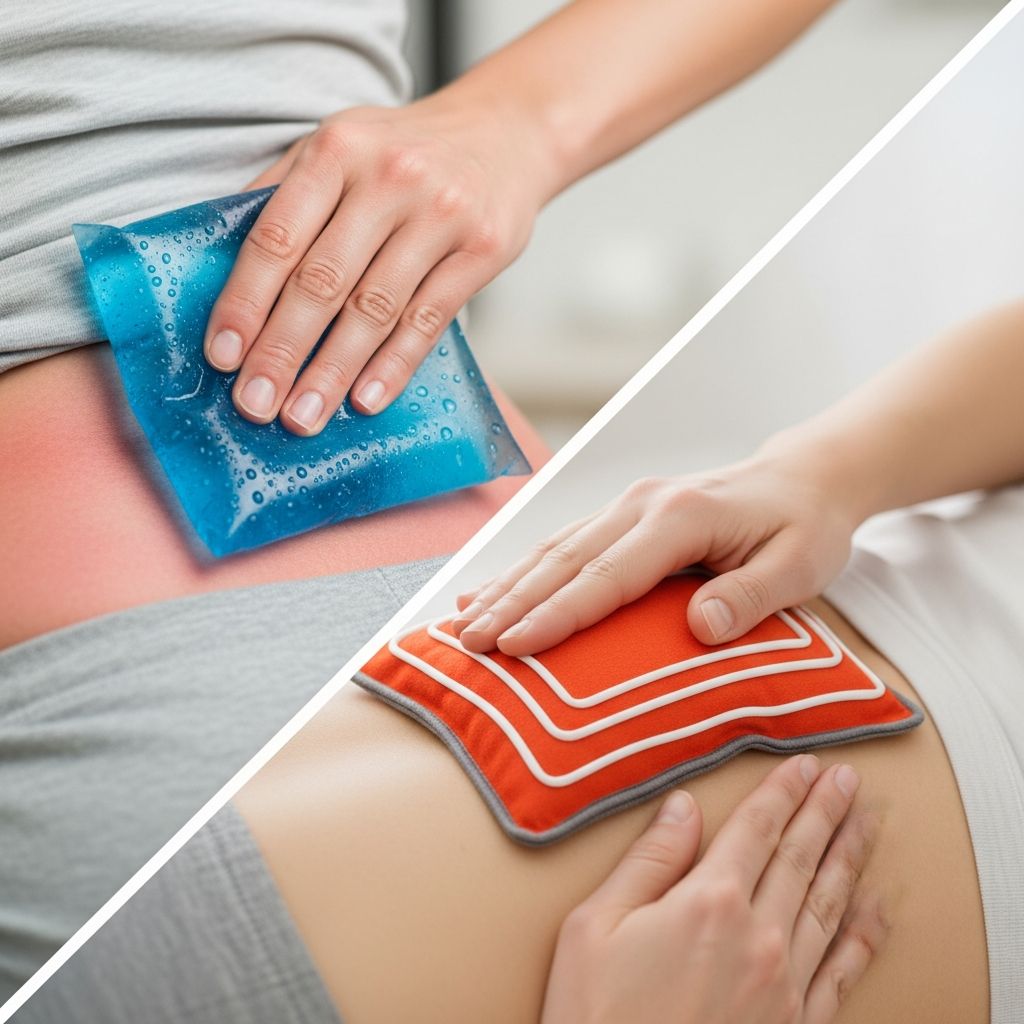
Back pain affects millions, prompting many to reach for ice packs or heating pads for relief. While both therapies offer benefits, their effectiveness depends on the pain’s cause, timing, and type. Heat generally excels for chronic stiffness and muscle tension, while ice suits acute inflammation. This article breaks down the science, expert guidelines, and practical tips to help you choose wisely.
How Ice and Heat Therapy Work
Ice therapy, or cryotherapy, constricts blood vessels to reduce swelling, numb pain, and limit inflammation, making it ideal for fresh injuries. Heat therapy dilates blood vessels, boosting blood flow to relax muscles, ease stiffness, and deliver healing nutrients.
Research shows mixed results for low back pain. A PMC review found no clear benefit from either for acute pain, with some trials favoring ice massage for chronic cases and others showing equivalence. For muscle soreness, heat often outperforms ice after 48 hours.
When to Use Ice for Back Pain
Apply ice immediately after acute injuries or flare-ups within the first 24-72 hours to curb inflammation. It’s best for:
- Recent strains or sprains with visible swelling
- Severe pain preventing movement
- Post-surgery or trauma
Limit ice to 10-20 minutes per session to avoid skin damage or delayed healing. Studies warn frequent icing may slow recovery by suppressing natural inflammation needed for repair.
When to Use Heat for Back Pain
Heat shines for ongoing or chronic back pain, promoting relaxation and mobility. Use it when pain stems from:
- Muscle tension or spasms
- Stiffness after the acute phase (post-72 hours)
- Nerve irritation without major swelling
A review confirmed heat provides modest pain relief and improves function for back pain lasting over a few days. Apply for 15-20 minutes, several times daily.
Ice vs. Heat for Sciatica
Sciatica, pain from sciatic nerve compression, often responds better to heat, which relaxes muscles pinching the nerve and enhances circulation. Ice offers short-term relief for extreme swelling or unrest.
Contrast therapy—alternating 10 minutes ice and 10 minutes heat—may ease symptoms for some, but prioritize heat and movement for recovery.
Other Back Pain Types and Conditions
| Condition | Best Therapy | Why |
|---|---|---|
| Acute strain (first 48-72 hrs) | Ice | Reduces swelling and numbs |
| Chronic low back pain | Heat | Relaxes muscles, improves flow |
| Post-workout soreness | Ice first, then heat | Controls inflammation, then heals |
| Arthritis flare | Heat (generally) | Eases stiffness; ice if swollen |
For neck pain or joint issues like knees, heat typically aids stiffness, while ice targets acute swelling.
How to Apply Ice and Heat Safely
Ice Application
- Wrap in cloth; never direct skin contact
- 10-20 min every 2-3 hours
- Stop if numb or skin irritates
Heat Application
- Use moist heat (warm towel) for deeper penetration
- 15-20 min sessions; avoid sleeping on pad
- Low setting to prevent burns
Always test tolerance and consult a doctor for persistent pain.
Risks and Side Effects
Ice risks include frostbite, nerve damage, or hindered healing if overused. Heat can cause burns, worsen inflammation if applied too early, or increase swelling in acute cases. No major adverse events in trials, but minor skin irritation occurs.
Related Stories



Pregnant individuals or those with circulatory issues should seek medical advice before use.
Alternatives to Ice and Heat
While helpful, these are adjuncts. Evidence-based options include:
- Physical therapy and exercise
- Over-the-counter NSAIDs (short-term)
- Mindfulness or yoga for chronic pain
- Ergonomic adjustments
Movement trumps prolonged rest; heat plus activity accelerates recovery.
Expert Advice: What Doctors Recommend
Spine specialists advocate ice for acute inflammation (24-72 hours), then heat. Agencies like AHRQ note limited evidence for either in acute low back pain. Personalize based on response—track what works.
Frequently Asked Questions
What is the first thing to do for back pain?
Assess if acute: start with ice for 48-72 hours to reduce inflammation, then switch to heat.
How long should I use ice or heat?
10-20 minutes per session, 3-4 times daily; don’t exceed to avoid injury.
Can I use ice and heat together?
Yes, contrast therapy (10 min each, 2-3 cycles) for mixed symptoms like stiffness and swelling.
Is heat or ice better for arthritis back pain?
Heat for daily stiffness; ice for acute flares with swelling.
When should I see a doctor for back pain?
If pain persists >2 weeks, radiates, or accompanies numbness/weakness.
Key Takeaways
- Acute pain/swelling: Ice first 24-72 hours.
- Chronic/stiff: Heat for relief and mobility.
- Combine with movement; consult pros for tailored advice.
References
- Ice vs heat: when to use cold or heat for pain relief — Sword Health. 2023. https://swordhealth.com/articles/ice-vs-heat
- Superficial heat or cold for low back pain — PMC / Cochrane. 2022-02-22. https://pmc.ncbi.nlm.nih.gov/articles/PMC8846312/
- Heat Vs. Ice: Which Is Best for Back & Neck Pain? — Kansas Joint and Spine. 2024. https://www.kansasjointandspine.com/heat-vs-ice-which-best-back-neck-pain
- Ice or Heat: Which Is Better for Treating Back Pain? — GoodRx. 2024. https://www.goodrx.com/conditions/musculoskeletal/ice-or-heat-for-back-pain
- Back pain: Heat or ice? — Mount Nittany Health. 2023. https://mountnittany.org/news-stories/orthopedics-and-sports-medicine/back-pain-heat-or-ice/
- SHOULD I USE ICE OR HEAT TO REDUCE MY LOW BACK PAIN? — Orthopedic ONE. 2023. https://www.orthopedicone.com/news-events/should-i-use-ice-or-heat-therapy-to-reduce-my-lower-back-pain/
- Should I Use Ice or Heat for My Lower Back Pain? — Spine-health. 2024. https://www.spine-health.com/blog/should-i-use-ice-or-heat-my-lower-back-pain
Similar Articles








Read full bio of Sneha Tete