Is Iceberg Lettuce Healthy? Nutrition Facts Explained
Discover the surprising health benefits of iceberg lettuce and why it deserves a place in your diet.
Is Iceberg Lettuce Healthy? What a Dietitian Says
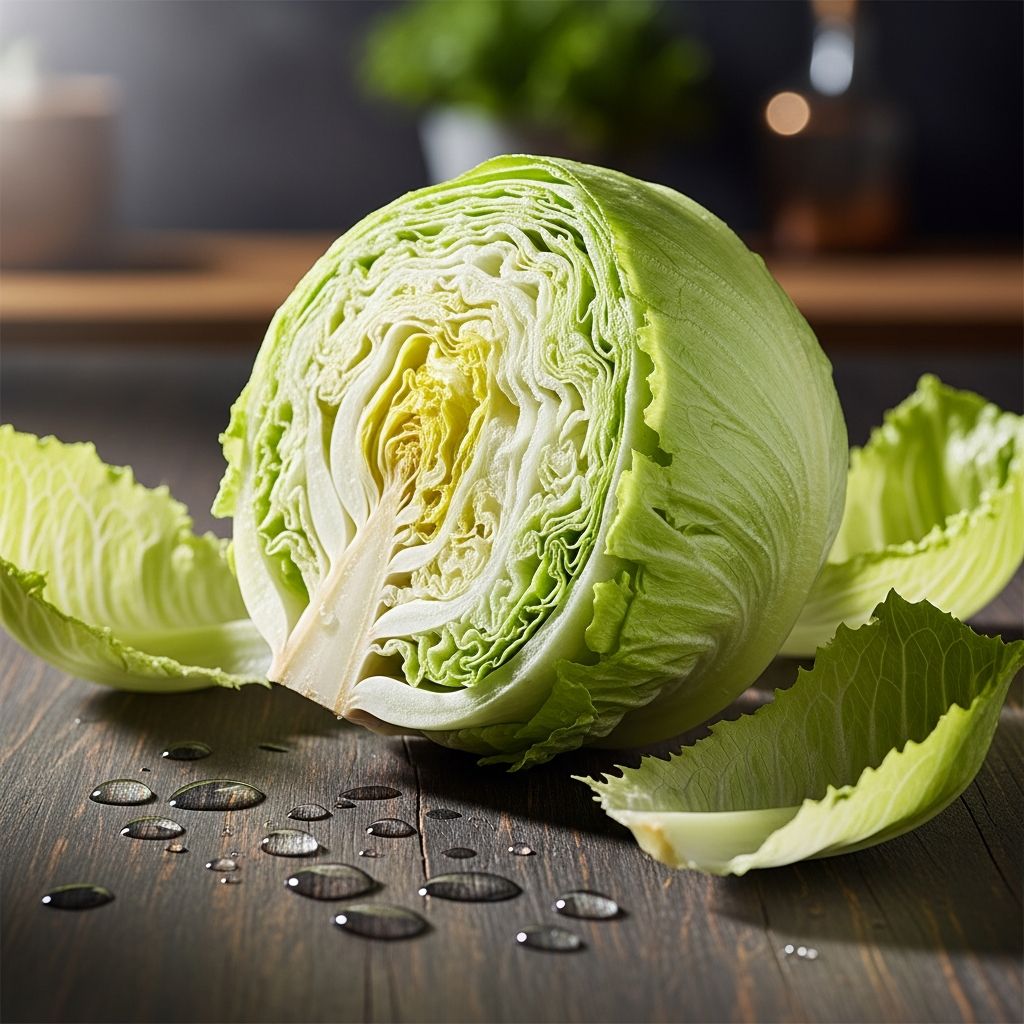
Iceberg lettuce often gets criticized as a nutritionally empty vegetable, dismissed as mere water and crunch. However, this crisp leafy green contains more nutritional value than its reputation suggests. Despite having a high water content, iceberg lettuce provides essential vitamins, minerals, and fiber that can contribute meaningfully to a balanced diet. For those looking to increase their vegetable intake without significantly raising calorie consumption, iceberg lettuce serves as an accessible and practical option.
Iceberg Lettuce Nutrition Facts
Understanding the precise nutritional profile of iceberg lettuce helps dispel myths about its value. One cup of shredded iceberg lettuce (approximately 72 grams) contains surprisingly modest but meaningful nutrients that support various bodily functions.
Per 1 Cup (72g) of Shredded Iceberg Lettuce:
- Calories: 10.1
- Carbohydrates: 2.3 grams
- Protein: 0.6 grams
- Fat: 0.1 grams
- Dietary Fiber: 0.9 grams
- Vitamin K: 17.4 micrograms (22% of Daily Value)
- Vitamin A: 361 international units (7% of Daily Value)
- Folate: 20.9 micrograms (5% of Daily Value)
- Manganese: 0.1 milligrams (4% of Daily Value)
- Vitamin C: 2 milligrams (3% of Daily Value)
- Potassium: 102 milligrams (3% of Daily Value)
The lettuce also contains smaller amounts of vitamin B6, iron, and calcium, contributing to its overall nutritional profile. While individual nutrient percentages may seem modest, consuming iceberg lettuce as part of a varied diet contributes to meeting daily nutritional requirements.
Key Health Benefits of Iceberg Lettuce
1. Supports Weight Management
Iceberg lettuce contains only 10 calories per cup, making it an excellent choice for those managing their weight. The vegetable allows you to add volume and satisfaction to meals without significantly increasing caloric intake. Research published in Nutrition & Diabetes demonstrates that increased fruit and vegetable consumption correlates with improved weight loss and fat loss outcomes. By incorporating iceberg lettuce into salads, wraps, and side dishes, individuals can create more filling meals while maintaining a caloric deficit necessary for weight management.
2. Promotes Bone Strength
One of iceberg lettuce’s most valuable nutrients is vitamin K, which plays a critical role in bone metabolism and health. Vitamin K works synergistically with calcium to prevent bone fractures and maintain skeletal integrity. The vitamin facilitates the production of osteocalcin, a protein essential for binding calcium within the bone matrix. Research indicates that adequate vitamin K intake supports bone density and reduces fracture risk, particularly important for aging populations and individuals at risk for osteoporosis. A single serving of iceberg lettuce provides approximately 22% of the daily recommended vitamin K intake.
3. Enhances Eye Health
Iceberg lettuce contains vitamin A in the form of beta-carotene, a powerful antioxidant that supports ocular function. Vitamin A maintains the health of the retina, helps prevent age-related vision loss, and improves vision in low-light conditions. For individuals experiencing night blindness or concerned about age-related macular degeneration, increasing dietary vitamin A from sources like iceberg lettuce may provide protective benefits. The antioxidant properties of vitamin A also protect eye cells from oxidative damage caused by free radicals.
4. Supports Blood Clotting
Vitamin K serves dual roles in cardiovascular and hematologic health. Beyond bone metabolism, vitamin K regulates the synthesis of proteins involved in blood clotting, ensuring appropriate hemostasis. While vitamin K deficiency remains rare in developed countries, individuals with bleeding disorders or those taking certain medications may benefit from consistent dietary vitamin K intake. Consulting with healthcare providers helps determine whether dietary adjustments are appropriate for individual circumstances.
5. Supports Fetal Development
Iceberg lettuce provides folate, also known as folic acid, a B-vitamin crucial during pregnancy. Folate facilitates DNA synthesis and supports cell division, processes essential during fetal development, particularly in the first trimester when neural tube formation occurs. Medical professionals universally recommend adequate folic acid intake for women planning pregnancy or currently pregnant. Including folate-rich foods like iceberg lettuce as part of prenatal nutrition helps reduce the risk of neural tube defects and supports healthy fetal development.
Related Stories



6. Contributes to Hydration
With a water content exceeding 95%, iceberg lettuce provides hydration alongside nutrients. During hot weather, consuming high-water-content vegetables supports fluid intake and helps maintain proper hydration status. This characteristic makes iceberg lettuce particularly valuable during summer months when additional hydration needs exist.
How Iceberg Lettuce Compares to Other Greens
While iceberg lettuce receives criticism for being less nutrient-dense than darker leafy greens, it occupies a specific and valuable niche in a balanced diet. Understanding its comparative nutritional profile provides context for its appropriate use.
| Nutrient | Iceberg Lettuce | Romaine Lettuce | Spinach | Kale |
|---|---|---|---|---|
| Vitamin A | Low | 11x higher | Higher | Higher |
| Vitamin C | Low | 5x higher | Higher | Higher |
| Vitamin K | Good | 3x higher | Higher | Much higher |
| Manganese | Low | Moderate | Higher | Higher |
| Folate | Moderate | Moderate | Higher | Higher |
| Magnesium | Low | Low | Higher | Higher |
| Calories | Very low (10) | Very low (8) | Low (7) | Low (7) |
| Water Content | Very high (96%) | High (95%) | Moderate (91%) | Moderate (84%) |
Iceberg lettuce’s high water content contributes to its lower nutrient density per gram compared to more densely packed greens. However, this doesn’t render it nutritionally worthless. Rather, it represents a different category of vegetable with specific advantages: exceptional accessibility for those unaccustomed to bitter or strong-flavored greens, minimal caloric contribution, and refreshing crunch that makes salads more appealing to diverse palates.
Who Should Eat Iceberg Lettuce?
Iceberg lettuce serves particular populations well. For individuals new to incorporating vegetables into their diet, iceberg lettuce’s mild flavor and pleasant texture provide an accessible entry point. Its low fiber content and easy digestibility make it suitable for those with sensitive digestive systems. People managing their weight benefit from its minimal caloric density, while its vitamin K content serves those concerned about bone health. Pregnant women and those planning pregnancy can incorporate iceberg lettuce as one source of dietary folate.
How to Incorporate Iceberg Lettuce Into Your Diet
Maximizing iceberg lettuce’s nutritional benefits involves strategic preparation and pairing with complementary foods.
- Build Nutrient-Dense Salads: Combine iceberg lettuce with darker greens like spinach or kale to increase nutrient density while maintaining appealing texture.
- Add Protein and Healthy Fats: Top salads with grilled chicken, baked tofu, beans, nuts, or seeds to create complete meals with sustained satiety.
- Use as Wrap Bases: Iceberg lettuce leaves serve as low-carb wraps for proteins, vegetables, and spreads, suitable for various dietary preferences.
- Include in Composed Salads: Layer with tomatoes, cucumbers, peppers, and lean proteins for visually appealing and nutritionally balanced dishes.
- Prepare Crispy Side Dishes: Serve alongside other meals to add volume without significant caloric increase.
- Create Simple Soups: Shredded iceberg lettuce adds bulk to vegetable soups, particularly in hot-weather preparations.
Storage and Selection Tips
Selecting and storing iceberg lettuce properly ensures optimal freshness and nutrient retention. Choose heads that feel heavy for their size, with crisp, unblemished leaves and no brown discoloration. Store unwashed lettuce in the refrigerator’s crisper drawer in a plastic bag, where it remains fresh for up to two weeks. Wash only immediately before consumption to prevent deterioration. Avoid storing near ethylene-producing fruits like apples, which can accelerate browning and decay.
Potential Drawbacks and Considerations
While iceberg lettuce offers benefits, several considerations warrant attention. Its high water content means fewer nutrients per volume compared to more densely packed greens. Individuals requiring concentrated nutrient intake may better benefit from darker leafy greens. Additionally, iceberg lettuce contains minimal fiber relative to other vegetables, so those needing increased fiber intake should supplement with other sources. Finally, ensure proper washing to eliminate potential bacterial contamination, particularly important for pregnant women and immunocompromised individuals.
Frequently Asked Questions
Q: Is iceberg lettuce healthier than no vegetables at all?
A: Yes, absolutely. While darker greens contain higher nutrient concentrations, iceberg lettuce provides vitamins, minerals, and fiber. For individuals resistant to other vegetables, iceberg lettuce serves as a valuable bridge food, establishing vegetable consumption habits that can expand to include more nutrient-dense options.
Q: Can iceberg lettuce replace other vegetables in my diet?
A: Iceberg lettuce works best as part of a varied vegetable intake rather than a replacement for other types. Combining it with darker greens, cruciferous vegetables, and colorful produce ensures comprehensive micronutrient coverage and maximum health benefits.
Q: How much iceberg lettuce should I consume daily?
A: General dietary guidelines recommend 2.5 to 3 cups of vegetables daily for adults. Iceberg lettuce can constitute part of this intake, though combining it with other vegetable types ensures adequate nutrient diversity.
Q: Is iceberg lettuce safe for people with digestive issues?
A: Iceberg lettuce’s high water content and low fiber make it gentler on digestive systems than more fibrous greens. However, individuals with specific digestive conditions should consult healthcare providers regarding dietary appropriateness.
Q: Does cooking iceberg lettuce affect its nutritional value?
A: Raw iceberg lettuce maximizes nutrient retention. Heat can degrade certain vitamins, particularly vitamin C. However, cooked iceberg lettuce remains nutritious and may improve digestibility for some individuals.
Q: Can iceberg lettuce help with hydration?
A: With over 95% water content, iceberg lettuce contributes to daily fluid intake. While not a primary hydration source, it provides supplementary hydration alongside water and other beverages.
The Bottom Line
Iceberg lettuce deserves rehabilitation from its undeserved reputation as nutritionally empty. While containing lower nutrient concentrations than darker leafy greens, it provides meaningful amounts of vitamin K, vitamin A, folate, and other essential nutrients. Its exceptional accessibility, minimal calorie content, and high water composition make it valuable for weight management, hydration, and introducing vegetables to reluctant consumers. The key to maximizing iceberg lettuce’s health benefits involves pairing it with nutrient-dense foods, combining it with more nutrient-concentrated greens, and consuming it as part of a diverse vegetable intake. Rather than dismissing iceberg lettuce, nutrition experts recognize its appropriate place in balanced diets as a refreshing, practical, and genuinely nutritious option.
References
- Iceberg Lettuce: Healthy Leafy Green or Nutrient-Poor Filler? — Dr. Axe. 2024. https://draxe.com/nutrition/iceberg-lettuce/
- Health Benefits of Iceberg Lettuce — WebMD. 2025. https://www.webmd.com/diet/health-benefits-iceberg-lettuce
- Iceberg Lettuce: Nutrition, Calories, and Recipes — Healthline. 2024. https://www.healthline.com/health/food-nutrition/iceberg-lettuce
- Iceberg Lettuce Nutrients — Nutrivore. 2025. https://nutrivore.com/foods/iceberg-lettuce-nutrients/
- Iceberg Lettuce, Fresh — U.S. Department of Agriculture Food and Nutrition Service. https://fns-prod.azureedge.us/sites/default/files/resource-files/IcebergLettuce_Fresh.pdf
- The Nutritional Value of Iceberg Lettuce: More Than Just Crunch — Oreate AI. 2024. https://www.oreateai.com/blog/the-nutritional-value-of-iceberg-lettuce-more-than-just-crunch/
- Iceberg Lettuce Salad: Calories, Nutrition and Health Benefits — Nutriscan. 2025. https://nutriscan.app/calories-nutrition/iceberg-lettuce-salad
Similar Articles








Read full bio of Sneha Tete