Armpit Hair: 4 Removal Methods, Safety Tips, & Skin Health
Exploring the norms, science, grooming tips, and health considerations of armpit hair for women and men alike.
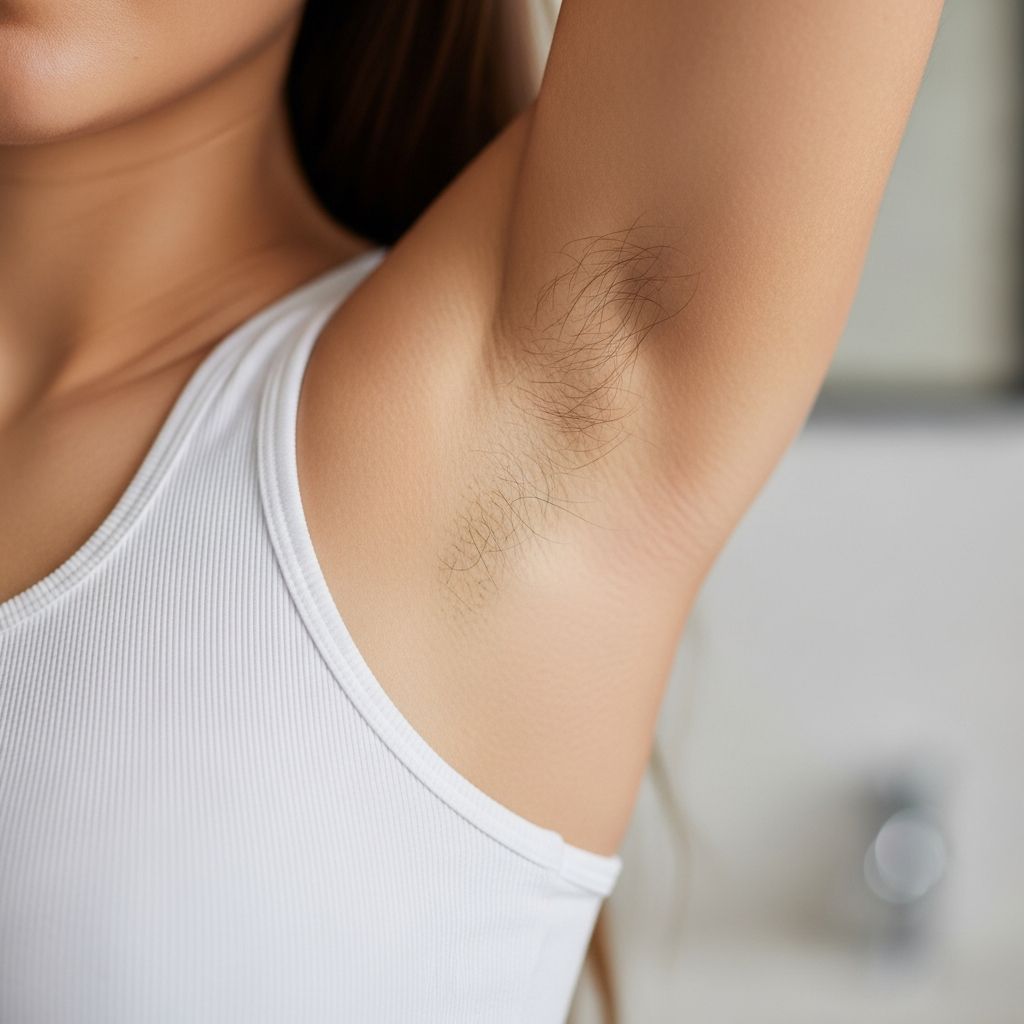
Armpit hair is a natural part of human anatomy, yet societal expectations often push for its removal, especially among women. This article examines the biology, cultural pressures, grooming practices, health implications, and the rising body positivity movement surrounding armpit hair.
What Is Armpit Hair and Why Do We Have It?
Armpit hair, or axillary hair, develops during puberty due to androgens like testosterone. It serves evolutionary purposes, including pheromone dispersal through apocrine sweat glands concentrated in the underarm area. These glands produce sweat rich in steroids, lipids, and proteins that armpit hair helps trap and spread, potentially aiding mate attraction in ancestors.
While its role today is less clear, armpit hair protects sensitive skin from friction, absorbs moisture to reduce chafing, and may regulate body temperature. Both men and women have it, but men typically have thicker, coarser hair due to higher androgen levels. Contrary to myths, armpit hair does not cause more body odor; bacteria breaking down sweat do. Shaving may make regrowth feel coarser due to blunt tips, but it doesn’t change hair thickness.
The Cultural History of Armpit Hair Removal
Body hair removal isn’t innate. In the early 20th century, Gillette’s 1915 ad campaign targeted women, linking smooth underarms to femininity amid rising sleeveless fashion. By the 1940s, 98% of U.S. women removed armpit hair. Men faced less pressure until recent ‘manscaping’ trends.
A Men’s Health survey of 4,044 men found 68% trim armpit hair: 52% for aesthetics, 16% for athletics. Cultural shifts vary globally; in Europe and parts of Asia, women often keep natural armpit hair. Today, body positivity challenges these norms, with celebrities like Miley Cyrus and Julia Roberts sporting armpit hair on red carpets.
Is Armpit Hair Removal Necessary?
No, armpit hair removal is a personal choice, not a hygiene requirement. It doesn’t increase odor but can trap sweat, prompting more frequent washing. Benefits of removal include a cleaner feel in hot weather and aesthetic preferences. However, keeping it natural aligns with body acceptance movements.
- Aesthetics: Many prefer smooth look for clothing like tank tops.
- Comfort: Reduces sweat retention for some athletes.
- Hygiene: Easier deodorant application, though not essential.
How to Groom Armpit Hair: Dos and Don’ts
Grooming armpit hair safely prevents irritation. Experts recommend trimming before shaving to avoid razor clogs.
Trimming Tips
Start with scissors or clippers. Leave at least 3/4 inch to prevent prickly stubble; use a #4 guard (about 1/2 inch) for beginners. Trim dry, then assess length. Celebrity groomers advise going slowly due to the underarm’s concave shape, prone to nicks.
Shaving Best Practices
Shave wet in the shower; hot water softens hair. Use shaving cream or gel, not soap. Shave in multiple directions—up, down, sideways—as hair grows multidirectionally. Opt for sharp, pivoting-head razors. Post-shave, apply unscented balm, wait before deodorant.
Related Stories



| Method | Pros | Cons |
|---|---|---|
| Trimming | Quick, low irritation, natural look | Requires regular maintenance |
| Shaving | Smooth finish, inexpensive | Ingrowns, razor burn, frequent regrowth |
| Waxing | Long-lasting (4-6 weeks) | Painful, risk of burns |
| Laser/IPL | Permanent reduction | Expensive, multiple sessions |
Skin Health Impacts of Hair Removal
Hair removal can cause erythema (redness), dryness, and inflammation. A study on Asian women found shaving induces less immediate erythema than waxing but more dryness 30 minutes post-removal (P<0.05). All methods raised IL-1α and IL-1RA cytokines, indicating inflammation, but no barrier damage (TEWL unchanged).
Post-inflammatory hyperpigmentation (PIHP) builds cumulatively, not from single sessions. Ingrown hairs occur when shaved tips curl back; exfoliate with loofahs. Sensitive skin benefits from pre-shave oils and post-balm.
- Avoid alcohol-based products to prevent stinging.
- Exfoliate 2-3 times weekly.
- Moisturize daily for barrier health.
Embracing Body Hair: The Body Positivity Movement
The trend to grow out body hair fosters confidence. One woman’s experience skipping all removal—underarms, legs, bikini—led to greater self-acceptance. Campaigns like #Januhairy encourage winter hair growth.
Benefits include time savings, reduced skin issues, and challenging beauty standards. Platforms like Instagram showcase diverse body hair, normalizing it across genders.
FAQs
Does shaving armpit hair make it grow back thicker?
No. It appears coarser due to blunt ends, but diameter remains unchanged.
Is armpit hair unhygienic?
Not at all. Wash regularly; hair doesn’t cause odor—bacteria on sweat do.
How often should I trim armpit hair?
Every 1-2 weeks, depending on growth rate.
Can laser hair removal permanently stop armpit hair?
It reduces growth by 70-90% after 6-8 sessions, but maintenance may be needed.
Why do some people have more armpit hair?
Genetics, hormones (PCOS in women), ethnicity influence density and growth.
Conclusion
Armpit hair is normal and functional. Whether grooming or embracing it, prioritize skin health and personal comfort. Cultural norms evolve, empowering choice.
References
- Armpit Grooming: 101 The Dos And Dont’s — Bevel. 2023. https://getbevel.com/blogs/articles/armpit-grooming-101-the-dos-and-donts
- Why Men Should Shave Their Armpits — Men’s Health. 2023. https://www.menshealth.com/style/a19547599/why-men-should-shave-armpits/
- The impact of different hair‐removal behaviours on the biophysical… — PMC (Wiley). 2021-03-04. https://pmc.ncbi.nlm.nih.gov/articles/PMC7984395/
- I Gave Up All Hair Removal And It Made Me More Confident — Women’s Health. 2024. https://www.womenshealthmag.com/beauty/a62490139/grow-out-body-hair/
Similar Articles








Read full bio of Sneha Tete