Can You Sleep With A Tampon In: 6 Safe Overnight Tips
Can you safely sleep with a tampon in? Experts break down the risks, safety tips, and best alternatives for overnight menstrual protection.
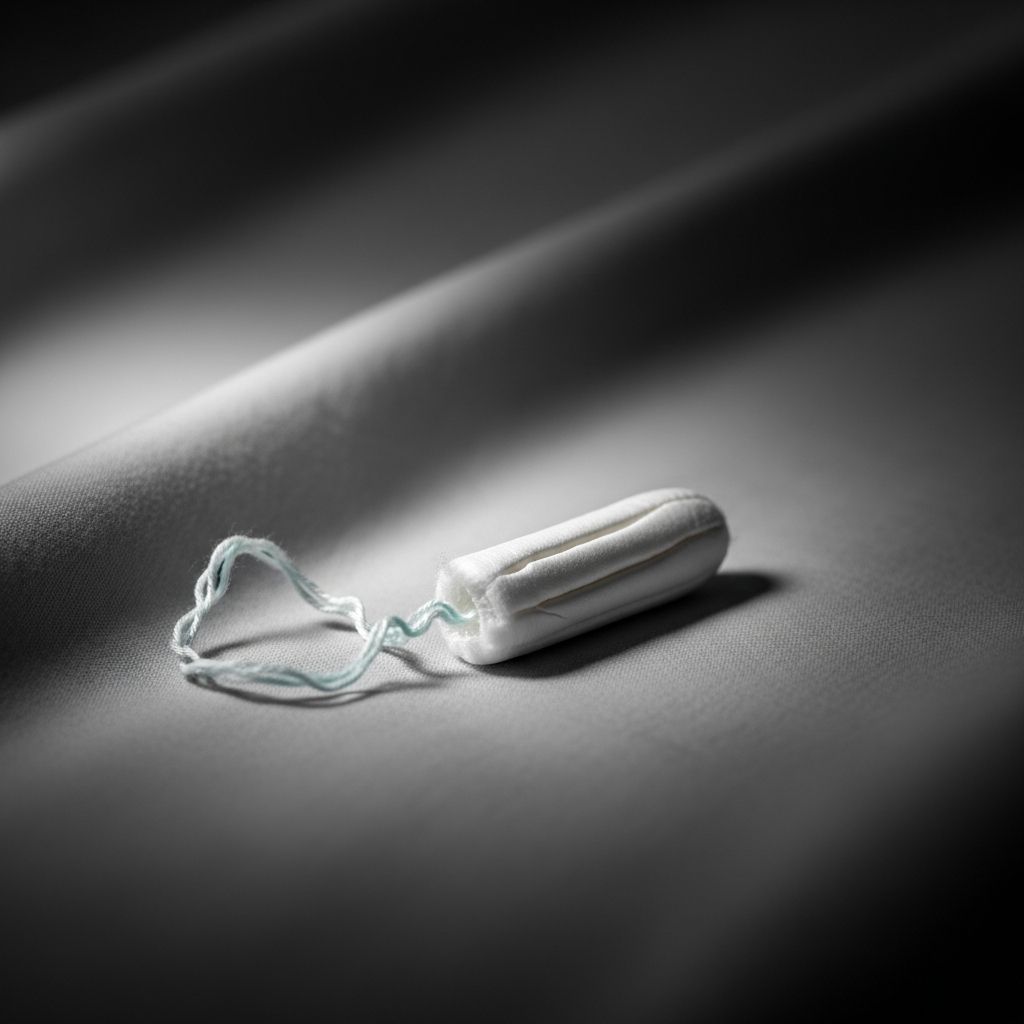
Many people who menstruate have wondered: can you sleep with a tampon in? It’s a common question, especially for those long nights when changing it mid-sleep feels impossible. While tampons are a popular choice for managing periods due to their discreetness and effectiveness, concerns about safety—particularly
toxic shock syndrome (TSS)
—loom large. This article dives deep into the facts, drawing from medical experts, FDA guidelines, and recent research to help you make informed choices for overnight protection.Spoiler: It’s generally safe under specific conditions, but there are crucial rules to follow. We’ll cover the risks, best practices, alternatives, and how to spot trouble. By the end, you’ll know exactly how to handle your flow while catching those Zzz’s without worry.
What the Experts Say About Sleeping With Tampons
Health authorities like the
U.S. Food and Drug Administration (FDA)
confirm that tampons are safe for use during sleep, provided you adhere to strict guidelines. The key rule? Never wear a tampon for more than8 hours total
, asleep or awake. This limit is non-negotiable because prolonged use creates a warm, moist environment that can foster bacterial growth, potentially leading to TSS—a rare but serious condition.A 2020 study found that the risk of TSS triples for those sleeping with a tampon beyond 8 hours. However, the overall incidence of tampon-related TSS has plummeted since the 1980s thanks to improved manufacturing and awareness; the FDA notes a sharp decline in reports. Still, vigilance is essential. Gynecologists recommend inserting a fresh tampon right before bed and using the
lowest absorbency
that matches your flow—light for spotting, regular for moderate, super for heavy days.“Tampons are designed for 4-8 hours of use. Sleeping with one is fine if you time it right,” explains guidance from Medical News Today. Brands must label absorbency levels per FDA regulations, helping users select appropriately. Always wash hands before insertion to minimize infection risks.
The Real Risks: Toxic Shock Syndrome (TSS) Explained
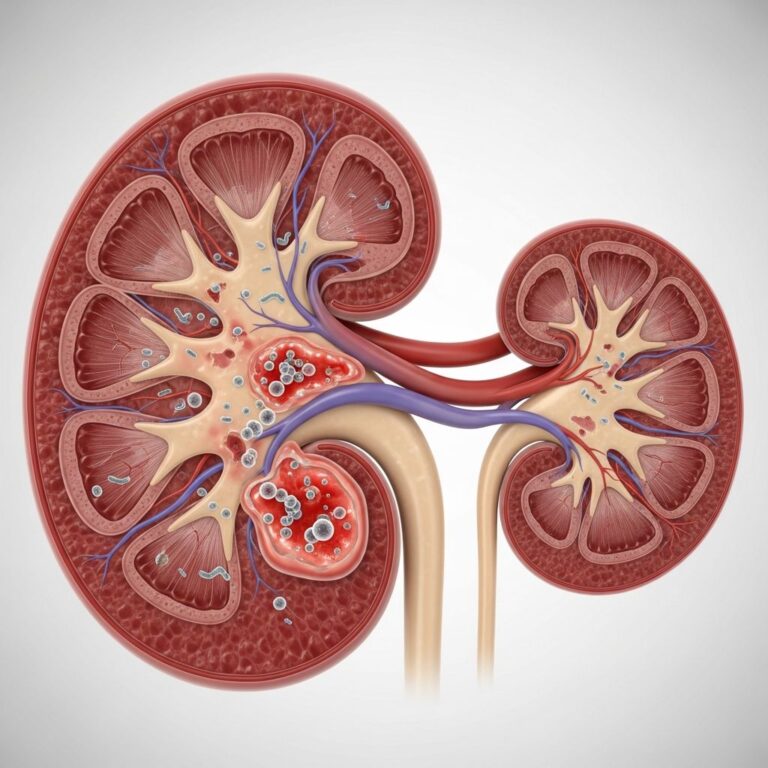
**Toxic shock syndrome** is the elephant in the room. Caused by toxins from *Staphylococcus aureus* bacteria, TSS symptoms strike fast: sudden high fever (over 102°F), vomiting, diarrhea, muscle aches, low blood pressure, sunburn-like rash, and in severe cases, organ failure. It’s life-threatening if untreated, but early antibiotics often resolve it.
Why tampons? They absorb not just blood but vaginal mucus, potentially causing micro-tears that let bacteria enter the bloodstream—especially with high-absorbency types left in too long. A 2023 review reaffirmed this link, though modern tampons are safer. Menstrual cups carry a lower TSS risk per some studies, but cases exist. Risk factors include young age, first-time use, and staying in tampons during light flow.
Bottom line: TSS is rare (far less common than car accidents), but preventable. If symptoms appear, remove the tampon immediately and seek emergency care.
Safety Tips for Overnight Tampon Use
To sleep soundly with a tampon:
- Time it precisely: Insert just before bed; set a 7-8 hour alarm as backup.
- Choose low absorbency: Switch down if it isn’t soaked after 4-6 hours.
- Hygiene first: Clean hands thoroughly; follow package directions.
- Alternate products: Use pads overnight occasionally to give your body a break.
- Monitor signs: Change if leaking, dry/hard to remove, or uncomfortable.
- End-of-period rule: Remove the last tampon promptly; don’t use outside menstruation.
Related Stories



These habits slash risks dramatically. Pro tip: Keep supplies bedside for quick changes.
Best Alternatives for Long Nights or Heavy Sleepers
If 8 hours feels tight—or you fear leaks—skip tampons at night. Here’s a comparison:
| Product | Pros | Cons | TSS Risk | Best For |
|---|---|---|---|---|
| Pads | No insertion; easy changes; zero TSS risk | Bulkier; possible leaks if active sleeper | None | Light-moderate flow; beginners |
| Menstrual Cups | Up to 12 hours; reusable; eco-friendly | Learning curve; requires cleaning | Low (but possible) | Heavy flow; long sleepers |
| Period Panties | Comfortable; washable; leak-proof layers | Higher upfront cost | None | All flows; active sleep |
| Disposable Underwear | Convenient; high absorbency | Less eco; cost adds up | None | Travel/heavy nights |
Menstrual cups shine for 10-12 hour wear, with a 2023 review noting lower TSS odds than tampons. Rinse with soap/water between uses; boil for sterilization. Pads are foolproof—no clock-watching needed. Reusables save money long-term but demand hygiene access.
Common Myths Busted
- Myth: Tampons get ‘lost’ inside. Impossible—the cervix blocks them. Use string retriever or squat/reach if worried.
- Myth: All TSS comes from tampons. Nope—wounds or cups too, though tampons are top culprit.
- Myth: Organic tampons are safer. No evidence; all regulated by FDA.
- Myth: Heavy sleepers can’t use them. Can, with alarms or switches to pads.
Frequently Asked Questions (FAQs)
Can you sleep with a tampon in for 10 hours?
No—exceeding 8 hours raises TSS risk significantly. Opt for pads or cups.
What if I forget and sleep longer?
Remove ASAP upon waking; monitor for TSS symptoms like fever/rash. See a doctor if concerned.
Are tampons safe for side/back sleeping?
Yes, position doesn’t matter if guidelines followed. Pads better for heavy movers.
Can menstrual cups cause TSS?
Rarely—clean properly. Lower risk than tampons per studies.
How do I know my absorbency level?
Test: If not full in 4-6 hours, go lower. Packaging lists volumes (e.g., regular <6g fluid).
Final Thoughts: Prioritize Safety and Comfort
Sleeping with a tampon is doable and safe with discipline: 8-hour max, low absorbency, hygiene. But alternatives like cups or pads offer peace of mind for longer slumbers. Listen to your body—experiment to find your best fit. Menstrual health is personal; armed with facts, you can rest easy.
For persistent worries or symptoms, consult a gynecologist. Stay informed, stay protected.
References
- Sleeping with a tampon in: Safety, risks, and alternatives — Medical News Today. 2023. https://www.medicalnewstoday.com/articles/can-you-sleep-with-a-tampon-in
- Can You Sleep with a Tampon In? Safety, History, and More — Healthline. 2023. https://www.healthline.com/health/womens-health/can-you-sleep-with-a-tampon-in
- Can You Sleep With a Tampon In? — Sleep Foundation. 2023. https://www.sleepfoundation.org/sleep-faqs/can-you-sleep-with-a-tampon-in
- Can You Sleep With a Tampon In? Here’s What the Experts Say — Women’s Health Magazine. 2023. https://www.womenshealthmag.com/uk/health/female-health/a30175081/can-you-sleep-with-tampon-in/
Similar Articles








Read full bio of Sneha Tete