Is It Safe to Brush Teeth With Baking Soda?
Discover the benefits, risks, and safe ways to use baking soda for whiter teeth and better oral hygiene without harming enamel.
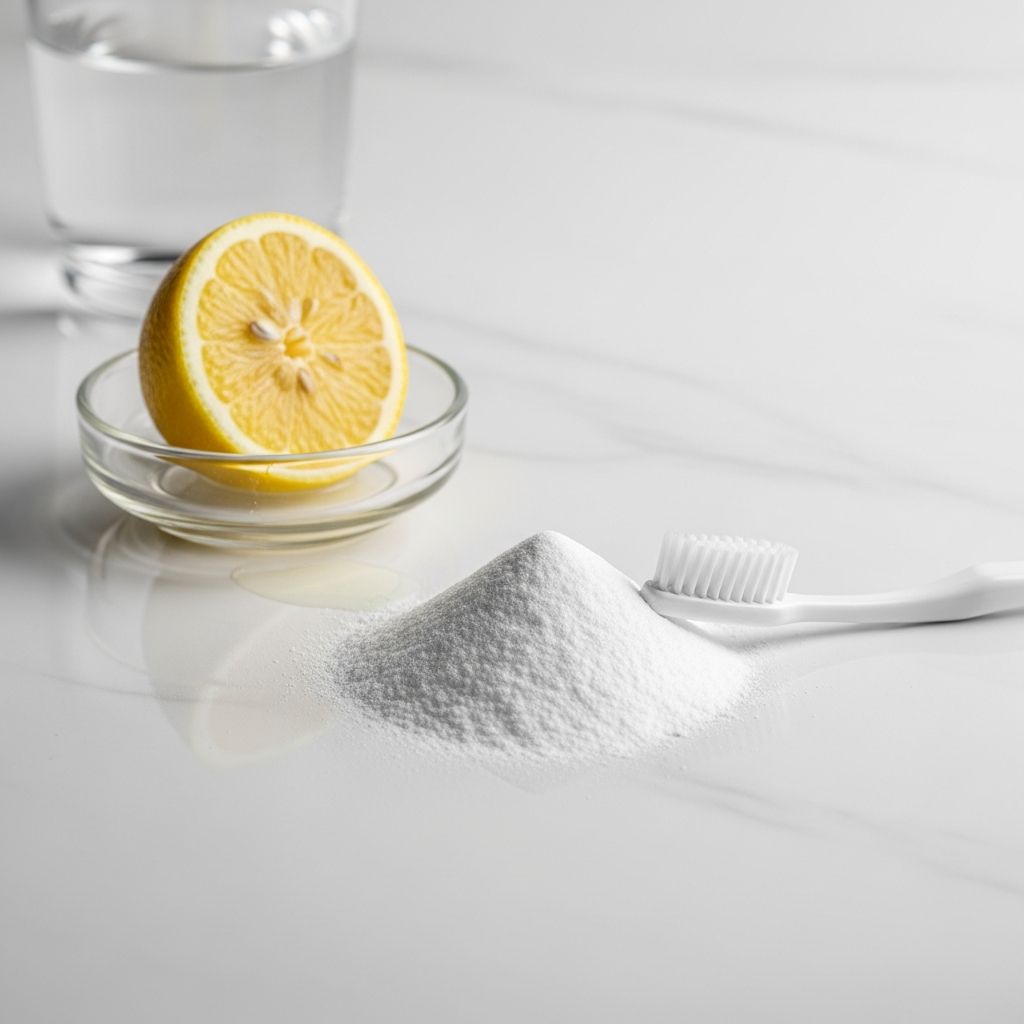
Baking soda, or sodium bicarbonate, is a household staple known for its versatility in cleaning, baking, and deodorizing. Many people wonder if it’s safe and effective for brushing teeth due to its mild abrasive properties and ability to neutralize acids. While it can whiten teeth and reduce plaque, improper use risks enamel erosion and lacks essential fluoride protection. This article examines the science, benefits, drawbacks, safe methods, and alternatives to help you decide if baking soda fits your oral care routine.
What Is Baking Soda?
Baking soda is sodium bicarbonate (NaHCO₃), a white crystalline powder that acts as a leavening agent in baking by releasing carbon dioxide when mixed with acids. In oral care, its mildly alkaline nature (pH around 8.3) neutralizes mouth acids produced by bacteria, which contribute to bad breath, cavities, and gum issues. It’s found in many commercial toothpastes for these reasons but raises questions when used alone as a toothpaste substitute.
Unlike harsher abrasives, baking soda scores low on the Relative Dentin Abrasivity (RDA) scale at just 7, making it gentler than many whitening agents (RDA 100+). However, its gritty texture requires careful use to avoid long-term damage.
Benefits of Using Baking Soda for Teeth
Baking soda provides several evidence-based advantages for oral health when incorporated thoughtfully into routines.
- Teeth Whitening: As a mild abrasive, it polishes away surface stains from coffee, tea, and tobacco without the harshness of chemical whiteners. Studies show toothpastes with baking soda remove more extrinsic stains than non-baking soda formulas.
- Plaque and Gingivitis Reduction: It disrupts bacterial biofilms (plaque) by physically scrubbing and creating an alkaline environment that inhibits acid-loving bacteria. This reduces gingivitis risk and plaque acidity.
- Bad Breath Control: By neutralizing acids from food particles, it combats halitosis effectively, balancing oral pH for fresher breath.
- Bacteria Control: Antibacterial properties limit harmful bacteria growth without disrupting beneficial oral microbiome.
- Fluoride-Free Option: Ideal for those avoiding fluoride due to sensitivity or preference, though it doesn’t replace fluoride’s cavity protection.
Risks and Downsides of Brushing With Baking Soda
Despite benefits, baking soda isn’t a complete toothpaste replacement. Key concerns include:
- Enamel Erosion: Daily vigorous brushing erodes protective enamel over time, exposing sensitive dentin and increasing decay risk. Even its low RDA can harm with aggressive technique.
- No Fluoride: Lacks remineralizing fluoride, essential for strengthening enamel and preventing cavities. ADA-approved toothpastes include it for proven protection.
- Gum Irritation: Abrasiveness may inflame gums, especially with receding gums or hard brushing (‘zombie brushing’).
- Inadequate Plaque Control Long-Term: Breaks up plaque but doesn’t kill bacteria fully or prevent buildup without fluoride and other agents.
- Other Issues: Can weaken orthodontic glue, wear porcelain crowns, or taste unpleasant (salty, gritty).
Myths like aluminum content are unfounded; pure baking soda contains none.
Is Baking Soda Too Abrasive for Teeth?
Baking soda’s abrasiveness is often debated. On the RDA scale:
| Substance | RDA Value | Classification |
|---|---|---|
| Baking Soda | 7 | Very Low |
| Regular Toothpaste | 70-100 | Low-Medium |
| Whitening Toothpastes | 100-200 | High |
| Charcoal Powder | >150 | Very High |
At RDA 7, it’s safer than most but risky for enamel if used daily alone or aggressively. Conscious brushing (gentle pressure, 2 minutes) minimizes harm. Those with thin enamel, recession, or restorations should avoid direct use.
How to Use Baking Soda Safely for Teeth
For benefits without risks, follow these guidelines:
- Mix a Paste: Combine 1 tsp baking soda with 2 tsp water for a low-abrasion paste. Use 2-3 times weekly, not daily.
- Gentle Technique: Apply softly with a soft-bristle brush. Avoid hard scrubbing; most abrasion occurs in first 20 seconds.
- Combine with Toothpaste: Use baking soda-boosted toothpastes with ADA Seal, fluoride, and controlled abrasives.
- Rinse Method: Swish ½ tsp in water post-meals to neutralize acids without brushing abrasion.
- Avoid If: You have braces, retainers, crowns, or gum issues. Consult a dentist first.
Related Stories



Limit to occasional whitening; pair with fluoride routine for comprehensive care.
Best Baking Soda Toothpastes and Alternatives
Commercial options balance baking soda with fluoride:
- Arm & Hammer Advance White: Proven stain removal, ADA-accepted.
- Colgate Baking Soda & Peroxide: Whitens safely.
- Natural alternatives: Coconut oil pulling or hydroxyapatite toothpaste for remineralization.
For fluoride-free: Xylitol mints or hydroxyapatite rebuilds enamel naturally.
What Do Dentists Say About Baking Soda?
Dentists agree it’s beneficial in moderation but not a standalone. The ADA endorses baking soda toothpastes for safety/efficacy. Experts warn against solo daily use due to fluoride absence and abrasion risks. Conscious brushing is key to avoiding ‘zombie brushing’ damage.
Frequently Asked Questions (FAQs)
Can baking soda whiten teeth?
Yes, it removes surface stains effectively as a mild abrasive, outperforming some toothpastes in studies, but won’t change intrinsic color.
Does baking soda contain fluoride?
No, pure baking soda has no fluoride, so it doesn’t prevent cavities like standard toothpastes.
Is baking soda safe for daily use?
Not recommended alone daily; limit to 2-3 times weekly to prevent enamel wear. Use in formulated toothpastes for safety.
Can baking soda damage gums?
Possible with aggressive brushing, especially if receding. Gentle use is safe.
Does baking soda have aluminum?
No, this is a myth; sodium bicarbonate is aluminum-free.
Is baking soda better than charcoal for whitening?
Yes, much less abrasive (RDA 7 vs. 150+), safer for enamel.
In summary, baking soda enhances oral hygiene when used wisely—whitening, neutralizing acids, and fighting plaque—but pair it with fluoride toothpaste for full protection. Always prioritize gentle habits and professional advice for a healthy smile.
References
- Is It Safe to Brush Your Teeth With Baking Soda? — Boyett Family Dentistry. 2023. https://boyettfamilydentistry.com/safe-brush-your-teeth-baking-soda/
- Baking Soda as Toothpaste and for Whitening: Pros, Cons, How-to — Healthline. 2023-10-15. https://www.healthline.com/health/baking-soda-toothpaste
- Is Baking Soda safe to brush with? — Preferred Family Dental. 2024. https://www.pfdent.com/practice-news/is-baking-soda-safe-to-brush-with/
- Can Baking Soda Improve Your Oral Health? — Perry Dental Health. 2023. https://perrydentalhealth.com/can-baking-soda-improve-your-oral-health/
Similar Articles








Read full bio of medha deb