Liquid Chlorophyll: Is It Safe To Drink? Expert Guide
Discover the potential benefits, risks, and scientific evidence behind the trending liquid chlorophyll supplements for health and wellness.
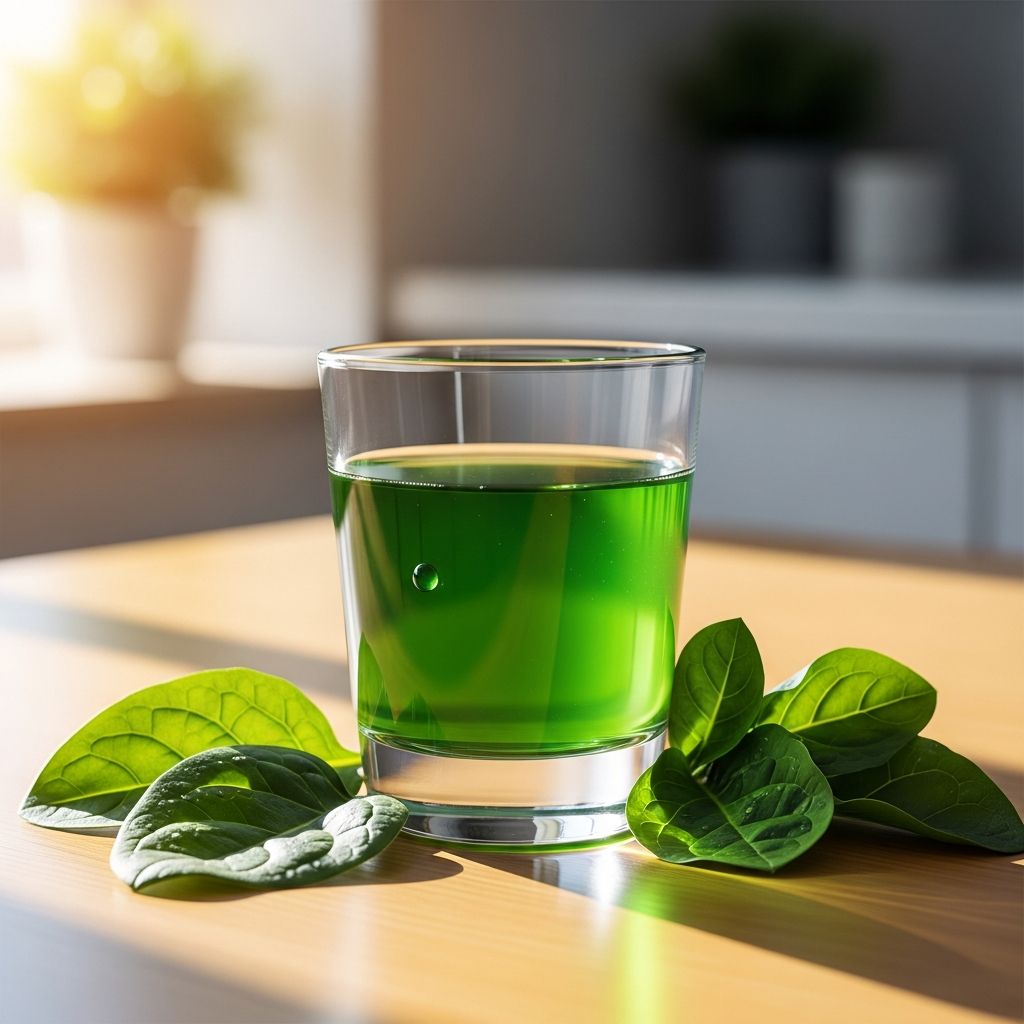
Liquid chlorophyll, the green pigment found in plants, has exploded in popularity on social media platforms like TikTok, where influencers tout it as a detox miracle, skin clearer, and weight loss aid. But is this trendy supplement truly safe and effective? This article dives into the science behind liquid chlorophyll, exploring its potential benefits, risks, side effects, and whether it’s worth adding to your water routine.
What Is Liquid Chlorophyll?
Chlorophyll is the natural compound responsible for the green color in plants, enabling photosynthesis by absorbing sunlight. Liquid chlorophyll supplements typically contain chlorophyllin, a water-soluble derivative of chlorophyll that’s easier for the body to absorb. Unlike natural chlorophyll bound to magnesium, chlorophyllin is often bound to copper or sodium for stability in liquids or tablets.
These supplements are marketed in dropper bottles, added to water for a vibrant green hue. While plants provide chlorophyll through greens like spinach and kale, supplements offer a concentrated form without eating pounds of vegetables. However, most research focuses on chlorophyllin rather than pure chlorophyll, and human studies remain limited.
Potential Benefits of Liquid Chlorophyll
Proponents claim liquid chlorophyll boosts energy, detoxifies the body, improves skin, aids weight loss, and even fights cancer. But what does the evidence say? Most benefits are anecdotal or drawn from small, preliminary studies.
Detoxification and Antioxidant Effects
Chlorophyllin may bind to toxins like aflatoxins (produced by mold on foods), reducing their absorption. A study in high-risk areas for liver cancer found that 100 mg of chlorophyllin three times daily reduced aflatoxin-DNA adducts by 55% over four months. Animal studies suggest it prevents cancer-causing pathways, but human data is inconclusive.
Skin Health and Wound Healing
Topical chlorophyllin ointments have shown promise in small studies for reducing inflammation and bacterial growth in wounds. It may also combat acne and redness due to anti-inflammatory properties. However, larger trials are needed.
Weight Loss Support
A small study of 38 women found a green plant membrane supplement (containing chlorophyll) led to more weight loss than placebo. Chlorophyll may suppress hunger or improve metabolism, but evidence is limited and not specific to liquid forms.
Other Claimed Benefits
- Body Odor and Bad Breath: Historically used for this; FDA allows up to 300 mg daily for odor control in adults over 12.
- Cancer Prevention: Lab and animal studies hint at benefits for colon, liver, pancreatic, and lung cancers, but no strong human evidence.
- Anti-Inflammatory: May reduce arthritis inflammation; supported by antioxidant properties.
- Energy and Immunity: Anecdotal claims, little research.
Experts like those from Cleveland Clinic emphasize that while chlorophyll has antioxidants, it’s no cure-all. Benefits from veggies likely come from fiber and nutrients, not just chlorophyll.
Is Liquid Chlorophyll Safe?
Chlorophyllin is generally recognized as safe by experts when used in moderation. The FDA notes no toxic effects from decades of use, with safe doses of 100-300 mg daily for adults. Oregon State University research confirms this. However, supplements aren’t FDA-regulated, so quality varies—check for third-party testing.
Related Stories



Pregnant or breastfeeding individuals should avoid it due to lack of safety data. Consult a doctor if on medications, as it may interact or increase sun sensitivity.
Side Effects of Drinking Liquid Chlorophyll
While rare, side effects can occur, especially at high doses:
- Digestive Issues: Diarrhea, nausea, stomach cramps, green/yellow/black stools (harmless but alarming).
- Skin Reactions: Itching, burning (topical); photosensitivity increasing sunburn risk.
- Teeth Staining: Temporary green tint, removable by brushing.
- Other: Vomiting, colored urine/tongue.
Stick to 100-200 mg daily to minimize risks.
How to Take Liquid Chlorophyll
Dosage: 100-200 mg (about 1 tsp) daily, mixed in water or smoothies. Don’t exceed 300 mg.
| Form | Typical Dose | Best Taken |
|---|---|---|
| Liquid Drops | 10-20 drops (100-200 mg) | Mixed in 8-16 oz water |
| Powder | 1 tsp | In smoothies/juice |
| Tablets | 100 mg | With meals |
Start low to assess tolerance. Store in cool, dark place.
Chlorophyll vs. Eating Greens
Experts recommend getting chlorophyll from food: spinach, kale, parsley, wheatgrass. A produce-rich diet provides fiber, vitamins, and synergy absent in supplements. It’s cheaper, safer, and backed by robust evidence for health benefits.
Expert Opinions
“Plants need chlorophyll far more than we do. It’s really not necessary for humans. But if you wanted to try it, there’s no real harm.” — Cleveland Clinic expert
MD Anderson notes popularity but urges caution without strong evidence. GoodRx: Limited human research; prioritize veggies.
Frequently Asked Questions (FAQs)
Is it safe to drink liquid chlorophyll every day?
Yes, at 100-300 mg daily for adults over 12, per FDA guidelines. Consult a doctor for personalized advice.
Can liquid chlorophyll help with weight loss?
Limited evidence from small studies; not a proven solution. Combine with diet/exercise.
Does liquid chlorophyll detox the body?
May bind some toxins like aflatoxins, but human evidence is preliminary.
Is liquid chlorophyll safe during pregnancy?
No—lack of studies; avoid.
Why does liquid chlorophyll turn my stool green?
Harmless pigmentation from the supplement; it passes through the digestive system.
What’s the difference between chlorophyll and chlorophyllin?
Chlorophyllin is a semi-synthetic, water-soluble version used in supplements.
Bottom Line: Should You Drink Liquid Chlorophyll?
Liquid chlorophyll is likely safe in moderation but lacks robust evidence for most claims. It’s not a substitute for a balanced diet rich in greens. If curious, start small after consulting a healthcare provider—especially with health conditions or meds. For real benefits, eat your greens.
References
- Can Chlorophyll Supplements Benefit Your Health? — Cleveland Clinic. 2023. https://health.clevelandclinic.org/are-there-health-benefits-to-using-liquid-chlorophyll
- Liquid Chlorophyll Benefits and Risks — Healthline. 2023. https://www.healthline.com/health/liquid-chlorophyll-benefits-risks
- Liquid Chlorophyll: Are the Benefits Real? — GoodRx. 2024. https://www.goodrx.com/well-being/supplements-herbs/liquid-chlorophyll-water
- Liquid Chlorophyll Benefits and Side Effects — Delta Dental (Grin Magazine). 2021. https://www.grinmag.com/mc/ddma/2021-news/is-liquid-chlorophyll-right-for-you/
- Enhancing Health Benefits through Chlorophylls — PubMed Central (PMC). 2023. https://pmc.ncbi.nlm.nih.gov/articles/PMC10384064/
- 6 Things to Know About Chlorophyll — MD Anderson Cancer Center. 2023. https://www.mdanderson.org/cancerwise/what-are-the-benefits-of-drinking-chlorophyll-6-things-to-know.h00-159460056.html
Similar Articles








Read full bio of Sneha Tete