Is It Safe to Eat Strawberries If Some Have Mold?
Discover expert advice on handling moldy strawberries: when to toss them, when to salvage, and safe storage tips to keep your berries fresh longer.
Strawberries are a beloved fruit, packed with vitamins, antioxidants, and natural sweetness that make them a staple in smoothies, salads, and desserts. But what happens when you open a container and spot fuzzy white or gray patches on a few berries? Does one moldy strawberry spoil the entire bunch, or can you safely salvage the rest? This comprehensive guide draws on expert advice from pediatric infectious diseases specialist Dr. Nipunie Rajapakse at Mayo Clinic to address these common concerns. We’ll cover mold identification, safety guidelines for consumption, health risks, proper storage techniques, and frequently asked questions to help you make informed decisions and minimize waste.
What Causes Mold on Strawberries?
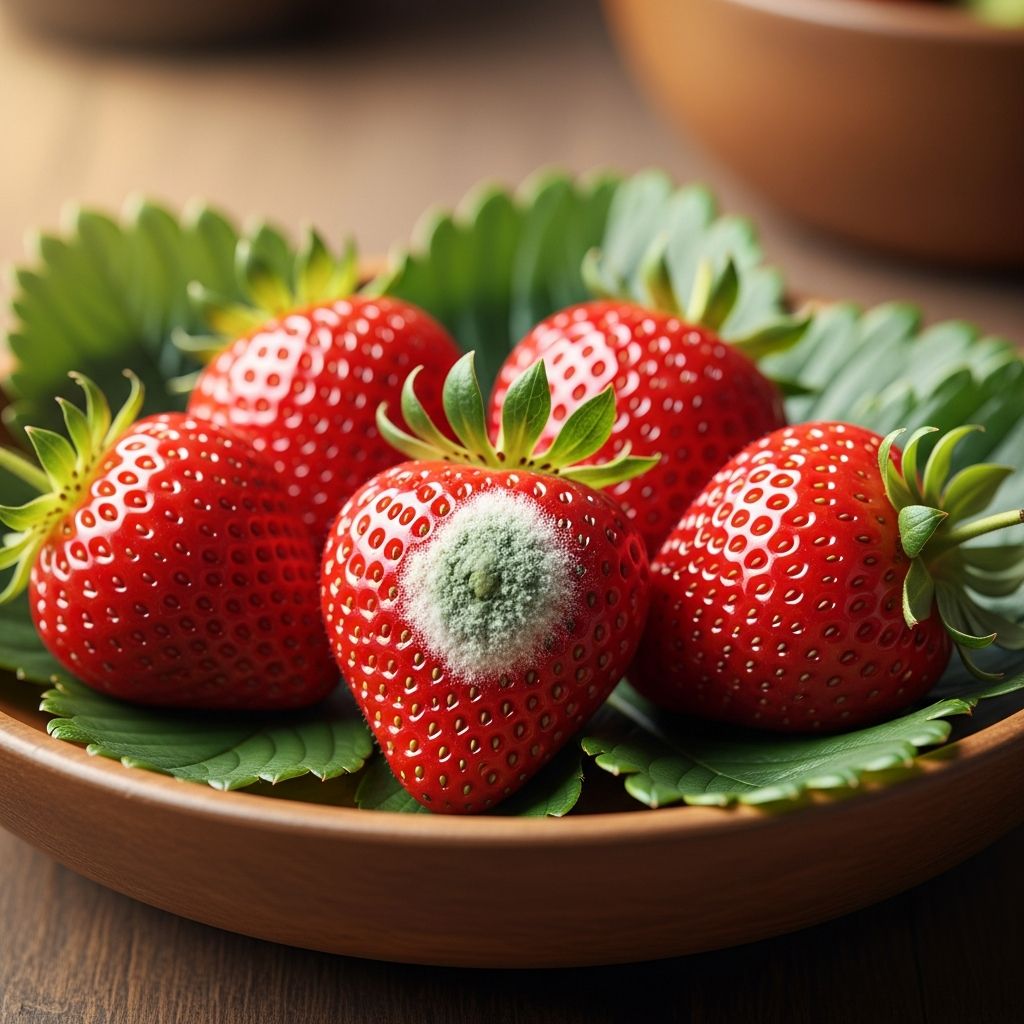
Mold thrives in moist, humid environments rich in organic material, making strawberries particularly susceptible. These juicy berries have high water content—about 91%—and thin skins that provide little barrier against airborne mold spores. Common culprits include Botrytis cinerea (gray mold), which appears as fuzzy gray patches, and Mucor or Rhizopus species that form white, cottony growths. These molds are ubiquitous in nature, often hitching a ride from the field to your fridge via dirt, damaged fruit, or improper storage.
Strawberries are typically harvested ripe, increasing vulnerability during transport and retail display. Once home, factors like overcrowding in containers, excess moisture from rinsing without drying, or temperature fluctuations accelerate growth. Dr. Rajapakse notes, “Molds are very common in our environment. And they tend to thrive in areas where there’s a lot of moisture and organic material.” Understanding this helps prevent mold rather than just reacting to it.
Does One Moldy Strawberry Spoil the Whole Bunch?
The short answer from Mayo Clinic experts: not necessarily. A few moldy berries don’t doom the entire container. Dr. Rajapakse advises inspecting closely: discard any with visible mold and those in direct contact, as invisible mycelium (mold roots) can spread undetected to adjacent fruit. “Throw out the ones that look visibly moldy as well as any that might have been touching them,” she recommends.
If more than a quarter of the strawberries show signs of mold—such as fuzz, discoloration, or softening—toss the lot to err on the side of caution. However, healthy-looking berries that remain firm, brightly colored, and mold-free can often be saved. Key inspection tips include:
- Visual check: Look for white fuzz, gray patches, or black spots.
- Touch test: Soft, mushy, or leaking berries harbor hidden mold.
- Smell test: A fermented or off odor signals deeper contamination.
- Cluster evaluation: Isolate good berries immediately to halt spread.
This approach balances food safety with reducing waste, as berries are nutritious sources of potassium, vitamin C, vitamin K, and gut-healthy fiber.
Is It Safe to Eat Strawberries with a Little Mold?
For the healthy berries you’ve salvaged, thorough washing is essential. Rinse under cool running water, gently rubbing to remove residue, then pat dry completely with paper towels. Avoid soaking, as it reintroduces moisture. Dr. Rajapakse confirms that well-washed, undamaged berries are “probably OK to eat.”
Related Stories



What if you’ve already eaten a moldy one? Small amounts are unlikely to cause illness. “It’s unlikely to make you sick if you consume a small amount of mold,” says the expert. Only large quantities might trigger digestive upset like stomachache, nausea, or vomiting—and even then, it’s uncommon. Mycotoxins (mold toxins) are a concern in some grains or nuts, but fruit molds like those on strawberries rarely produce harmful levels in small exposures. Vulnerable groups—infants, elderly, pregnant individuals, or immunocompromised people—should avoid any suspect fruit.
| Scenario | Action | Risk Level |
|---|---|---|
| 1-2 visibly moldy in a pint | Discard moldy + touching berries; wash and eat rest | Low |
| >25% moldy/soft | Discard entire container | Medium-High |
| Ate small moldy piece | Monitor for symptoms; unlikely issue | Low |
| Mold throughout | Throw away | High |
How to Store Strawberries to Prevent Mold
Proper storage extends shelf life from days to a week or more. Fresh strawberries last 3-7 days in the fridge but spoil faster if mishandled. Follow these evidence-based steps:
- Don’t wash until ready to use: Pre-rinsed berries stay wet and mold-prone.
- Vinegar soak for longevity: Mix 1 part white vinegar to 3 parts water; soak berries 1-2 minutes, rinse, dry thoroughly. This kills surface mold spores without altering taste.
- Dry and paper towel layer: Spread on paper towels to absorb moisture; top with another towel in an open container.
- Fridge placement: Store in the coldest part (back of bottom shelf) at 32-36°F; avoid crisper drawers’ humidity.
- Container choice: Use breathable options like colanders or vented plastic; skip sealed bags.
Pro tip: Freeze extras by hulling, washing, drying, and laying flat on a baking sheet before bagging. Dr. Rajapakse endorses vinegar rinsing: “To keep your berries fresher and mold-free longer, rinse them with vinegar and water, and store them on a dry paper towel in an open container in your fridge.”
Health Benefits of Strawberries Worth Saving
Beyond safety, strawberries offer compelling reasons to handle them carefully. A cup provides 150% daily vitamin C, supporting immunity and skin health; 3g fiber for digestion; and anthocyanins, antioxidants linked to heart health and reduced inflammation. Potassium aids blood pressure regulation, while vitamin K supports bone health. Mold prevention preserves these perks, aligning with waste-reduction goals—U.S. households discard about 30% of food annually, much of it produce.
Common Mistakes and Myths About Moldy Fruit
- Myth: Cutting off moldy parts is fine. Reality: Mycelium spreads invisibly; toxins may permeate.
- Myth: Freezing kills mold. Reality: It halts growth but doesn’t eliminate spores.
- Mistake: Storing in original clamshell. Traps ethylene gas and moisture.
- Mistake: Room temperature storage. Accelerates spoilage 10x faster than fridge.
Frequently Asked Questions (FAQs)
What if I see white fuzz on my strawberries—is that mold or just bloom?
White fuzz is typically mold, not natural bloom (which is waxy and minimal on cultivated strawberries). Err on discarding fuzzy ones.
Can I eat strawberries that are soft but mold-free?
Softness indicates ripening or bruising; if no mold or off smell, they’re edible but best used in cooking like jams or smoothies.
How long do washed strawberries last in the fridge?
3-5 days if dried well; vinegar treatment can extend to 7-10 days.
Is mold on organic strawberries more dangerous?
No evidence suggests higher risk; mold types are similar regardless of farming method.
What symptoms require medical attention after eating moldy berries?
Seek help for severe vomiting, diarrhea, fever, or breathing issues—rare but possible in sensitive individuals.
Conclusion: Smart Handling for Safe, Delicious Berries
Spotting mold on strawberries doesn’t have to mean total loss. By discarding affected berries, washing meticulously, and storing smartly, you can enjoy their benefits safely. Empower yourself with these guidelines to cut waste, save money, and savor peak freshness. Next berry haul, implement these tips from the start for mold-free success.
References
- Mayo Clinic Minute: Does one moldy berry spoil the whole bunch? — Mayo Clinic News Network / Dr. Nipunie Rajapakse. 2023 (Accessed 2026). https://newsnetwork.mayoclinic.org/discussion/mayo-clinic-minute-does-one-moldy-berry-spoil-the-whole-bunch/
- Molds on Food: Are They Dangerous? — U.S. Food and Drug Administration (FDA). 2024-05-30. https://www.fda.gov/food/buy-store-serve-safe-food/molds-food-are-they-dangerous
- Food Storage Guidelines for Berries — United States Department of Agriculture (USDA). 2025-02-14. https://www.fsis.usda.gov/food-safety/safe-food-handling-and-preparation/food-safety-basics/fruits-and-vegetables
- Mycotoxins in Fruits and Vegetables — Centers for Disease Control and Prevention (CDC). 2024-11-20. https://www.cdc.gov/mold/mycotoxins.htm
- Strawberry Nutrition Facts — Harvard T.H. Chan School of Public Health. 2023-07-01. https://www.hsph.harvard.edu/nutritionsource/food-features/strawberries/
Similar Articles








Read full bio of medha deb