Is Mac And Cheese Healthy? Nutrition, Risks, Healthier Recipe
Uncover the nutritional truth about mac and cheese: its benefits, risks, healthier swaps, and expert tips for enjoying this classic dish guilt-free.
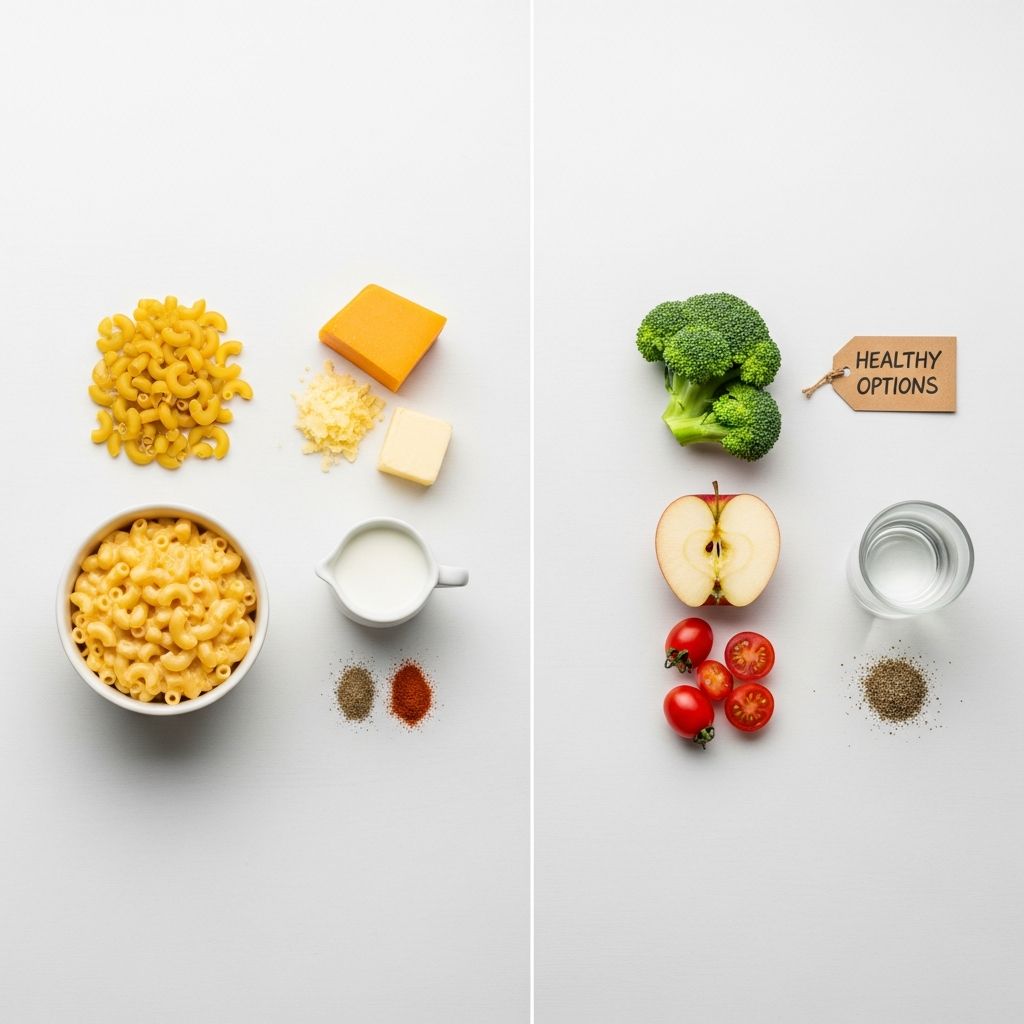
Mac and cheese, the ultimate comfort food, evokes nostalgia and satisfaction for many. But is it healthy? Traditional versions are high in calories, fats, and sodium, yet with smart tweaks, it can fit into a balanced diet. This article breaks down its nutrition, benefits, risks, healthier alternatives, and expert advice.
What Is Mac and Cheese?
Mac and cheese consists of elbow macaroni pasta coated in a creamy cheese sauce made from cheese, milk, butter, and flour. Popular in the U.S., it’s available boxed, frozen, restaurant-style, or homemade. While indulgent, its nutritional profile varies widely by preparation.
Mac and Cheese Nutrition Facts
A typical 100g serving provides about 222 calories, with 25g carbs, 10g protein, 10g fat, and 474mg sodium. Per cup (around 150-250g), calories range from 300-500, fats 9-31g, protein 10-19g, carbs 29-47g, and sodium 600-1200mg.
| Brand/Type | Calories (per serving) | Fat (g) | Protein (g) | Carbs (g) | Sodium (mg) |
|---|---|---|---|---|---|
| Kraft (1 cup) | 376 | 16 | 10 | 47 | 669 |
| Panera Bread | 470 | 31 | 17 | 33 | 1040 |
| Chick-fil-A | 440 | 27 | 19 | 29 | 1200 |
| Daiya (dairy-free, 100g) | 300 | Low | Varies | Varies | Lowest |
These values highlight why moderation is key: high refined carbs and sodium dominate, with limited fiber (1-8g).
Health Benefits of Mac and Cheese
Despite drawbacks, mac and cheese offers upsides when consumed occasionally:
- Sustained energy: Carbs from pasta fuel the body and brain.
- Calcium boost: Cheese provides calcium for bone health.
- Protein support: 10-19g per serving aids muscle repair.
- Satiety potential: High-protein versions (15g+) curb hunger, aiding weight management.
- Comfort factor: Enhances emotional well-being as a satisfying meal.
Health Risks of Mac and Cheese
Frequent indulgence poses concerns:
- High calories: 300-500 per cup promotes weight gain if overeaten.
- Elevated fats: Saturated fats from cheese/butter raise cholesterol and heart disease risk.
- Sodium overload: 600-1200mg per serving contributes to hypertension.
- Low nutrient density: Refined pasta lacks vitamins/minerals; few whole foods.
- Blood sugar spikes: Refined carbs cause crashes, increasing hunger.
The American Heart Association recommends limiting sodium to 2300mg daily, making large servings risky.
Is Mac and Cheese Healthy for Weight Loss?
Traditional mac and cheese hinders weight loss due to high calories, low protein, and easy overeating. However, high-protein, portioned versions (e.g., 15g protein, controlled calories) promote satiety and fit calorie deficits.
- Portion control prevents excess intake.
- Balanced macros provide steady energy.
- Quick prep supports busy lifestyles without derailing goals.
How to Make Mac and Cheese Healthier
Transform this dish with simple swaps:
- Use chickpea or whole-wheat pasta for more protein/fiber.
- Opt for low-fat milk, Greek yogurt, or almond milk instead of cream.
- Incorporate veggies: broccoli, spinach, cauliflower for nutrients.
- Add lean proteins: chicken, tuna, beans.
- Reduce cheese; use strong varieties for flavor punch.
- Bake instead of stovetop to cut butter.
Related Stories



A healthier recipe yields 314 calories per serving: 14g fat, 19g protein, 34g carbs, 8g fiber, 583mg sodium using chickpea pasta, almond milk, and xanthan gum thickener.
Healthier Mac and Cheese Recipe
Ingredients (serves 4):
- 8 oz chickpea pasta
- 1.5 cups unsweetened almond milk
- 1 cup shredded low-fat cheddar
- 1/4 cup nutritional yeast
- 1 tsp xanthan gum
- 2 cups broccoli florets
- Salt, pepper, garlic powder to taste
Instructions:
- Cook pasta and broccoli; drain.
- Heat milk, whisk in xanthan gum until thick.
- Stir in cheese and yeast until melted.
- Mix with pasta/veggies; bake at 350°F for 20 min.
Gluten-free, customizable vegan. Stores 5 days refrigerated. Lower calories, higher fiber/protein than classic.
Nutritionist Tips for Enjoying Mac and Cheese
Experts advise:
- Portion it: Stick to 1 cup max.
- Balance meals: Pair with salad/protein.
- Frequency: Occasional treat, not staple.
- Homemade wins: Control ingredients vs. boxed.
- Mindful eating: Savor slowly to avoid overeating.
Frequently Asked Questions
Is boxed mac and cheese healthy?
No, it’s high in sodium and refined carbs. Choose whole-food versions occasionally.
Can mac and cheese be part of a healthy diet?
Yes, in moderation with veggie/protein boosts and portion control.
How many calories in homemade mac and cheese?
300-500 per cup, depending on ingredients; healthier tweaks lower to ~314.
Is mac and cheese good for weight loss?
High-protein variants aid satiety; traditional ones do not due to calorie density.
What are healthier alternatives to mac and cheese?
Cauliflower mac, zucchini noodles with cheese sauce, or Greek yogurt-based versions.
Final Thoughts
Mac and cheese isn’t inherently healthy but can be enjoyed mindfully. Prioritize nutrient-dense swaps, control portions, and balance with whole foods for guilt-free indulgence.
References
- Mac and Cheese — Nutrients, Health Benefits, and Shopping Tips — Listonic. 2024. https://listonic.com/p/nutrition/mac-and-cheese
- Is Mac and Cheese Healthy for Weight Loss? — Nutmeg State Nutrition. 2024. https://nutmegstatenutrition.com/blogs/news/is-mac-and-cheese-healthy-for-weight-loss
- Mac and Cheese: Calories, Nutrition, and a Recipe — Healthline. 2024-10-15. https://www.healthline.com/nutrition/mac-and-cheese-calories
- Is Mac and Cheese Healthy? Nutrition Tips & Alternatives — GetLabTest. 2024. https://www.getlabtest.com/news/post/is-mac-and-cheese-healthy
- Dietary Guidelines for Americans, 2020-2025 — U.S. Department of Health and Human Services / U.S. Department of Agriculture. 2020-12-31. https://www.dietaryguidelines.gov/sites/default/files/2020-12/Dietary_Guidelines_for_Americans_2020-2025.pdf
- Sodium in Your Diet — FDA. 2024-01-29. https://www.fda.gov/food/nutrition-education-resources-materials/sodium-your-diet
Similar Articles








Read full bio of Sneha Tete