Is Miso Healthy? Complete Guide To Benefits, Risks, And Uses
Discover the nutritional benefits of miso, from probiotics and antioxidants to potential cancer risk reduction, balanced against its high sodium content.
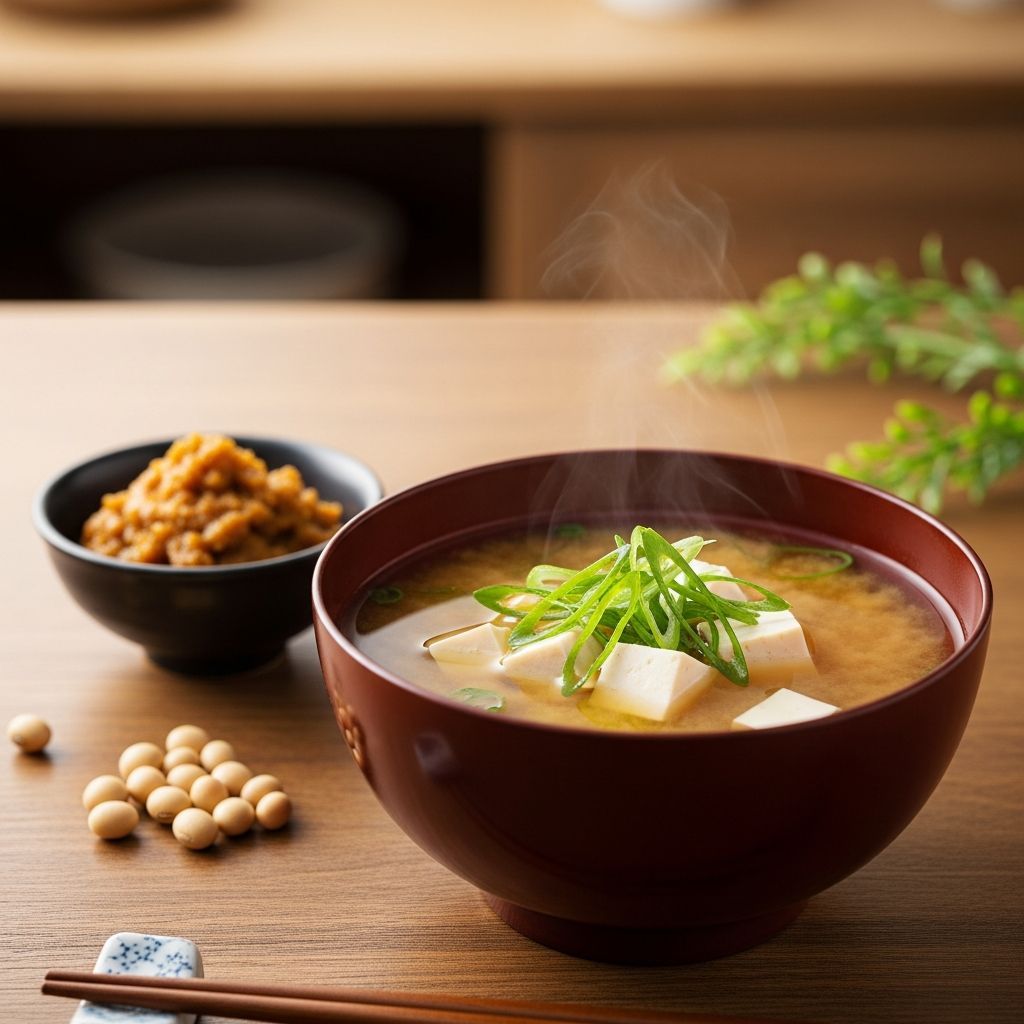
Miso, a traditional Japanese fermented soybean paste, has gained popularity worldwide for its umami flavor and potential health benefits. Made through fermenting soybeans with salt and koji mold, miso is rich in probiotics, antioxidants, and essential nutrients. This article examines its nutritional profile, health advantages, risks, and practical uses to determine if miso deserves a spot in your diet.
What Is Miso?
Miso is a thick paste produced by fermenting soybeans with a fungus called Aspergillus oryzae (koji), salt, and often grains like rice or barley. The fermentation process can last from months to years, resulting in varieties ranging from light and sweet white miso to dark, robust red miso. This traditional food has been a staple in Japanese cuisine for centuries, commonly used in soups, marinades, dressings, and glazes.
The fermentation breaks down proteins, carbohydrates, and fats into more digestible forms, enhancing bioavailability of nutrients while introducing beneficial probiotics. Different types vary in flavor, color, and nutrient density: white miso is milder with shorter fermentation, while red miso is saltier and more intense due to longer aging.
Miso Nutrition Facts
Miso is nutrient-dense despite its small serving size. A typical 1-ounce (28g) serving provides a balance of macronutrients and micronutrients. Here’s a breakdown based on average values from reliable analyses:
| Nutrient | Amount per 28g | % Daily Value* |
|---|---|---|
| Calories | 56 | 3% |
| Protein | 3g | 6% |
| Carbohydrates | 7g | 2% |
| Fat | 2g | 3% |
| Sodium | 43% RDI (about 1,200mg) | 52% |
| Manganese | 12% RDI | – |
| Vitamin K | 10% RDI | – |
| Copper | 6% RDI | – |
| Zinc | 5% RDI | – |
| *Percent Daily Values based on a 2,000-calorie diet. RDI = Recommended Daily Intake. | ||
Miso also contains smaller amounts of B vitamins (like folate and B12 produced during fermentation), calcium, iron, magnesium, selenium, phosphorus, and choline. Soybean-based miso provides complete protein with all essential amino acids, making it valuable for plant-based diets.
Health Benefits of Miso
Probiotics for Gut Health
The fermentation process creates live probiotics that populate the gut microbiome. These beneficial bacteria improve digestion, reduce antinutrients like phytic acid (which hinders mineral absorption), and promote a healthy gut barrier. Studies show fermented foods like miso enhance nutrient uptake and alleviate issues like bloating or irregularity.
- Supports balanced gut flora, potentially reducing harmful bacteria growth.
- Improves lactose and protein digestion.
- May manufacture vitamins K and B12 as metabolic byproducts.
Rich in Antioxidants
Miso is loaded with isoflavones, polyphenols, and other antioxidants from soybeans. These combat oxidative stress from free radicals, linked to aging and chronic diseases. Fermentation boosts antioxidant activity, helping protect cells from damage.
May Reduce Cancer Risk
Observational studies link regular miso intake to lower risks of breast and liver cancer, particularly in postmenopausal women (up to 50-54% reduction). Isoflavones and antioxidants may inhibit cancer cell growth, though human trials are limited and more research is needed.
Related Stories



Boosts Immune Function
Probiotics in miso strengthen gut-associated immunity, which comprises 70% of the immune system. They may reduce infection duration (e.g., colds) and antibiotic needs. Nutrients like zinc and vitamin K further support immune cells.
Heart Health and Blood Pressure
Despite high sodium, some research suggests miso doesn’t raise blood pressure like table salt, possibly due to bioactive peptides formed in fermentation. Legume benefits include fiber and phytochemicals that lower heart disease risk. Results are mixed in humans.
Bone Health and Menopause Support
Isoflavones mimic estrogen, potentially preserving bone density in postmenopausal women. Daily intake equivalent to 3-4 tablespoons may help, alongside calcium and manganese in miso.
Brain Health and More
Gut-brain axis benefits from probiotics may ease anxiety, depression, and improve memory. Additional links to diabetes prevention and cholesterol balance exist but require miso-specific studies.
Potential Downsides of Miso
While beneficial, miso isn’t suitable for everyone.
- High Sodium: A serving can exceed half the daily limit (2,300mg), risking hypertension, especially for salt-sensitive individuals.
- Histamine Content: Fermentation produces histamines; those with sensitivities may experience headaches or allergies.
- Soy Allergies/Thyroid Issues: Unfermented soy can interfere with thyroid function due to goitrogens; fermentation minimizes this, but caution advised.
- Interactions: High vitamin K may affect blood thinners like warfarin.
Is Miso Healthy for You?
Yes, in moderation—1-2 tablespoons daily maximizes benefits while managing sodium. It’s especially healthy for gut health, antioxidants, and plant-based protein. Opt for low-sodium varieties if needed. Those on low-salt diets, with thyroid conditions, or blood thinners should limit or consult a doctor.
How to Use Miso in Your Diet
Incorporate miso without cooking it at high heat to preserve probiotics:
- Miso soup: Dissolve in hot (not boiling) water with tofu, seaweed, green onions.
- Dressings: Blend with vinegar, sesame oil, ginger for salads.
- Marinades: For fish, chicken, veggies—brush and bake.
- Smoothies or spreads: Mix into nut butters or hummus.
Store unopened in pantry; refrigerate after opening for up to a year.
Miso Buying Guide
Choose organic, non-GMO, traditionally fermented miso without additives. Check labels for live cultures and sodium (under 700mg per serving ideal). Avoid “instant” packets with preservatives.
Frequently Asked Questions (FAQs)
What is miso made of?
Miso is made from fermented soybeans, koji mold, salt, and sometimes grains like rice or barley.
Is miso paste vegan?
Yes, traditional miso is vegan; confirm labels for barley or fish-based varieties.
Does cooking kill probiotics in miso?
High heat (>115°F) reduces live cultures; add miso to soups after cooling slightly.
Can miso help with weight loss?
Low-calorie and protein-rich, it promotes satiety, but portion control due to sodium is key.
Is all miso high in sodium?
Most are, but low-sodium options exist; always read labels.
Can I eat miso every day?
Yes, 1-2 tsp daily is safe for most, providing benefits without excess salt.
References
- Why Miso Is Incredibly Healthy — Healthline. 2023-05-15. https://www.healthline.com/nutrition/why-miso-is-healthy
- Top 10 health benefits of miso — BBC Good Food. 2024-01-10. https://www.bbcgoodfood.com/health/nutrition/health-benefits-miso
- Miso: A traditional nutritious & health‐endorsing fermented product — PMC (PubMed Central, peer-reviewed). 2022-11-01. https://pmc.ncbi.nlm.nih.gov/articles/PMC9731531/
- Is Miso Soup Good for You? Nutrition Information, Benefits, and More — WebMD. 2023-08-20. https://www.webmd.com/diet/miso-soup-good-for-you
- Is Miso Healthy? — NutritionFacts.org. 2024-02-14. https://nutritionfacts.org/topics/miso/
- Is Miso Soup Healthy? Nutrition Facts and Expert Opinions — Tsubi Soup. 2023-07-05. https://www.tsubisoup.com/blog/is-miso-soup-healthy
Similar Articles








Read full bio of Sneha Tete