Is Miso Soup Healthy? Benefits, Risks, And How To Make It
Uncover the nutritional benefits, potential risks, and science-backed insights on miso soup's impact on gut, heart, and overall health.
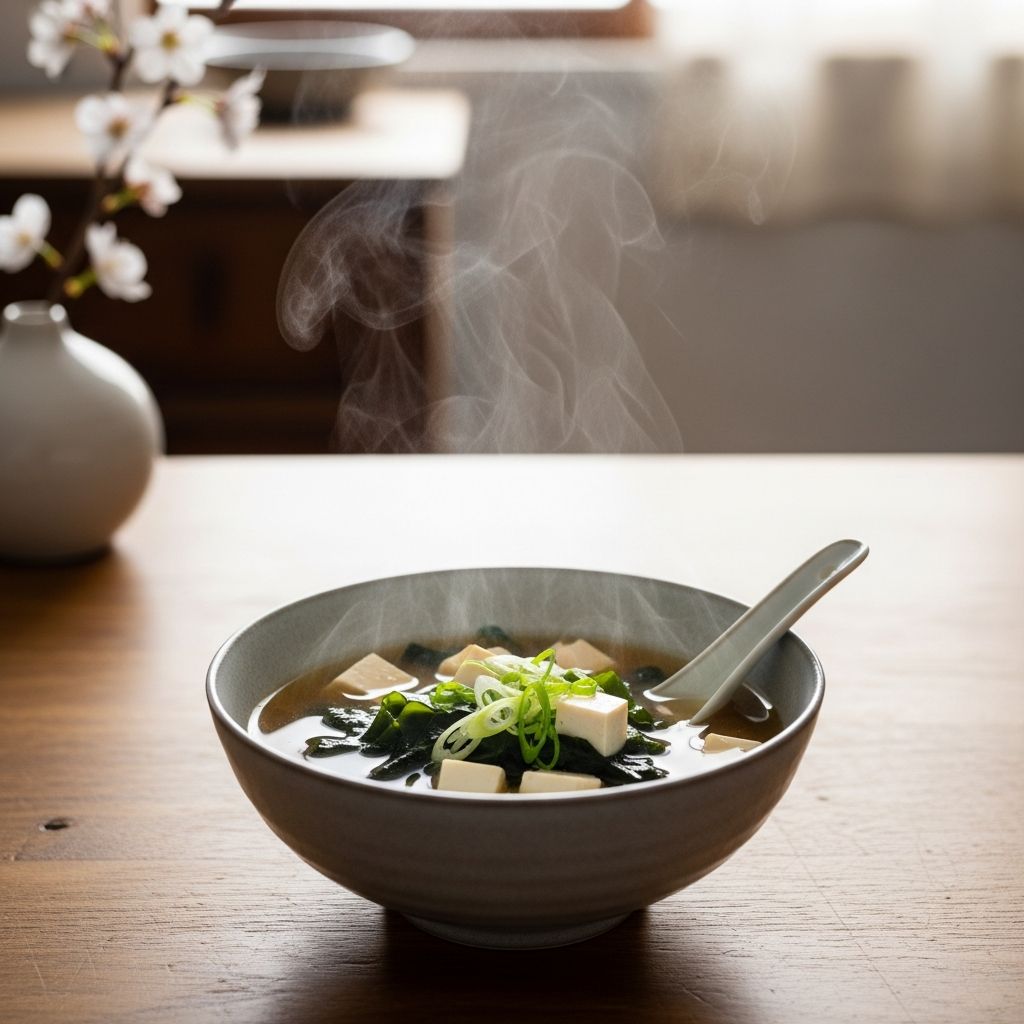
Miso soup, a staple in Japanese cuisine, is made from fermented soybean paste and offers a range of nutrients and probiotics that support gut health, potentially reduce heart disease risk, and provide other benefits, though its high sodium content warrants caution for some diets.
What Is Miso Soup?
Miso soup is a traditional Japanese dish featuring
miso paste
, a fermented mixture of soybeans, koji (a mold from Aspergillus oryzae), salt, and sometimes grains like rice or barley. The paste dissolves into dashi broth, often enhanced with tofu, seaweed, green onions, and mushrooms. Fermentation, lasting months to years, creates probiotics and umami flavor, making it a comforting, nutrient-dense starter soup served with sushi or rice.Types of miso vary: white (shiro) is mild and sweet; red (aka) is robust and salty; awase blends both. This versatility suits various dishes beyond soup.
Miso Soup Nutrition Facts
A typical 1-cup (240g) serving of miso soup with tofu, seaweed, mushrooms, and dashi provides about 40-80 calories, 4-6g protein, 5-7g carbs, and 2-4g fat, varying by ingredients. It’s rich in
vitamin K
(for blood clotting and bone health),manganese
(antioxidant support),copper
,zinc
, plus calcium, iron, B vitamins, and magnesium.Miso delivers high-quality vegetable protein and vitamins like B12, folate, iron, and K2 from fermentation. However, sodium can reach 800-1,200mg per cup—over half the daily 2,300mg limit—due to salted fermentation.
| Nutrient | Amount per 1 Cup | % Daily Value* |
|---|---|---|
| Calories | 60 | 3% |
| Protein | 5g | 10% |
| Sodium | 1,000mg | 43% |
| Vitamin K | 20mcg | 17% |
| Manganese | 0.5mg | 22% |
| *Based on 2,000-calorie diet. Values approximate. | ||
Potential Health Benefits of Miso Soup
The fermentation process in miso produces probiotics like lactobacilli, yeasts, enzymes, and A. oryzae prebiotics, fostering millions of beneficial microorganisms per teaspoon. Soy isoflavones add antioxidant effects.
Supports Gut Health
Miso’s probiotics and prebiotics may improve digestion, reduce colitis risk (per mouse studies), and lower indigestion or GERD reports in Japanese populations consuming it daily. Older adults eating miso soup reported fewer stomach issues. These microbes enhance intestinal biome, immunity, skin, hair, and mental sharpness.
May Reduce Heart Disease Risk
Isoflavones in soybeans link to lower stroke and heart attack risk in Japanese women. Fermented soy like miso may protect women’s hearts, per studies. Daily intake correlates with reduced cardiovascular events in epidemiology data.
Potential Cancer Risk Reduction
Japanese women eating 3+ bowls daily had significantly lower breast cancer risk. Miso may cut liver cancer risk in men and overall cancer mortality when paired with seaweed/soy. Antioxidants and probiotics contribute, though more research is needed.
Helps with Blood Sugar Control
Daily miso soup lowered HbA1c in women with type 2 diabetes and reduced insulin resistance. This aids blood glucose management, varying by individual responses.
Eases Menopause Symptoms
Isoflavones alleviate hot flashes and improve arterial health in menopausal women.
Other Benefits
- Reduces inflammation.
- Supports bone health via vitamin K2.
- Boosts immunity and prevents disease through diverse microbes.
Potential Downsides and Risks
High sodium raises blood pressure concerns, especially for hypertension patients. Packaged versions amplify this; homemade allows control.
Conflicting gastric cancer data: high intake may increase risk in men due to salt, per meta-analyses, while non-fermented soy protects. Daily miso linked to lower stomach cancer in some Japanese studies.
Related Stories



Histamine from fermentation may trigger issues for sensitive individuals. Not ideal for low-sodium or MSG-avoidant diets.
How to Make Miso Soup at Home
Homemade miso soup minimizes sodium and customizes nutrition. Basic recipe serves 4:
- Prepare dashi: Simmer 4 cups water with 1 piece kombu (kelp) and ½ cup bonito flakes (omit for vegan; use mushroom broth). Strain.
- Heat dashi to simmer. Dissolve 3-4 tbsp miso paste in a ladle of hot broth (don’t boil miso to preserve probiotics).
- Add 4oz cubed tofu, ¼ cup wakame seaweed (rehydrated), sliced shiitake mushrooms, and green onions.
- Pour into bowls. Optional: spinach, noodles.
Use low-sodium miso; start with 2 tbsp paste for less salt. Vegan options: shiitake or kombu-only dashi.
Miso Soup FAQs
Is miso soup good for you?
Yes, it provides probiotics for gut health, vitamins for heart protection, and potential cancer risk reduction, but watch sodium if on a low-salt diet.
What is miso?
Miso is fermented soybean paste with koji mold, salt, and grains, rich in umami and probiotics.
Is miso soup just miso paste and hot water?
It can be, topped with scallions or tofu, but traditional recipes use dashi, seaweed, and veggies for full nutrition.
Is miso soup high in sodium?
Often yes, 800-1,200mg per cup; choose low-sodium paste or dilute for heart-healthy versions.
Can miso soup help with digestion?
Probiotics and prebiotics support gut health, reducing indigestion per observational studies.
Does miso soup cause cancer?
Mixed evidence: may lower breast/liver cancer risk but high intake linked to gastric cancer in some men due to salt.
Takeaways
Incorporate miso soup 2-3 times weekly for benefits like improved digestion, heart protection, and probiotic support, using low-sodium versions. Balance with a varied diet; consult doctors for sodium restrictions. Its fermented profile makes it a smart, flavorful addition to wellness routines.
References
- Is Miso Soup Good for You? Nutrition Information, Benefits, and More — WebMD. 2023-05-15. https://www.webmd.com/diet/miso-soup-good-for-you
- Health Benefits of Miso — South River Miso Company. 2024-01-10. https://www.southrivermiso.com/about-miso/health-benefits/
- What Is Miso, and Is It Good for You? — ZOE. 2024-08-20. https://zoe.com/learn/what-is-miso
- Miso: A traditional nutritious & health‐endorsing fermented product — PMC (PubMed Central). 2022-12-01. https://pmc.ncbi.nlm.nih.gov/articles/PMC9731531/
Similar Articles








Read full bio of Sneha Tete