Mozzarella Cheese: Health Benefits, Risks, And Serving Guide
Uncover the nutritional truth about mozzarella cheese: protein-packed, calcium-rich benefits versus sodium and fat considerations for smart eating.
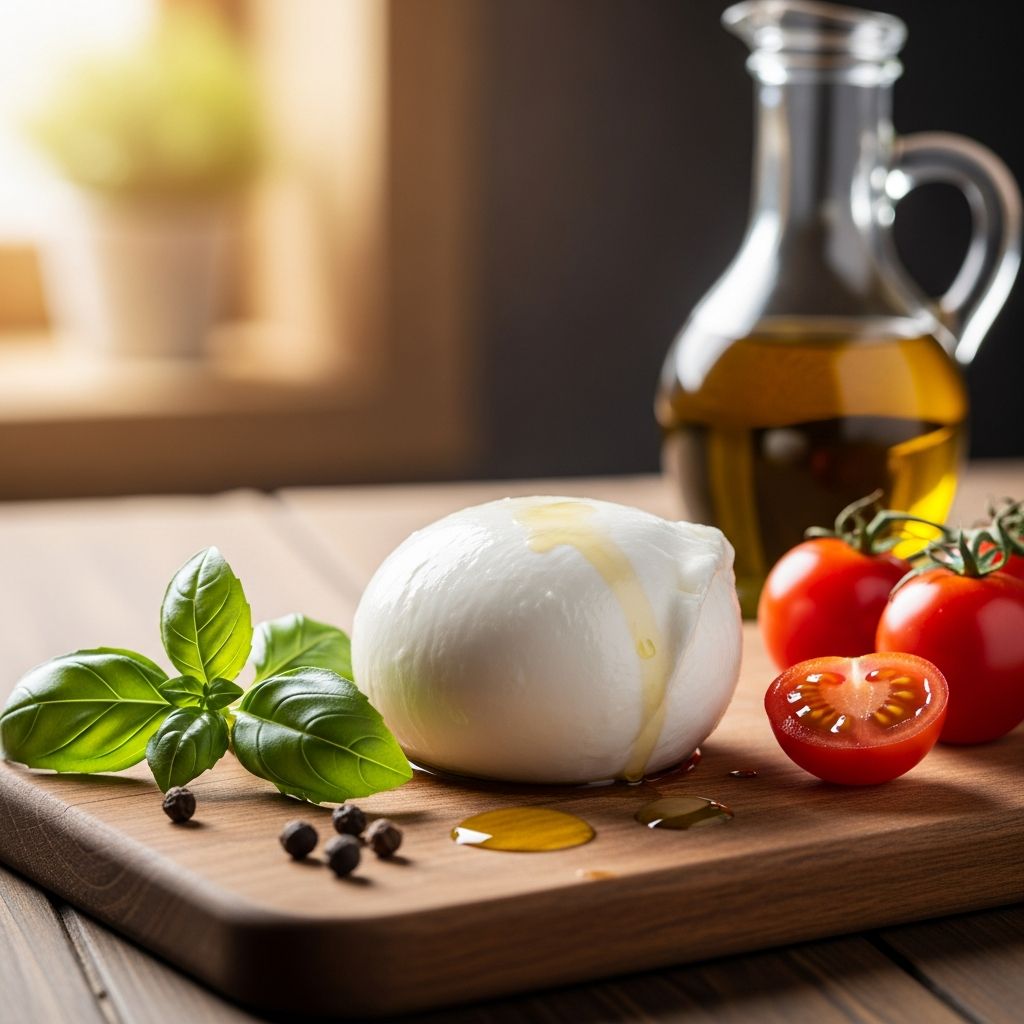
Mozzarella cheese is a versatile dairy product enjoyed worldwide, from pizza toppings to fresh Caprese salads. But is it a healthy choice? This semi-soft cheese provides significant nutritional value, including high-quality protein, calcium, and essential vitamins, making it beneficial for bone health, muscle maintenance, and satiety. However, its saturated fat and sodium content require moderation, especially for those watching heart health or blood pressure. Fresh varieties often edge out processed ones with lower calories and probiotics for gut support.
What Is Mozzarella Cheese?
Mozzarella originated in Italy, traditionally made from buffalo or cow’s milk through a stretching process in hot whey, giving it a soft, moist texture. Modern versions include fresh (high-moisture, stored in brine), low-moisture (for melting on pizzas), and part-skim options. Per 100g, it delivers 280 kcal, 28g protein, 17g fat (11g saturated), 3g carbs, and key minerals like 505mg calcium (50% DV) and 627mg sodium. Its mild flavor and stretchy quality make it popular, but nutritional profiles vary by type—fresh is typically lower in sodium and calories.
Mozzarella Nutrition Facts
A standard 100g serving of whole milk mozzarella packs nutrient density. Here’s a breakdown:
| Nutrient | Amount per 100g | % Daily Value |
|---|---|---|
| Calories | 280 kcal | 14% |
| Protein | 28g | 56% |
| Total Fat | 17g | 22% |
| Saturated Fat | 11g | 55% |
| Carbohydrates | 3g | 1% |
| Calcium | 505mg | 50% |
| Sodium | 627mg | 27% |
| Phosphorus | 354mg | 36% |
| Vitamin B12 | 1.1mcg | 46% |
This profile highlights its role as a protein powerhouse, comparable to chicken breast gram-for-gram, with bone-supporting minerals. One ounce (28g) offers about 8g protein and 183mg calcium.
Health Benefits of Mozzarella Cheese
Mozzarella stands out for its nutrient density, supporting multiple health aspects.
Bone Health
With 505mg calcium per 100g (50% DV), plus phosphorus (354mg) and vitamin D traces, mozzarella strengthens bones and teeth. These minerals work synergistically to enhance density and prevent osteoporosis. An ounce provides 18-21% DV calcium, ideal for daily needs.
Muscle Building and Repair
Boasting 28g complete protein per 100g—all nine essential amino acids—it’s excellent for muscle growth, repair, and maintenance. Equivalent to 4 eggs or 120g chicken, it aids athletes and fitness goals. Protein also promotes satiety, slowing carb absorption for blood sugar stability.
Weight Management
High protein content increases fullness, reducing cravings and supporting calorie control. At 280 kcal/100g, it’s lower-calorie than many cheeses, preserving lean mass during dieting. Fresh types are more filling due to moisture.
Blood Sugar Control
Low carbs (3g/100g) and high protein/fat stabilize glucose levels, beneficial for diabetes management.
Gut Health
Fresh mozzarella from traditional methods contains probiotics from fermentation, aiding digestion and microbiome balance.
Immune and Skin Support
Rich in zinc, vitamin B12, riboflavin, and selenium, it bolsters immunity, energy, and skin health. Vitamins A, B6, and E in smaller amounts support vision, cell growth, and antioxidant protection.
Potential Downsides of Mozzarella Cheese
Despite benefits, mozzarella has drawbacks. Saturated fat (11g/100g, 55% DV) may raise LDL cholesterol if overconsumed, per heart health guidelines. Sodium at 627mg/100g (27% DV) risks blood pressure elevation, though lower than aged cheeses. Lactose intolerant individuals may experience issues, though aging reduces lactose. High calories suit moderation—1-2 oz daily max for most.
Related Stories



- Saturated Fat: Limit to 10% daily calories; opt for part-skim.
- Sodium: Choose low-sodium or fresh; pair with potassium-rich foods.
- Lactose: Aged/low-moisture better tolerated.
- Calories: Portion control key for weight goals.
Is Fresh Mozzarella Healthier?
Yes, fresh mozzarella (in water/brine) outperforms low-moisture/aged types:
- Lower calories (often <280/100g).
- Reduced sodium (<627mg).
- Higher moisture for satiety.
- Probiotics present.
- Softer, easier digestion.
- Milder, fewer additives.
Part-skim fresh cuts fat further.
How Much Mozzarella Cheese Should You Eat?
The Dietary Guidelines recommend 3 dairy servings daily (1 serving = 1.5 oz cheese). For mozzarella, 1-2 oz (28-56g) provides 8-16g protein, 200-400mg calcium without excess fat/sodium. Athletes may increase to 3 oz. Balance with veggies, whole grains; choose low-fat for heart health.
Mozzarella Cheese and Special Diets
- Keto/Low-Carb: Ideal—minimal carbs, high fat/protein.
- Gluten-Free: Naturally gluten-free.
- Pregnancy: Pasteurized for safety; calcium/protein aid fetal growth.
- Weight Loss: Portion as snack with veggies.
- Vegan: Avoid; try nut-based alternatives.
Healthy Ways to Eat Mozzarella Cheese
Incorporate smartly:
- Caprese salad: Fresh balls, tomatoes, basil, balsamic.
- Pizza: Low-moisture part-skim, veggie-loaded.
- Snacks: Slices with apples, nuts.
- Wraps: Turkey, mozzarella, greens.
- Baked: Stuffed peppers with quinoa.
These boost fiber, nutrients, offsetting richness.
Mozzarella vs. Other Cheeses
| Cheese (100g) | Calories | Protein | Calcium | Sodium |
|---|---|---|---|---|
| Mozzarella | 280 | 28g | 505mg | 627mg |
| Cheddar | 402 | 25g | 710mg | 621mg |
| Feta | 264 | 14g | 493mg | 1116mg |
| Provolone | 351 | 26g | 756mg | 954mg |
Mozzarella wins on protein/calorie ratio, lower sodium than feta/provolone.
Frequently Asked Questions
Is mozzarella cheese good for weight loss?
Yes, in moderation—high protein promotes fullness; 1 oz = 80 kcal, 8g protein. Pair with veggies.
How much protein is in mozzarella cheese?
28g per 100g (8g per oz slice)—complete protein for muscles.
Is fresh mozzarella healthier than regular?
Yes: lower calories, sodium; probiotics, better digestibility.
Does mozzarella have lactose?
Low (2-3g/100g); fresh higher, aged lower—suitable for mild intolerance.
Can I eat mozzarella every day?
1-2 oz yes; monitor fat/sodium for heart health.
Bottom Line
Mozzarella cheese is healthy when enjoyed mindfully—rich in protein, calcium for bones/muscles, weight control. Opt for fresh/part-skim, limit to 1-2 oz daily, pair balanced. Consult doctors for dietary restrictions.
References
- Mozzarella Cheese: Calories, Nutrition and Health Benefits — NutriScan. 2024. https://nutriscan.app/calories-nutrition/mozzarella-cheese
- The Health Benefits of Mozzarella and Provolone Cheeses — UWE Honors 302. 2023. https://uwechonors302.weebly.com/the-health-benefits-of-mozzarella-and-provolone-cheeses.html
- The Health Benefits of Mozzarella Cheese — Bricco. 2024. https://bricco.com/the-health-benefits-of-mozzarella-cheese/
- Mozzarella vs. Provolone — Health Impact and Nutrition Comparison — FoodStruct. 2024. https://foodstruct.com/nutrition-comparison-text/cheese-mozzarella-lowsodium-vs-provolone
- 7 Amazing Mozzarella cheese Nutrition facts and Health benefits — Nutrition-and-You. 2023. https://www.nutrition-and-you.com/mozzarella-cheese.html
Similar Articles








Read full bio of Sneha Tete