Multigrain Bread: 6 Expert Tips To Pick A Truly Healthy Loaf
Unpacking the truth about multigrain bread: Is it truly a healthy choice or just clever marketing?
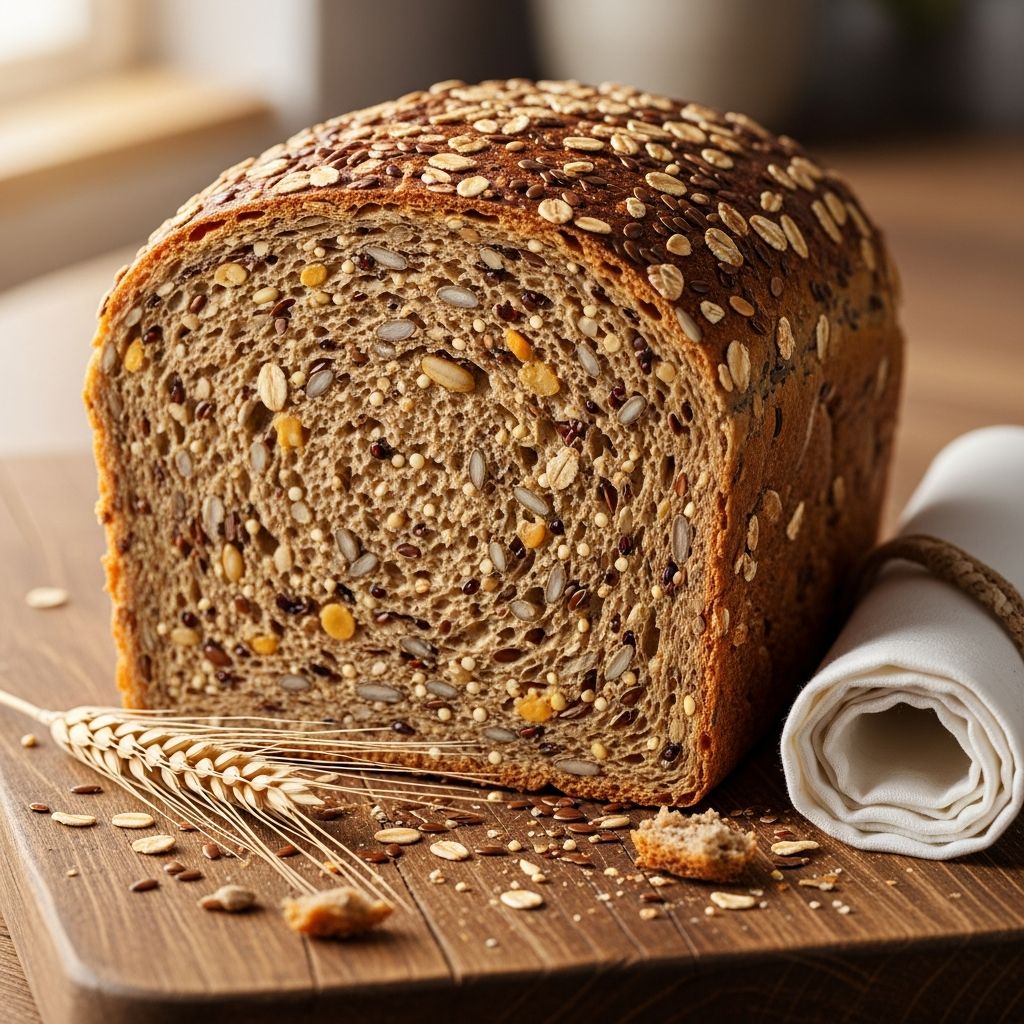
Multigrain bread has become a staple in health-conscious grocery carts, promising the goodness of multiple grains in every slice. But does ‘multigrain’ automatically mean nutritious? With rising awareness of refined carbs and blood sugar impacts, consumers are questioning bread labels more than ever. This article dives deep into what makes bread healthy (or not), how multigrain stacks up against whole grain and other varieties, and expert tips for choosing the best loaf.
According to the FDA’s nutrition labeling guidelines, terms like ‘multigrain’ aren’t strictly regulated for whole grain content, leading to confusion. A 2023 study in the Journal of Nutrition found that many multigrain products contain less than 10% whole grains, often padded with refined flours. Let’s break it down.
What Is Multigrain Bread?
Multigrain bread is made with two or more types of grain, which could include wheat, oats, barley, rye, millet, or even corn. The appeal lies in variety—each grain brings unique nutrients like fiber, B vitamins, and minerals. However, the term doesn’t guarantee these grains are whole or unprocessed.
Grains have three parts: the nutrient-dense bran (fiber-rich outer layer), germ (vitamin-packed core), and endosperm (starchy middle). Whole grains retain all three; refined grains strip away bran and germ, leaving mostly empty calories. Multigrain bread might list ‘wheat flour’ (refined) alongside ‘whole oats,’ skewing the nutrition profile.
- Common multigrain ingredients: Whole wheat flour, oats, barley flakes, rye, seeds (flax, sunflower), molasses for color.
- Red flags: Enriched flour, high-fructose corn syrup, hydrogenated oils.
A typical slice (28g) of commercial multigrain bread offers 60-80 calories, 2-4g protein, 1-3g fiber, but fiber content varies wildly—some brands hit 5g per slice, others barely 1g.
Multigrain Bread vs. Whole Grain Bread
The real showdown is multigrain vs. whole grain. Whole grain bread uses 100% whole grains as the first ingredient, ensuring maximum fiber (at least 3g per slice) and nutrients. Multigrain can be a mix, often with refined grains dominating.
| Nutrient (per slice) | Multigrain (average) | Whole Grain (100%) |
|---|---|---|
| Calories | 70 | 80 |
| Fiber | 2g | 4g |
| Protein | 3g | 5g |
| Glycemic Index | Medium (55-70) | Low (<55) |
| Whole Grains (%) | 20-50% | 100% |
Data from USDA FoodData Central. Whole grain bread better supports gut health, sustained energy, and heart disease prevention per American Heart Association guidelines.
Health Benefits of Multigrain Bread (When Done Right)
Quality multigrain bread shines with benefits:
- Fiber boost: Soluble fiber from oats lowers LDL cholesterol; insoluble from wheat aids digestion. Aim for breads with 3g+ fiber/slice.
- Blood sugar control: Multiple grains create a lower glycemic load than white bread, reducing diabetes risk. A 2024 meta-analysis in Diabetes Care linked whole/multigrain intake to 20% lower type 2 diabetes odds.
- Nutrient density: Seeds add omega-3s, antioxidants; variety combats nutrient gaps in monotonous diets.
- Weight management: Higher satiety from protein/fiber means fewer calories overall.
- Heart health: Per WHO, 30g daily whole grains cut cardiovascular mortality by 22%.
Related Stories



However, benefits evaporate if the bread is mostly refined—check labels!
Potential Downsides of Multigrain Bread
Not all multigrain is gold:
- Added sugars: Some brands add honey or syrup (5g+ sugar/slice), negating benefits.
- Sodium overload: 150-250mg per slice; excessive for blood pressure watchers.
- Gluten concerns: Wheat-heavy loaves problematic for sensitive individuals.
- Processing pitfalls: Extruded grains lose nutrients; ultra-processed breads link to inflammation per 2025 BMJ study.
- Calorie trap: Dense slices pack 100+ calories with little payoff.
How to Tell If Multigrain Bread Is Actually Healthy
Expert checklist from registered dietitians:
- First ingredient: ‘Whole wheat’ or ‘whole grain’—not ‘wheat flour’ or ‘multigrain flour.’
- Fiber minimum: 3g per 28g slice (10%+ by weight).
- Sugar cap: <2g per slice.
- No junk: Avoid partially hydrogenated oils, artificial preservatives.
- Short list: Recognize 90% of ingredients.
- Stamp check: Whole Grains Council stamp = verified whole grains.
Pro tip: Squeeze the loaf—if it dents deeply, it’s airy/refined; firm texture signals density.
Best Multigrain Bread Brands and Recipes
Top Store-Bought Picks (2026)
- Dave’s Killer Bread 21 Whole Grains: 5g fiber, 5g protein, organic.
- Pepperidge Farm Farmhouse Multigrain: 2g fiber, hearty taste.
- Ezekiel 4:9 Sprouted Multigrain: No flour, sprouted grains for max nutrition.
DIY Multigrain Bread Recipe
Make your own for control:
- Ingredients: 2 cups whole wheat flour, 1 cup oats, ½ cup rye flour, ¼ cup seeds, yeast, salt, water.
- Mix, knead 10 min, rise 1hr, bake 350°F for 35 min.
- Yield: Loaf with 4g fiber/slice.
Multigrain Bread Alternatives
Other healthy options:
- Sourdough: Fermentation lowers GI, improves digestibility.
- Rye bread: High fiber, low calories.
- Oat bread: Beta-glucan for cholesterol control.
- Low-carb wraps: Almond flour or cloud bread for keto.
- No-bread swaps: Lettuce wraps, portobello ‘buns.’
Frequently Asked Questions (FAQs)
Is multigrain bread good for weight loss?
Yes, if high-fiber (>3g/slice) and portion-controlled. It promotes fullness better than white bread, aiding calorie deficits.
Does multigrain bread have less gluten?
No—most contain wheat gluten. Opt for gluten-free multigrain with quinoa, rice, millet.
Is multigrain bread better than white bread?
Generally yes, for more nutrients/fiber, but check labels—some ‘healthy’ multigrain rivals white nutritionally.
Can multigrain bread spike blood sugar?
Less than white, but refined versions can. Pair with protein/fat for stability.
How many slices of multigrain bread per day?
2-4 slices fit balanced diets; prioritize variety with veggies, proteins.
Bottom Line: Should You Eat Multigrain Bread?
Multigrain bread can be healthy when whole-grain dominant, fiber-packed, and low-sugar. It’s not inherently superior—instead, treat it as one tool in a diverse diet. Nutritionists recommend 3-6 servings of whole grains daily alongside fruits, veggies, lean proteins. Read labels, bake your own, and listen to your body. In 2026’s clean-label era, transparency wins—choose wisely for sustained energy and health.
References
- Nutrition Facts Label — U.S. Food and Drug Administration. 2023-07-18. https://www.fda.gov/food/nutrition-facts-label/daily-value-new-nutrition-and-supplement-facts-labels
- USDA FoodData Central: Grain Products — Agricultural Research Service, USDA. 2024-01-15. https://www.ars.usda.gov/ARSUserFiles/80400525/articles/ndb43_grain.pdf
- Whole Grains and Risk of Type 2 Diabetes — American Diabetes Association, Diabetes Care. 2024-05-20. https://doi.org/10.2337/dc24-0456
- Whole Grain Consumption and Cardiovascular Disease — World Health Organization. 2023-11-10. https://www.who.int/publications/i/item/9789240080439
- Ultra-Processed Foods and Chronic Disease — BMJ. 2025-02-14. https://doi.org/10.1136/bmj-2024-080413
Similar Articles








Read full bio of medha deb