Is Oat Milk Bad For You? 10 Key Pros & Cons
Uncover the truth about oat milk: health benefits, potential drawbacks, nutrition facts, and expert tips for smart consumption.
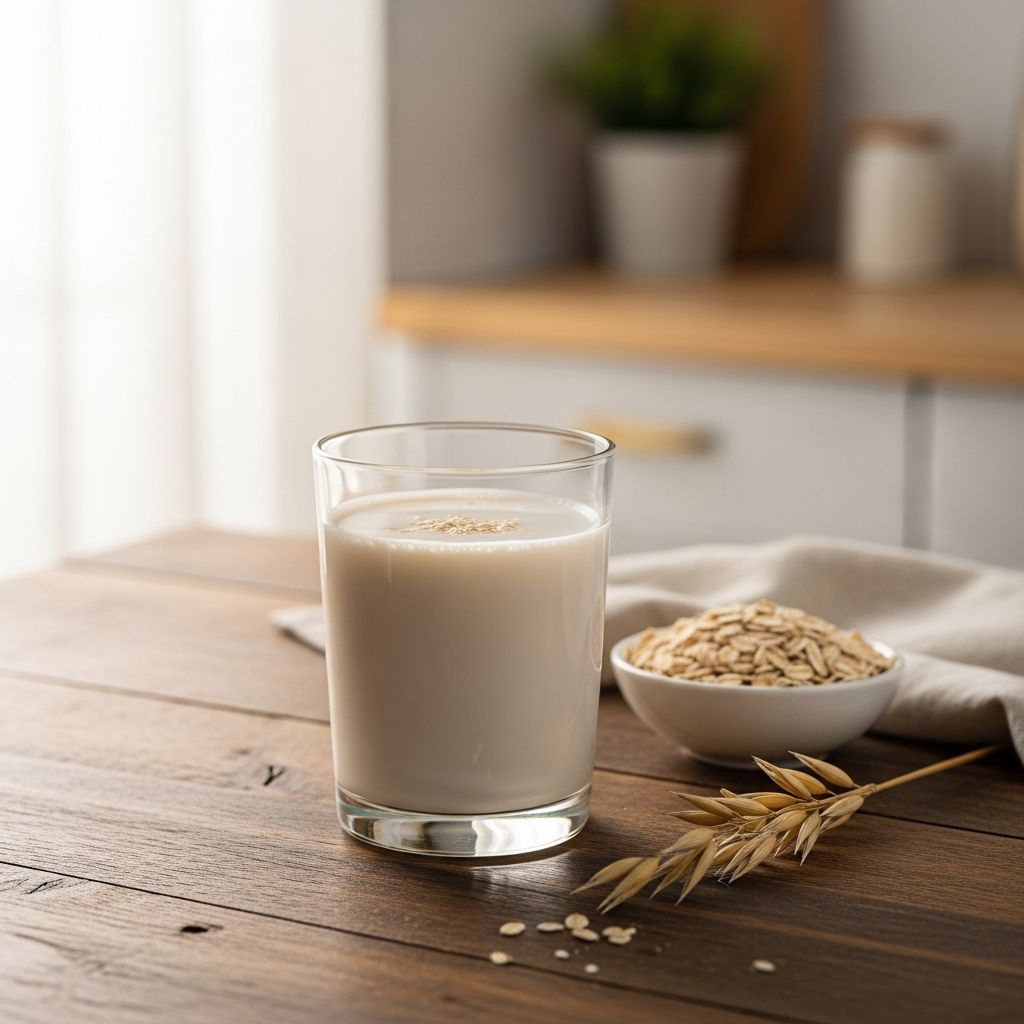
Oat milk has surged in popularity as a creamy, plant-based alternative to dairy milk, favored for its frothy texture in coffee and neutral, slightly nutty flavor. But questions linger: Is oat milk bad for you? While it offers benefits like fiber and fortification, concerns about carbs, processing, and nutrient gaps make it not ideal for everyone.
What Is Oat Milk?
Oat milk is made by blending oats with water, then straining the mixture to create a milky liquid. Commercial versions often include enzymes to break down starches into sugars, stabilizers, oils, and fortifications with vitamins and minerals. This processing gives it a smooth texture but raises questions about its health impact compared to whole oats.
Unlike dairy milk, oat milk is naturally lactose-free, vegan, and free from common allergens like nuts and soy, making it accessible for many diets.
Oat Milk Nutrition Facts
A typical 1-cup (240 ml) serving of unsweetened oat milk provides around 120 calories, 5g fat (mostly unsaturated), 16g carbohydrates (including 2-3g fiber from beta-glucan), 2-3g protein, and 0g cholesterol. Fortified versions add calcium (about 30% DV), vitamin D (25% DV), and B vitamins.
| Nutrient (per 1 cup) | Oat Milk (Unsweetened) | Cow’s Milk (2%) | Almond Milk (Unsweetened) |
|---|---|---|---|
| Calories | 120 | 122 | 30 |
| Protein (g) | 2-3 | 8 | 1 |
| Carbs (g) | 16 | 12 | 1 |
| Fiber (g) | 2-3 | 0 | 1 |
| Fat (g) | 5 | 5 | 3 |
| Calcium (% DV) | 25-30 | 30 | 45 |
Data approximated from common brands; values vary. Oat milk stands out for fiber but lags in protein.
Health Benefits of Oat Milk
- Rich in Beta-Glucan Fiber: Beta-glucan, a soluble fiber in oats, lowers LDL cholesterol and supports heart health. Studies link it to reduced cardiovascular risk and better blood sugar control.
- Fortified Nutrients: Adds calcium, vitamin D, and B vitamins for bone health and energy metabolism, often matching dairy levels.
- Low Saturated Fat and Cholesterol-Free: Replaces dairy’s saturated fats with heart-healthy unsaturated ones, aiding cholesterol management.
- Allergen-Friendly: Ideal for lactose-intolerant, vegan, or nut-allergic individuals.
- Sustainable: Requires less water than almond milk, with a lower environmental footprint than dairy.
Peer-reviewed research confirms beta-glucan’s benefits: it slows carb absorption, stabilizing blood sugar, which is helpful for diabetes management.
Potential Downsides of Oat Milk
- High Glycemic Index and Blood Sugar Spikes: Enzymes convert oat starches to simple sugars, causing rapid blood sugar rises—worse than almond or soy milk. Lacks protein and fat to balance this, leading to crashes, cravings, and hunger soon after.
- Low Protein: Only 2-3g per cup versus 8g in cow’s milk, limiting satiety and muscle support. Oat protein is low in lysine and less digestible.
- Added Sugars and Oils: Flavored versions pack extra sugar; even plain ones may include canola oil or stabilizers, boosting calories.
- Anti-Nutrients: Phytates and oxalates in oats can hinder mineral absorption, potentially undermining fortifications.
- Processing Concerns: Highly processed with enzymes and additives, reducing whole-food benefits of oats.
Related Stories



Dietitians note oat milk lattes spike blood sugar more than dairy due to carb dominance, disrupting energy and hormones over time.
Is Oat Milk Good for Blood Sugar?
No, oat milk often harms blood sugar control. Its 16g carbs per cup, mostly from broken-down starches, yield a high glycemic response. Without balancing protein or fat, it causes spikes followed by drops, risking cravings, fatigue, and long-term issues like insulin resistance. Opt for unsweetened, pair with protein-rich foods, or choose lower-carb alternatives.
Oat Milk vs. Other Milk Alternatives
| Milk Type | Pros | Cons |
|---|---|---|
| Oat | Creamy, fiber-rich, fortified | High carb, low protein, sugar spikes |
| Almond | Low cal/carb, neutral taste | Low protein/nutrients, environmental water use |
| Soy | High protein, complete amino acids | Potential allergens, GMO concerns |
| Cow’s | High protein, natural nutrients | Lactose, saturated fat, ethical/environmental issues |
Oat milk excels in texture but falls short nutritionally for protein and glycemic control.
Who Should Avoid Oat Milk?
- People with diabetes or insulin resistance due to carb content.
- Those seeking high-protein diets for satiety or muscle building.
- Individuals monitoring calories or sugar intake—check labels.
- Gluten-sensitive people (unless certified gluten-free, as oats can cross-contaminate).
It’s fine in moderation for most, but not a dairy “swap” for everyone.
How to Choose a Healthy Oat Milk
- Unsweetened Only: Avoid added sugars; aim for <5g per cup naturally.
- Whole Grain Oats: Higher fiber slows sugar absorption.
- Minimal Additives: Skip gums, oils, flavors; check for enzymes.
- Fortified: Ensure calcium, D, B12.
- Organic/Certified: Reduces pesticide/anti-nutrient concerns.
Brands like Oatly or minor figures often rate well if unsweetened.
FAQs
Is oat milk healthier than dairy milk?
It depends: better for allergens and saturated fat, but worse for protein and blood sugar. Dairy wins for complete nutrition.
Does oat milk spike blood sugar?
Yes, due to high carbs and processing; pair with protein/fat to mitigate.
Is oat milk good for weight loss?
Moderate: low sat fat but calorie-dense if sweetened; low protein may increase hunger.
Can oat milk cause bloating?
Possible from fiber or additives; start small if sensitive.
Is oat milk inflammatory?
No evidence; beta-glucan may reduce inflammation via heart benefits.
Bottom Line: Is Oat Milk Bad for You?
Oat milk isn’t “bad,” but it’s overhyped. Enjoy for its taste and fiber perks, but mind carbs, low protein, and processing. Best as an occasional treat, not daily staple—especially unsweetened and balanced in meals. Consult a dietitian for personalized advice.
References
- Is Oat Milk Good for You? Here’s What to Look For — YorkTest US. 2023. https://www.yorktest.com/us/blog/is-oat-milk-good-for-you/
- Why Oat Milk Might Not Be As “Healthy” As We Thought — Kate Eskuri Substack. 2024. https://kateeskuri.substack.com/p/why-oat-milk-might-not-be-as-healthy
- Oat-based milk alternatives: the influence of physical and chemical properties on sensory profile — PMC/NCBI (Peer-reviewed). 2024-02-29. https://pmc.ncbi.nlm.nih.gov/articles/PMC10877596/
- The healthy swap you’re making to your coffee is more harmful than you think — The Independent. 2025. https://www.the-independent.com/life-style/health-and-families/oat-milk-coffee-health-drink-b2899032.html
- Oat milk: nutrition facts and health benefits — Live Science. 2024. https://www.livescience.com/oat-milk-nutrition
Similar Articles








Read full bio of Sneha Tete