Is Oatmeal Good For Diabetics? Evidence-Based Guide
Discover if oatmeal benefits blood sugar control for diabetics, with expert tips on types, portions, and recipes.
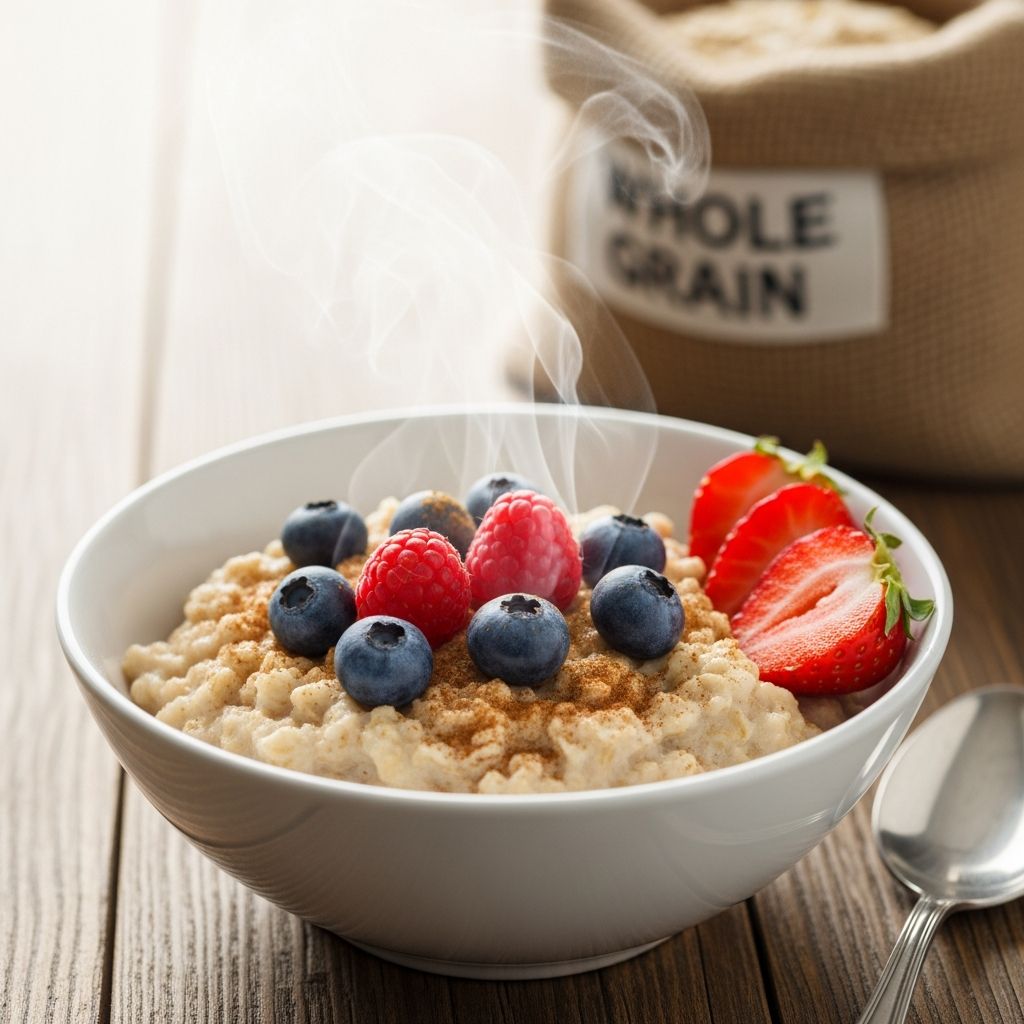
Oatmeal can be a beneficial food for people with diabetes when prepared properly, thanks to its low glycemic index, high soluble fiber content like beta-glucan, and potential to improve blood sugar control, cholesterol levels, and insulin sensitivity. However, not all oatmeals are equal—opt for whole grain varieties and watch portions to avoid blood sugar spikes from high carbs.
What Is Oatmeal?
Oatmeal is made from oats, a whole grain rich in soluble fiber, particularly beta-glucan, which forms a gel-like substance in the gut to slow digestion and sugar absorption. Available as steel-cut, rolled, quick, or instant oats, processing affects glycemic impact: minimally processed types retain more fiber for slower blood sugar rises.
Is Oatmeal Good for Diabetics?
Yes, oatmeal supports diabetes management due to its low
glycemic index (GI)
(around 55 for rolled oats), meaning it causes gradual blood sugar increases compared to high-GI foods. Studies show oats improve glycemic markers in type 2 diabetes patients.- Fiber-rich: Soluble fiber slows carbohydrate breakdown, preventing glucose spikes. Aim for 21-38g daily fiber per American Diabetes Association guidelines; 1 cup cooked oatmeal provides ~4g.
- Lowers blood sugar: Beta-glucan reduces post-meal glucose and insulin responses, though regular oats may be less potent than enriched versions.
- Heart healthy: Beta-glucan lowers LDL and total cholesterol, crucial for diabetics at cardiovascular risk. A 2022 meta-analysis confirmed significant reductions.
- Boosts insulin sensitivity: Short-term oat intake improves HOMA-IR (insulin resistance measure) temporarily; a 2022 review noted benefits, but long-term data is limited.
Research on Oatmeal and Diabetes
A 2022 systematic review and meta-analysis of 8 RCTs with 407 type 2 diabetes adults found oat beta-glucan (median 3.25g/day over 4.5 weeks) yielded small but significant improvements: reduced HbA1c, fasting glucose (-0.39 mmol/L per 1g beta-glucan), 2h-postprandial glucose, fasting insulin, and HOMA-IR beyond standard therapy. Evidence certainty was high for fasting glucose, moderate for insulin metrics. No type 1 diabetes data exists.
Another review highlighted beta-glucan’s role in glycemic control, though effects are modest and dose-dependent.
Nutrition Facts for Oatmeal
One cup (234g) cooked plain oatmeal (rolled oats, water-cooked) provides:
| Nutrient | Amount | % Daily Value* |
|---|---|---|
| Calories | 166 | 8% |
| Protein | 5.94g | 12% |
| Fats | 3.56g | 5% |
| Carbohydrates | 28.1g | 10% |
| Fiber | 3.98g | 14% |
| Beta-glucan | ~2-4g** | – |
*Based on 2,000-calorie diet. **Varies by oat type. Also rich in iron, magnesium, zinc.
Best Types of Oatmeal for Diabetics
Choose
whole grain oats
for maximum benefits:- Steel-cut oats: Least processed, lowest GI, chewiest texture, longest cook time (20-30 min).
- Rolled/old-fashioned oats: Steamed and flattened; good fiber retention, cooks in 5-10 min.
- Quick oats: Smaller flakes, faster cooking (1-5 min), slightly higher GI.
- Avoid instant oatmeal: Often has added sugars, stripped fiber, high GI causing rapid spikes.
Check labels: seek ‘100% whole grain’ with <5g sugar/serving.
Portion Sizes and Blood Sugar Impact
Oatmeal’s 28g carbs/cup can impact blood sugar; diabetics should start with
½ cup dry oats
(cooks to ~1 cup) and monitor glucose. Pair with protein/fat (e.g., nuts, eggs) to blunt rises. Meta-analysis showed benefits at 3g+ beta-glucan/day, roughly ¾-1 cup cooked.Related Stories



Healthy Oatmeal Recipes for Diabetics
Enhance nutrition without spiking sugar:
- Savory oats: Top with spinach, poached egg, avocado. Adds protein/fiber.
- Berry nut oatmeal: ½ cup oats + berries, almonds, chia seeds, unsweetened almond milk.
- Overnight oats: Mix oats, Greek yogurt, cinnamon; refrigerate. Low-GI prep.
- Baked oat muffins: Blend oats, banana, egg whites, berries for grab-and-go.
Always verify nutrition facts.
Oatmeal Alternatives and Add-Ins
- Breads/muffins: Use oat-based whole grain breads (lower GI than white).
- Add-ins: Nuts/seeds (protein), cinnamon (insulin sensitivity), berries (low-GI fruit). Avoid sugar/honey.
Potential Downsides and Risks
While beneficial, caveats exist:
- High carbs: Consume in moderation; test personal response.
- Gastroparesis: Fiber may worsen delayed stomach emptying.
- Added sugars: Flavored packets spike glucose.
- Gluten cross-contamination: Celiac diabetics choose certified gluten-free.
FAQs
Does oatmeal spike blood sugar?
Whole grain oatmeal has low GI and doesn’t spike like refined carbs, but portions matter. Beta-glucan slows absorption.
Instant vs. steel-cut oats for diabetes?
Steel-cut best; instant often sugary/high-GI.
How much oatmeal per day for diabetics?
½-1 cup cooked; aim 3g beta-glucan. Consult dietitian.
Can type 1 diabetics eat oatmeal?
Yes, in carb-counted portions; monitor insulin needs. Type 2 studies dominate.
Is oatmeal keto-friendly for diabetics?
No, too carby for strict keto; suitable for low-carb moderated diets.
References
- Oatmeal for diabetes: Benefits, nutrition, and tips — Medical News Today. 2023-10-24. https://www.medicalnewstoday.com/articles/311409
- Effect of oats and oat ß-glucan on glycemic control in diabetes — PMC / BMJ Open Diabetes Research & Care. 2022-08-01. https://pmc.ncbi.nlm.nih.gov/articles/PMC9438016/
Similar Articles








Read full bio of medha deb