Is Oatmeal Healthy? Science-Backed Benefits
Discover why oatmeal is one of nature's most nutritious foods for heart, gut, and overall wellness.
Is Oatmeal Healthy? A Complete Guide to Oatmeal’s Science-Backed Benefits
Oatmeal has earned its reputation as a breakfast staple for good reason. This humble grain became the first food to receive a Food and Drug Administration health claim label in 1997, specifically for its heart health benefits and ability to decrease blood cholesterol levels. But oatmeal’s benefits extend far beyond cholesterol management. Modern nutritional science reveals that regular oatmeal consumption can support weight management, improve gut health, reduce inflammation, and help prevent serious diseases including heart disease and diabetes.
What Makes Oats So Healthy?
The secret to oatmeal’s exceptional health profile lies in its unique composition of fiber, protein, and bioactive compounds. A single serving provides a remarkable nutritional package that explains why health experts consistently recommend oats as part of a balanced diet.
The Power of Beta-Glucan
The most distinctive and well-researched component in oats is beta-glucan, a soluble fiber found abundantly in oats and barley. Unlike insoluble fiber, beta-glucan dissolves in hot water where it creates a viscous, slightly slimy texture—the very quality that makes oatmeal feel creamy and satisfying. This viscosity is crucial to understanding how oatmeal works in your body.
Beta-glucan’s mechanisms of action are multifaceted. When you consume oatmeal, the soluble fiber slows your digestion and helps undigested food travel farther down your digestive tract, where it feeds the friendly bacteria living there. This process has been shown ”quite unequivocally” to help maintain healthy cholesterol levels, according to nutritional experts. The fiber’s viscosity also promotes satiety—the feeling of fullness—which helps you eat less throughout the day and supports weight management goals.
Research demonstrates that beta-glucan content in oats ranges from 1.8 to 7 percent, though this varies based on the specific oat cultivar, growing location, storage conditions, and processing methods. Higher amounts of beta-glucan are accompanied by greater reductions in serum cholesterol levels, creating a dose-response relationship that researchers have documented in animal models.
Vitamins and Minerals in Oatmeal
Beyond fiber, oatmeal delivers impressive quantities of essential micronutrients. A one-cup serving of cooked oatmeal contains approximately 1.8 milligrams of thiamine (vitamin B1), which represents about 15 percent of an adult’s daily requirement. The same serving provides 1.36 milligrams of manganese—59 percent of the daily recommendation for men and 76 percent for women. Manganese plays critical roles in immunity, blood clotting, and how your body metabolizes cholesterol and blood sugar.
Additionally, oats provide substantial amounts of magnesium, copper, and zinc—minerals that support diverse physiological functions from energy production to immune function.
Phytonutrients and Avenanthramides
Oats are rich in phytonutrients—plant-derived substances that may boost health in multiple ways. One particularly unique class of phytonutrients found only in oats is avenanthramides, which possess antioxidant and anti-inflammatory effects, though their benefits remain less thoroughly researched compared to beta-glucans.
Top 5 Health Benefits of Oatmeal
1. Heart Health and Cholesterol Management
The cardiovascular benefits of oatmeal are among the most extensively studied and well-documented. Extensive studies have associated oats with lowering both total cholesterol and ”bad” LDL cholesterol, making them a cornerstone food for heart health. Research has shown that oat consumption leads to reduction of plasma cholesterol, lowered plasma triglycerides, increased fecal excretion of cholesterol and bile acids, and significant reduction of plasma levels of fibrinogen and soluble vascular cell adhesion molecule-1—all markers of improved cardiovascular health.
The anti-atherosclerotic properties of oats have been demonstrated in animal models, where oat consumption reduced atherosclerotic lesion area in the descending aorta and aortic root. When combined with cholesterol-reducing medications like atorvastatin, oat bran supplementation showed additional protective effects against atherosclerosis development.
Related Stories



2. Weight Management Support
For those managing their weight, oatmeal offers multiple supportive mechanisms. A half-cup serving of rolled oats cooked in a cup of water contains just 165 calories yet provides 4 grams of fiber and 6 grams of protein. The combination of fiber and protein content contributes to feeling full longer and slowing the release of blood glucose, creating a sustained energy supply that reduces overall calorie intake throughout the day.
The science explains this effect: beta-glucan’s viscous properties delay gastric emptying, which inhibits food intake and reduces overall body weight, body fat, body mass index (BMI), and central adiposity. Additionally, beta-glucan activates the gut-hypothalamic axis, which increases satiety signals to your brain.
3. Improved Gut Health and Microbiota
Modern research has revealed that oats provide substantial benefits for your gut microbiome—the community of beneficial bacteria that influences everything from immunity to mental health. Consumption of oats has been determined to be beneficial for human health by promoting immunomodulation and improving gut microbiota.
When oats are consumed, they increase production of short-chain fatty acids (SCFAs), particularly butyrate, in the colon. These compounds are the preferred fuel source for beneficial gut bacteria and play protective roles in intestinal health. Studies in obese animals showed that oat supplementation shifted the overall structure of microbiota, altered the abundance of Bacteroides and Firmicutes toward normal ratios, and significantly increased SCFA concentration in colonic digestion. These changes helped attenuate obesity and other obesity-related metabolic disorders.
4. Blood Sugar Control and Diabetes Prevention
The soluble fiber in oats provides antidiabetic effects by slowing glucose absorption and preventing rapid blood sugar spikes. Beta-glucan’s viscosity delays gastric emptying, which slows the rate at which carbohydrates enter the bloodstream and are absorbed, resulting in more stable blood glucose levels. This mechanism helps reduce the risk of type 2 diabetes and benefits those already managing the condition.
5. Anti-inflammatory and Immune Benefits
Emerging research demonstrates that oats possess anti-inflammatory properties. Studies have documented significant reductions in clinical inflammatory markers following oat consumption, including decreased myeloperoxidase activity, nitric oxide, and malondialdehyde levels. Additionally, oat protein supplementation can help alleviate side effects of intense exercise, reducing eccentric-exercise-induced skeletal muscle soreness, IL-6 concentration levels, and C-reactive protein contents.
In research examining ulcerative colitis—an inflammatory bowel condition—beta-glucan exhibited protective effects, reducing disease activity index and colon tissue damage while decreasing inflammatory markers including TNF-α, IL-1β, IL-6, and iNOS expression.
Understanding Oat Types and Processing
Not all oats are processed equally, and the type you choose can influence both nutritional content and how your body responds.
How Oats Are Processed
Oats grow in an inedible casing called a hull. Inside is a soft, seedlike structure called a groat, which is encased in bran. Unlike other whole grains such as wheat, where the bran layer can be removed, oats have a groat that is too soft for bran removal without destroying the grain. This unique characteristic means that most oat products retain the nutrient-rich bran layer.
Comparing Oat Varieties
| Oat Type | Processing Level | Nutritional Difference | Glycemic Index |
|---|---|---|---|
| Steel-Cut Oats | Minimally processed | Nutritionally similar to rolled oats | Lower |
| Rolled Oats | Steamed and flattened | Nutritionally similar to steel-cut oats | Lower |
| Instant Oats | Highly processed and ground fine | Similar nutrient profile | Higher |
| Oat Bran | Coarse portion extracted when ground to flour | Beta-glucans concentrated in flour rather than bran | Lower |
Nutritionally, there is little difference between steel-cut and rolled oats, making either choice acceptable for health benefits. However, instant oats have a higher glycemic index, meaning they raise your blood sugar faster than minimally processed varieties. If you’re managing blood sugar or diabetes, steel-cut or rolled oats are preferable choices.
How Much Oatmeal Should You Eat?
While oatmeal is extraordinarily healthy, portion sizes matter. A standard serving of dry oats is approximately one-half cup, which yields about 165 calories when cooked with water. This modest serving size provides meaningful quantities of fiber, protein, and micronutrients without excessive calorie intake.
For maximum health benefits, particularly regarding cholesterol reduction, research suggests that consuming oat products with high beta-glucan content delivers superior results. However, individual responses vary based on genetics, overall diet, lifestyle factors, and the specific oat cultivar consumed.
Preparing Healthy Oatmeal at Home
The way you prepare oatmeal significantly influences its nutritional value and how your body responds to it. Plain oatmeal cooked with water provides the foundation, but smart additions can boost nutrition further.
Nutritious Oatmeal Recipe Example
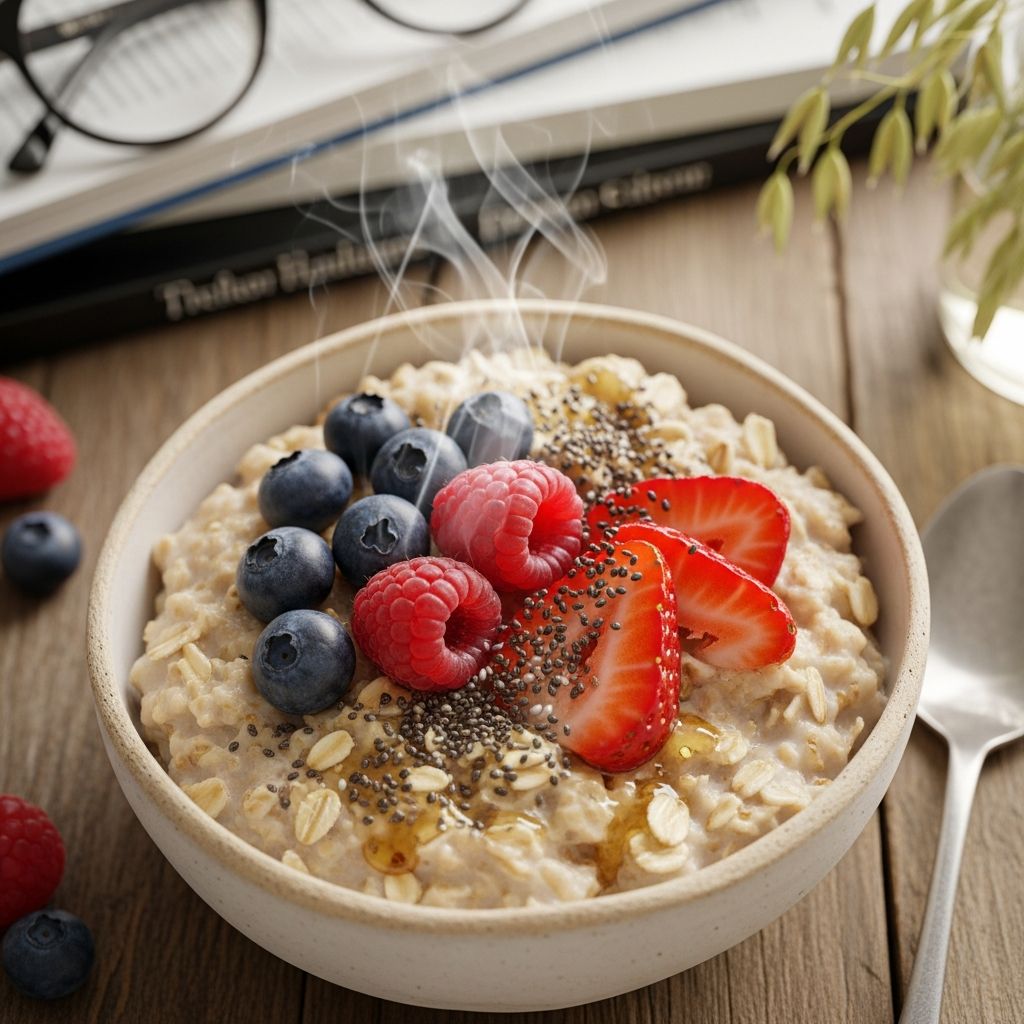
Consider a carrot-cake inspired oatmeal loaded with additional nutrients. A 3/4-cup serving provides 205 calories, 4 grams of total fat, 105 milligrams sodium, 36 grams carbohydrates, 3 grams fiber, and 7 grams protein. This recipe incorporates chia seeds, which are high in heart-healthy soluble fiber and omega-3 fatty acids. Both oats and chia seeds provide soluble fiber that lowers cholesterol levels, creating synergistic benefits.
The small amount of carrots in such recipes provides 100 percent of your daily vitamin A requirement and supports eye health and immune system function. The addition of calcium-rich ingredients creates a complete breakfast that supports multiple health systems simultaneously.
Preparation Tips for Maximum Nutrition
- Choose steel-cut or rolled oats over instant varieties to maintain a lower glycemic index
- Cook oatmeal in water or low-fat milk to preserve the beta-glucan benefits
- Add protein sources such as Greek yogurt, nuts, or seeds to increase satiety
- Include fruits and vegetables to boost micronutrient content and fiber intake
- Limit added sugars and sweeteners to prevent blood sugar spikes
- Prepare oatmeal the evening before and refrigerate for convenient grab-and-go breakfasts
Is Oatmeal Healthy for Everyone?
Oatmeal is appropriate for most people as part of a balanced diet. Individuals with celiac disease must consume certified gluten-free oats, as regular oats may be contaminated with wheat, barley, or rye during growing or processing. Those with oat allergies, though rare, should avoid oatmeal entirely.
For individuals managing specific health conditions—including diabetes, heart disease, or weight management—oatmeal can be an excellent dietary choice. Its combination of soluble fiber, protein, vitamins, and minerals addresses multiple health concerns simultaneously, making it a food that literally checks many nutritional boxes with each serving.
Frequently Asked Questions About Oatmeal
Q: How much beta-glucan do I need to see cholesterol benefits?
A: Research suggests that consuming oat products with higher beta-glucan content produces greater reductions in cholesterol levels, demonstrating a dose-response relationship. However, even modest oatmeal consumption provides measurable benefits, and regular consumption compounds these effects over time.
Q: Can oatmeal help with weight loss?
A: Yes, oatmeal supports weight management through multiple mechanisms: its fiber and protein content promote satiety and reduce hunger, beta-glucan delays gastric emptying to inhibit food intake, and its low calorie density (165 calories per half-cup serving) fits easily into calorie-controlled diets.
Q: Is instant oatmeal as healthy as steel-cut or rolled oats?
A: Instant oats have a similar nutrient profile but a higher glycemic index, meaning they raise blood sugar faster than minimally processed varieties. For optimal blood sugar control and sustained energy, steel-cut or rolled oats are preferable choices.
Q: How often should I eat oatmeal?
A: Oatmeal can be consumed daily as part of a balanced diet. Regular oatmeal consumption produces cumulative health benefits, particularly for cholesterol management and cardiovascular health. The FDA-approved health claim reflects decades of research showing consistent benefits from regular oat consumption.
Q: What additions make oatmeal even healthier?
A: Chia seeds add omega-3 fatty acids and additional soluble fiber; berries provide antioxidants; nuts and seeds add protein and healthy fats; and cinnamon may provide anti-inflammatory benefits. Avoid sugary toppings and sweeteners that spike blood glucose and diminish oatmeal’s health advantages.
Q: Can oatmeal help with digestive health?
A: Yes, oatmeal’s soluble fiber promotes healthy gut bacteria, increases beneficial short-chain fatty acid production (particularly butyrate), and improves overall digestive function. These effects support both digestive health and broader immune and metabolic health.
References
- Start Your Day with Healthy Oatmeal — Mayo Clinic Health System. 2024. https://sncs-prod-external.mayo.edu/hometown-health/speaking-of-health/start-your-day-with-healthy-oatmeal
- A Review of Health-Beneficial Properties of Oats — National Center for Biotechnology Information (PMC). 2022. https://pmc.ncbi.nlm.nih.gov/articles/PMC8625765/
- Take a Fresh Look at Oatmeal – It’s Not as Simple as You Think — American Heart Association. 2022-09-01. https://www.heart.org/en/news/2022/09/01/take-a-fresh-look-at-oatmeal-its-not-as-simple-as-you-think
Similar Articles








Read full bio of medha deb