Orzo Pasta: 5 Health Benefits And Nutrition Facts
Uncover the nutritional truth about orzo pasta: Is this rice-shaped staple a healthy choice for your meals?
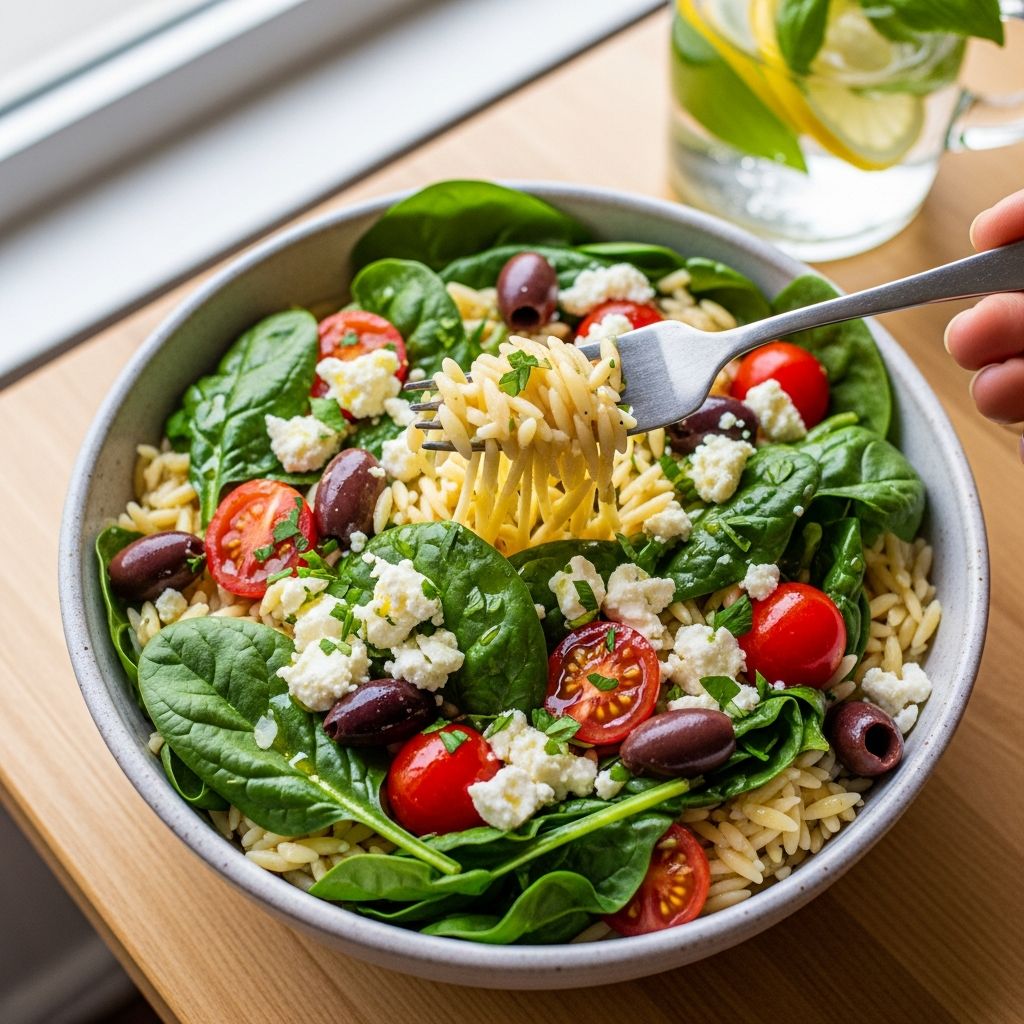
Orzo pasta, the small rice-shaped pasta commonly used in soups, salads, and Mediterranean dishes, can be a healthy dietary addition when selected thoughtfully, particularly in its whole-grain form, offering fiber, protein, vitamins, and minerals that support digestion, energy levels, and overall wellness.
What Is Orzo?
Orzo, derived from the Italian word for “barley” due to its resemblance to the grain, is a short-cut pasta made primarily from durum wheat semolina, giving it a versatile texture ideal for absorbing flavors in dishes like minestrone soup, Greek orzo salad, or as a risotto substitute. Unlike long noodles, its petite size—about the length of a grain of rice—allows it to cook quickly in 8-10 minutes, providing a chewy bite that pairs well with vegetables, lean proteins, and light sauces.
Traditionally crafted from refined wheat, orzo retains the nutty flavor of semolina while being low in fat. However, modern variations include whole-wheat, legume-based (like chickpea or lentil orzo), and gluten-free options made from rice, quinoa, or cassava flour, catering to diverse dietary needs such as gluten intolerance or low-carb preferences.
Orzo Nutrition Facts
A standard 2-ounce (dry) serving of cooked orzo pasta delivers approximately 200 calories, 42 grams of carbohydrates, 7 grams of protein, and 1 gram of fat, making it a moderate-energy food that’s low in saturated fat and cholesterol-free. Whole-grain versions boost these values, providing up to 4 grams of fiber and 8-9 grams of protein per serving, along with essential micronutrients.
| Nutrient (per 2 oz dry serving, cooked) | Traditional Orzo | Whole-Wheat Orzo | % Daily Value (approx.) |
|---|---|---|---|
| Calories | 200 | 180-200 | 9-10% |
| Protein | 7g | 8-9g | 14-18% |
| Carbohydrates | 42g | 35-38g | 13-14% |
| Dietary Fiber | 2g | 4-5g | 14-18% |
| Fat | 1g | 1-2g | 1-3% |
| Iron | 2-4mg | 4mg | 22-27% |
| Magnesium | ~20mg | 40mg | 10% |
Data compiled from nutritional analyses; values vary by brand and preparation. Enriched orzo often includes B vitamins like thiamin, niacin, and folate for metabolic support.
Health Benefits of Orzo Pasta
- Digestion and Gut Health: The fiber in whole-grain orzo (up to 11g per 100g dry) promotes regular bowel movements, prevents constipation, and feeds beneficial gut bacteria, reducing risks of digestive disorders.
- Energy and Satiety: Complex carbs provide sustained energy without blood sugar spikes, thanks to a lower glycemic index in whole-grain varieties, while protein enhances fullness.
- Heart Health: Soluble fiber lowers LDL cholesterol, B vitamins like niacin reduce plaque buildup, and low sodium supports blood pressure management.
- Muscle and Bone Support: Protein aids muscle repair, iron prevents anemia, and minerals like magnesium and calcium contribute to bone density.
- Weight Management: Higher fiber and protein curb overeating, with one cup of cooked orzo offering satisfying bulk at fewer calories than many rice dishes.
Is Orzo Healthier Than Rice?
Whole-grain orzo outperforms white rice nutritionally, boasting more protein (7-9g vs. 4g per serving), fiber (4g vs. 1g), and essential nutrients like iron and B vitamins, which white rice often lacks unless enriched. While both provide carbs for energy, orzo’s slower-digesting profile stabilizes blood sugar better than white rice’s high glycemic index.
| Per Cup Cooked | White Rice | Whole-Grain Orzo |
|---|---|---|
| Calories | 205 | 200 |
| Protein | 4g | 8g |
| Fiber | 1g | 4g |
| Iron | 1.5mg | 4mg |
Brown rice closes the gap but orzo’s versatility in salads and cold dishes makes it a practical swap.
Whole-Grain Orzo vs. Regular Pasta
Opting for whole-grain over refined orzo or standard pasta preserves the bran and germ, retaining fiber, antioxidants, and minerals stripped during refining—resulting in better blood sugar control, heart protection, and sustained energy. Regular semolina pasta is still nutrient-dense but lags in fiber (2g vs. 4-5g per serving).
Related Stories



- Refined pasta: Quick energy but potential for spikes.
- Whole-grain orzo: Steady release, higher satiety.
Orzo Pasta and Weight Loss
Whole-grain orzo supports weight loss through portion-friendly servings that satisfy hunger via fiber and protein, averaging 200 calories per cup with bulk from absorbed water during cooking. Studies link whole grains to lower BMI; pair with veggies and lean proteins for calorie-controlled meals like orzo-stuffed peppers.
Tip: Measure dry (1/2 cup = 1 cup cooked) to avoid overeating; its chewiness signals fullness.
Is Orzo Good for Heart Health?
Yes, particularly whole-grain orzo: its fiber binds cholesterol in the gut, B vitamins combat homocysteine (a heart risk factor), and low fat profile minimizes artery clogging. Regular consumption of whole grains like orzo is associated with 20-30% reduced cardiovascular risk per epidemiological data.
How to Cook Orzo Perfectly
- Boil 4 cups salted water per 1 cup dry orzo.
- Add orzo; cook 8-10 minutes al dente, stirring occasionally.
- Drain, rinse cold for salads, or toss with olive oil/veggies.
- Ratio: 1:4 orzo-to-water for fluffy texture.
Healthy Orzo Salad Recipes
- Mediterranean Orzo Salad: Mix cooked whole-grain orzo with cherry tomatoes, cucumbers, feta, olives, lemon-oregano dressing (300 cal/serving).
- Lemon Garlic Shrimp Orzo: Sauté shrimp, garlic; combine with orzo, spinach, parmesan.
- Vegetarian Pesto Orzo: Basil pesto, roasted veggies, chickpeas for plant-based protein.
These recipes emphasize veggies and healthy fats for balanced nutrition.
Frequently Asked Questions
Is orzo pasta gluten-free?
Traditional orzo contains gluten from wheat; choose certified gluten-free versions made from rice or legumes.
How many calories in orzo pasta?
About 200 calories per cooked cup (2 oz dry), varying by type.
Is orzo healthier than quinoa?
Quinoa edges out in complete protein, but whole-grain orzo matches in fiber and is more affordable/versatile.
Can orzo help with digestion?
Yes, fiber content aids transit and prevents constipation.
Best orzo brands for health?
Look for whole-grain or organic like Bionaturae, Barilla Whole Grain, or De Cecco.
References
- Is Orzo Pasta Healthy? Why It’s a Great Option for You — Fully Healthy. 2023. https://fullyhealthy.com/blogs/news/is-orzo-pasta-healthy
- Nutrition Facts – Calories in orzo pasta — Recipal. 2024. https://www.recipal.com/ingredients/13054-nutrition-facts-calories-protein-carbs-fat-orzo-pasta
- Orzo: The Little Pasta with Big Benefits — Stop Colon Cancer Now. 2013-04-01. https://stopcoloncancernow.com/news/april-2013/orzo-the-little-pasta-with-big-benefits/
- Orzo pasta Nutrition — SnapCalorie. 2024. https://www.snapcalorie.com/nutrition/orzo_pasta_nutrition.html
- How Much Protein Is in Orzo Pasta? — World of Pastabilities. 2024. https://worldofpastabilities.com/blogs/noodle-notes/how-much-protein-in-orzo-pasta
- Orzo, another type of pasta — Casa Perris. 2023. https://casaperris.com/en/blogs/general/el-orzo-otro-tipo-de-pasta
Similar Articles








Read full bio of Sneha Tete