Is Pea Milk Healthy? Nutrition, Benefits & Comparison
Discover the health benefits of pea milk, its nutritional profile, and how it compares to other plant-based alternatives.
Is Pea Milk Healthy?
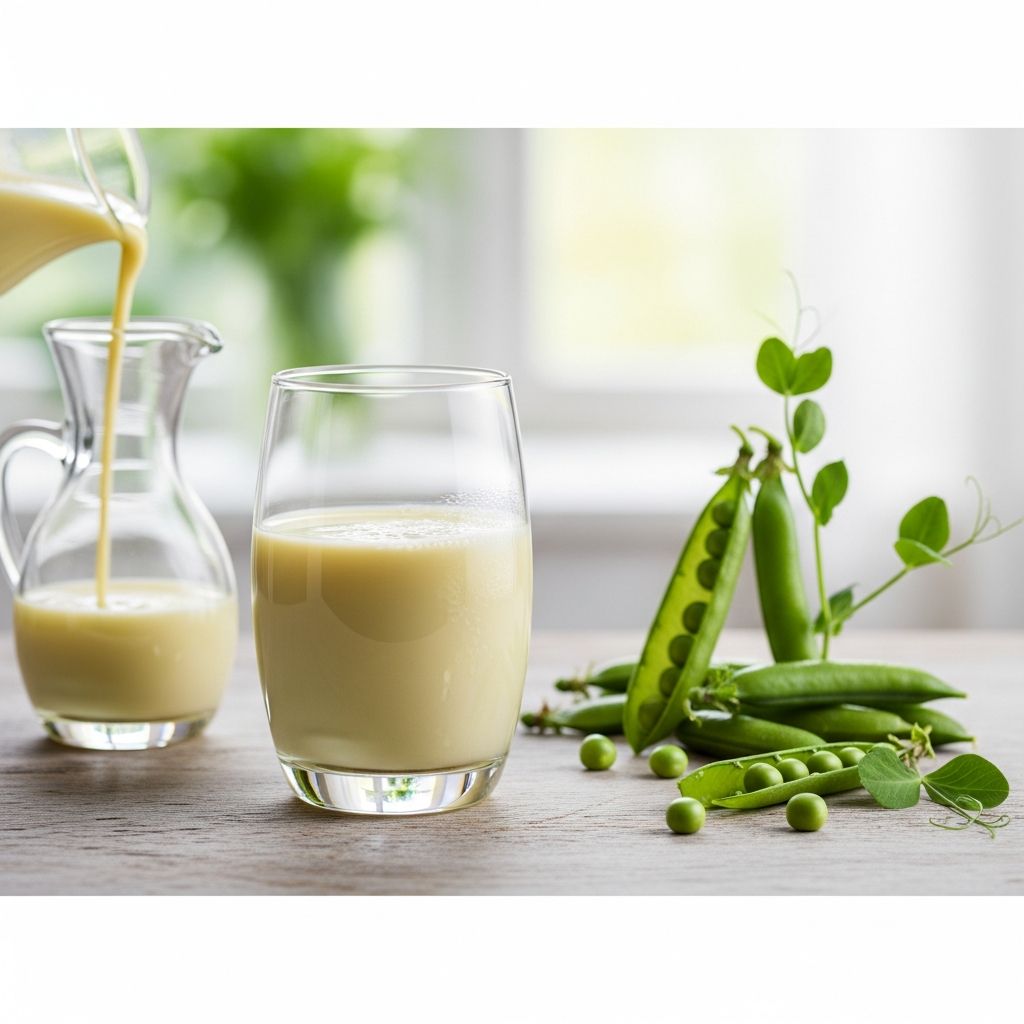
Pea milk has emerged as a popular plant-based alternative to traditional dairy milk, offering a unique nutritional profile that sets it apart from other non-dairy options. Made from yellow split peas, this creamy beverage provides substantial protein content comparable to cow’s milk while remaining free from common allergens. For those seeking a nutritious milk alternative that supports dietary restrictions and environmental sustainability, pea milk presents a compelling option worth considering.
What Is Pea Milk?
Pea milk is a plant-based beverage created from yellow split peas, which are naturally rich in protein, magnesium, iron, and B vitamins. Unlike some plant-based milks that have been available for decades, pea milk is a relatively newer entry to the market, gaining popularity as consumers seek alternatives with higher nutritional value. The milk has a thick, creamy texture and off-white color with a generally mild taste that appeals to those accustomed to traditional dairy milk.
This allergen-free beverage is naturally lactose-free, soy-free, nut-free, and gluten-free, making it suitable for individuals with multiple dietary restrictions or food sensitivities. The neutral flavor profile makes pea milk versatile for use in cereals, smoothies, coffee, baking, and cooking applications.
Nutritional Profile of Pea Milk
The nutritional composition of pea milk varies slightly depending on the variety and brand, but here’s what you can typically expect in an 8-ounce serving:
Unsweetened Pea Milk
- Calories: 70
- Protein: 8 grams
- Fat: 4.5 grams
- Carbohydrates: 0 grams
- Sugar: 0 grams
- Calcium: 45% of the Daily Value (fortified)
- Vitamin D: 30% of the Daily Value
- Iron: 15% of the Daily Value
- Potassium: 13% of the Daily Value
Sweetened Pea Milk
- Calories: 100
- Protein: 6-7 grams
- Fat: 4.5 grams
- Carbohydrates: 6 grams
- Sugar: 6 grams
Vanilla Pea Milk
- Calories: 130
- Protein: 8 grams
- Fat: 4.5 grams
- Carbohydrates: 15 grams
- Sugar: 15 grams
Chocolate Pea Milk
- Calories: 150
- Protein: 8 grams
- Fat: 4.5 grams
- Carbohydrates: 18 grams
- Sugar: 17 grams
Most pea milk brands are fortified with additional calcium, containing approximately 150% more calcium than cow’s milk to enhance bone health support. Additionally, pea milk contains potassium, vitamin A, and iron naturally present in yellow peas.
Key Health Benefits of Pea Milk
Excellent Source of Plant-Based Protein
One of the most significant advantages of pea milk is its protein content. With approximately 8 grams of protein per cup, pea milk matches the protein level of 2% cow’s milk, making it comparable to dairy in this crucial nutrient. This stands in stark contrast to other plant-based alternatives like almond milk, which typically contains only 1 gram of protein per cup, and coconut milk, which offers minimal protein content.
Pea protein is also rich in branched-chain amino acids (BCAAs), a specialized group of amino acids that support muscle growth and help regulate blood sugar levels. For vegetarians, vegans, and athletes seeking plant-based protein sources, pea milk provides a substantial contribution to daily protein needs without relying on animal products.
Dairy-Free and Allergy-Friendly
Pea milk offers a safe alternative for individuals with dairy allergies or lactose intolerance. Unlike cow’s milk, peas don’t contain lactose, the milk sugar that causes digestive issues for millions of people worldwide. The creamy texture and taste of pea milk closely resemble traditional dairy milk, making the transition to a dairy-free diet smoother for those accustomed to conventional milk products.
Related Stories



Beyond dairy-free benefits, pea milk is also naturally soy-free, making it suitable for individuals with soy allergies or sensitivities. It’s additionally nut-free and gluten-free, addressing multiple common allergens in a single product. This makes pea milk an excellent option for families with children who have multiple food allergies or dietary restrictions.
Rich in Essential Nutrients
Most pea milk brands are fortified with essential vitamins and minerals vital for overall health. Calcium fortification in pea milk often exceeds that found in regular dairy milk, supporting bone health and strength. Vitamin D fortification helps facilitate calcium absorption and supports immune function, particularly important for children and older adults.
Beyond standard fortification, pea milk contains higher levels of specific essential minerals compared to other plant-based milks. Research indicates that pea milk provides notable amounts of zinc, phosphorus, and selenium—micronutrients essential for immune function, metabolic processes, and cellular health.
Omega-3 Fatty Acids
Many commercial pea milk brands include omega-3 fatty acids from algal oil, a concentrated plant-based source of DHA (docosahexaenoic acid). DHA plays vital roles in heart health, immune function, nervous system development, and brain health. This addition makes pea milk particularly beneficial for those following vegan or vegetarian diets who may struggle to obtain adequate omega-3 intake.
Low Sugar Options Available
Unsweetened pea milk contains zero grams of added sugar, making it an ideal choice for individuals managing blood sugar levels, those with diabetes, or anyone aiming to reduce sugar consumption. Even the sweetened varieties from most brands are formulated to be lower in sugar compared to some flavored dairy milk options. By choosing unsweetened pea milk and adding your own vanilla extract or stevia for flavor, consumers can enjoy the benefits while maintaining control over sugar intake.
Pea Milk vs. Other Plant-Based Milks
| Milk Type | Protein (per cup) | Calories | Allergen-Free | Environmental Impact |
|---|---|---|---|---|
| Pea Milk | 8 grams | 70-100 | Yes (nut, soy, dairy, gluten-free) | Low water usage, small carbon footprint |
| Cow’s Milk (2%) | 8 grams | 130 | No (contains lactose and dairy proteins) | Higher water usage and carbon emissions |
| Almond Milk | 1 gram | 30-40 | No (tree nut allergen) | High water consumption |
| Soy Milk | 7 grams | 80-100 | No (soy allergen) | Moderate environmental impact |
| Oat Milk | 2-3 grams | 100-130 | Yes (if certified gluten-free) | Moderate water usage |
| Coconut Milk | 1 gram | 40-50 | No (tree nut allergen) | Moderate environmental impact |
When comparing pea milk to other popular plant-based alternatives, its protein content stands out significantly. Unlike almond, cashew, oat, or coconut milks, pea milk provides substantial protein comparable to soy milk and hemp milk. While unsweetened pea milk does contain slightly more carbohydrates than some nut milks, its nutritional density makes it particularly valuable for those prioritizing protein intake.
Environmental Benefits of Pea Milk
Beyond personal health considerations, pea milk represents an environmentally conscious choice. Yellow peas are easy and inexpensive to grow, requiring significantly less water than almond milk production, which demands substantial irrigation in arid regions. The cultivation of peas also generates a smaller carbon footprint compared to dairy milk production, which involves methane emissions from cattle and resource-intensive feed production.
For environmentally conscious consumers seeking to reduce their ecological impact while maintaining nutritional quality, pea milk offers a sustainable alternative that doesn’t compromise on taste or nutritional value.
Potential Drawbacks of Pea Milk
While pea milk offers numerous benefits, there are some considerations to keep in mind:
- Limited Availability: The primary drawback is that pea milk isn’t widely available in all grocery stores, particularly in rural areas or smaller communities. However, online retailers and specialty health stores often stock various brands.
- Added Oils: Some brands contain sunflower oil, which is high in omega-6 fatty acids. While not necessarily harmful in moderation, those limiting omega-6 intake should check ingredient labels.
- Flavored Varieties High in Sugar: Chocolate and vanilla flavored versions contain considerably more added sugar than unsweetened options, potentially offsetting some health benefits for those monitoring sugar consumption.
- Cost: Pea milk is generally more expensive than dairy milk and some other plant-based alternatives, which may influence purchasing decisions for budget-conscious consumers.
Who Should Consider Pea Milk?
Pea milk is an excellent choice for:
- Individuals with dairy allergies or lactose intolerance
- People with soy or tree nut allergies
- Vegans and vegetarians seeking high-protein plant-based options
- Children requiring nutrient-dense milk alternatives for proper growth and development
- Athletes and fitness enthusiasts pursuing plant-based protein sources
- Consumers with multiple food sensitivities
- Environmentally conscious individuals seeking sustainable food choices
How to Choose and Use Pea Milk
When selecting pea milk, prioritize unsweetened varieties to minimize added sugar intake while maintaining nutritional benefits. If you prefer sweetened versions, adding your own vanilla extract, stevia, or cocoa powder allows you to control sugar amounts while customizing flavor to your preferences.
Pea milk performs well in most applications where traditional milk is used, including cereals, smoothies, coffee beverages, baking, and cooking. Its neutral taste makes it adaptable to both sweet and savory recipes. For best results in baking, use shelf-stable varieties that maintain consistent texture and performance.
Frequently Asked Questions
Q: Is pea milk better than cow’s milk?
A: Pea milk is not necessarily “better,” but offers distinct advantages for specific populations. It provides equal protein to 2% dairy milk with more fortified calcium, while being suitable for those with dairy allergies, lactose intolerance, or vegan diets. Cow’s milk contains naturally occurring nutrients and bioavailable calcium that some prefer, while pea milk offers environmental and allergen-related benefits.
Q: Does pea milk taste like regular milk?
A: Pea milk has a mild, neutral taste with a creamy texture similar to cow’s milk. Most people find it more palatable than many other plant-based alternatives. However, taste preferences vary, and some may notice a subtle pea flavor, particularly in unsweetened varieties.
Q: Can children drink pea milk?
A: Yes, pea milk is suitable for children and can be particularly beneficial for those with dairy allergies or multiple food sensitivities. Its high protein content and fortified calcium and vitamin D support children’s growth and bone development. However, consult with a pediatrician if your child has specific nutritional needs or concerns.
Q: Is pea milk good for weight management?
A: Unsweetened pea milk contains only 70 calories per cup with 8 grams of protein, making it supportive of weight management goals. The protein content promotes satiety, helping control appetite and reduce overall calorie consumption.
Q: How does pea milk affect blood sugar?
A: Unsweetened pea milk has minimal impact on blood sugar due to its zero-carb, zero-sugar content. Pea protein’s BCAA content may also help regulate blood sugar levels. However, flavored varieties with added sugars may affect blood sugar more significantly.
Q: Is pea milk environmentally sustainable?
A: Yes, pea milk is considered environmentally sustainable. Yellow pea cultivation requires less water than almond milk production and generates a smaller carbon footprint than dairy milk, making it an eco-friendly choice for conscientious consumers.
Q: Can I make pea milk at home?
A: While commercial pea milk production uses pea protein isolate for proper texture and nutrition, you can make simplified versions by blending cooked peas with water and straining. However, homemade versions won’t match the fortification levels and smooth consistency of commercial products.
References
- Health Benefits of Pea Milk — WebMD. 2024. https://www.webmd.com/diet/pea-milk-health-benefits
- Is Pea Milk Healthy? Nutrition, Benefits, Uses, Downsides — Dr. Axe. 2024. https://draxe.com/nutrition/pea-milk-nutrition/
- Ripple Milk: 6 Reasons Why You Should Try Pea Milk — Healthline. 2024. https://www.healthline.com/nutrition/ripple-milk
- The Many Benefits of Sproud Milk — Baptist Health. 2024. https://www.baptisthealth.com/blog/primary-care/benefits-of-sproud-milk
- Pros and Cons of Pea Milk — Nutrition Over Easy. 2017. https://nutritionovereasy.com/2017/07/pros-and-cons-of-pea-milk/
Similar Articles








Read full bio of Sneha Tete