Peanut Butter: 5 Health Benefits And How To Choose
Uncover the truth about peanut butter's nutrition, health benefits, risks, and how to choose the best types for your diet.
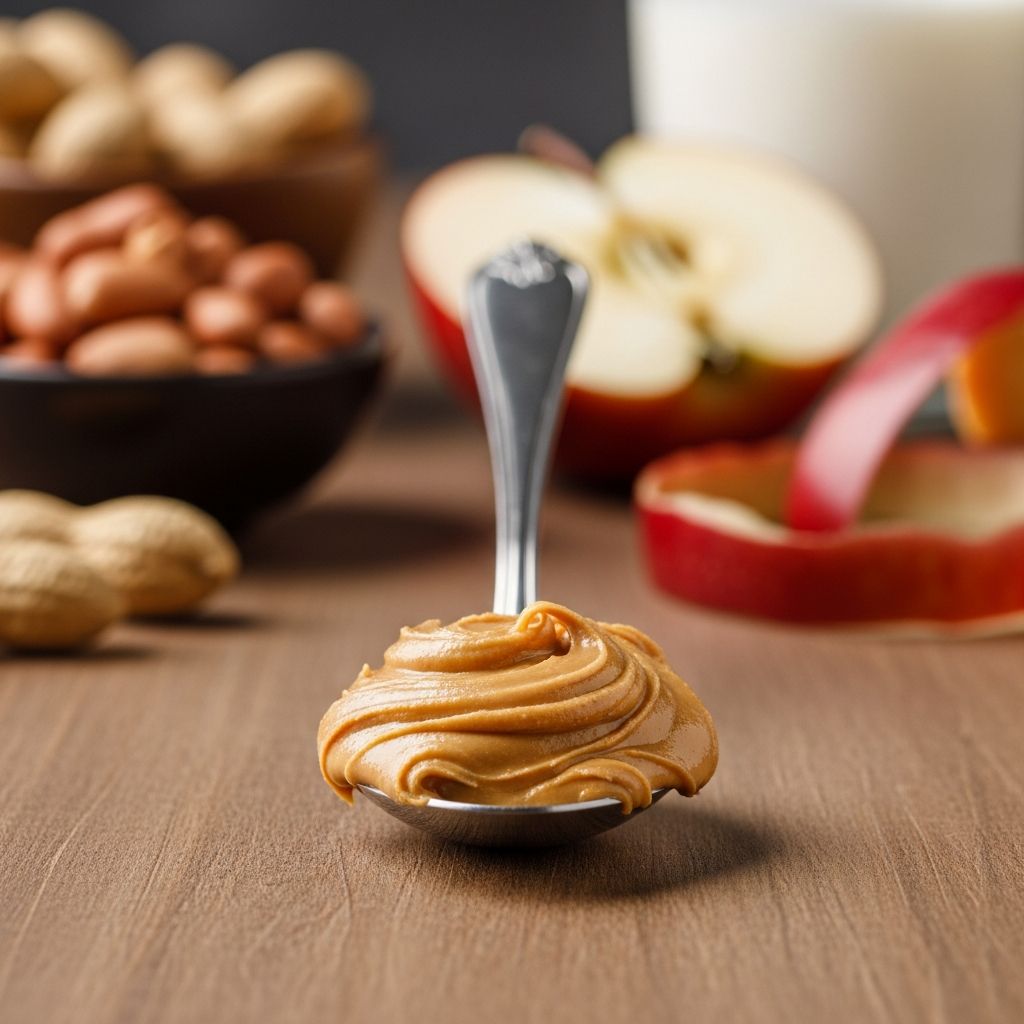
Peanut butter can be a nutritious addition to your diet when chosen wisely and consumed in moderation. It provides protein, healthy fats, fiber, and essential vitamins and minerals that support heart health, satiety, and more.
What Is Peanut Butter?
Peanut butter is made by grinding peanuts into a creamy or chunky paste. While traditionally just peanuts, many commercial varieties add sugar, salt, hydrogenated oils, or emulsifiers for texture and shelf life. Natural peanut butter typically contains only peanuts and sometimes salt, offering a purer nutritional profile.
Peanuts, the base ingredient, are legumes rich in monounsaturated and polyunsaturated fats, making peanut butter a calorie-dense spread similar to other nut butters.
Peanut Butter Nutrition Facts
A standard 2-tablespoon (32g) serving of peanut butter delivers about 190 calories, primarily from healthy fats. Key nutrients include:
- Protein: 7-8 grams (14% DV), supporting muscle repair and fullness.
- Total fat: 16 grams, mostly monounsaturated (50%) and polyunsaturated (33%) fats, with low saturated fat (14%).
- Fiber: 2-3 grams, aiding digestion and blood sugar control.
- Sugars: 3 grams (natural, no added in natural varieties).
- Sodium: 140mg (varies by brand).
- Key minerals: Magnesium (12% DV), phosphorus (10% DV), potassium, manganese (84% DV per 100g), copper (127% DV per 100g), iron (57% DV per 100g).
- Vitamins: Vitamin E, folate, niacin, and B vitamins.
These values are from unsalted, natural peanut butter; check labels as sweetened versions add sugars and calories.
| Nutrient (2 tbsp) | Amount | % Daily Value |
|---|---|---|
| Calories | 190 | 9.5% |
| Protein | 7.2g | 14% |
| Total Fat | 16g | 21% |
| Fiber | 2g | 7% |
| Magnesium | 50mg | 12% |
Health Benefits of Peanut Butter
Supports Heart Health
Peanut butter’s monounsaturated fats (like oleic acid) lower LDL cholesterol and maintain HDL, reducing heart disease risk. A randomized trial showed peanuts improved HDL levels over butter after 6 months. Reviews link peanut intake to lower triglycerides and stroke risk.
High magnesium and potassium further protect cardiovascular function.
Aids Weight Management
Despite 190 calories per serving, peanut butter promotes satiety via protein, fiber, and fats, curbing hunger better than carb snacks. Studies show nut consumers have lower BMI and obesity risk; peanuts don’t lead to weight gain due to dietary compensation and poor fat absorption from whole forms.
Helps Manage Blood Sugar
With a low glycemic index (14), peanut butter stabilizes blood sugar. Adding 2 tbsp to high-carb meals blunts spikes, beneficial for diabetes management.
Reduces Inflammation and Provides Energy
Antioxidants, vitamin E, and healthy fats combat inflammation. Peanuts are energy-dense (567 kcal/100g), ideal for sustained energy without crashes.
Other Benefits
- Rich in arginine for vascular health.
- Minerals like phosphorus support bone health.
- Bioactive compounds offer antioxidant protection.
Potential Downsides of Peanut Butter
Peanut butter isn’t perfect. A 2-tbsp serving packs nearly 200 calories, risking weight gain if overeaten. High oxalate content may contribute to kidney stones in susceptible individuals. Added sugars, oils, and sodium in processed types diminish benefits.
Peanut Allergies
Peanuts are a top allergen, causing severe reactions in 1-2% of people. Avoid if allergic.
Aflatoxins
Rarely, peanuts harbor aflatoxins (mold toxins linked to liver cancer), but U.S. regulations keep levels low (<20 ppb).
Is Peanut Butter Good for Weight Loss?
Related Stories



Yes, in moderation. Its satiating nutrients help control portions and replace less healthy snacks. Studies confirm no weight gain from regular intake; fiber/protein prolong fullness.
How to Choose a Healthy Peanut Butter
Opt for natural varieties: ingredients should list only peanuts (and salt). Avoid those with hydrogenated oils, sugar, or palm oil. Stirred, organic options minimize additives.
- Best: 100% peanuts or peanuts + salt.
- Avoid: First ingredients like sugar or oils.
Delicious and Healthy Ways to Enjoy Peanut Butter
- Spread on apple slices or celery for balanced snacks.
- Mix into oatmeal or smoothies for protein boost.
- Use in stir-fries, satays, or energy balls.
- Pair with dark chocolate or yogurt for treats.
- Add to salads or whole-grain toast.
Portion control: Stick to 1-2 tbsp daily.
Frequently Asked Questions (FAQs)
Is peanut butter keto-friendly?
Yes, natural peanut butter is low-carb (4g net carbs per 2 tbsp) and high-fat, fitting keto diets.
Does peanut butter cause weight gain?
No, when moderated; its satiety prevents overeating.
Is peanut butter inflammatory?
No, healthy fats and antioxidants reduce inflammation.
Can I eat peanut butter every day?
Yes, 1-2 tbsp supports health without excess calories.
Peanut butter vs. almond butter?
Similar nutrition; peanut is cheaper, almond has more fiber.
Bottom Line
Peanut butter is healthy in moderation, offering heart-protective fats, protein, and minerals. Choose natural types, watch portions, and enjoy its versatility for better nutrition.
References
- Peanut Butter Nutrition Facts, Benefits, and More — ForHers. 2023. https://www.forhers.com/blog/peanut-butter-nutrition
- Is Peanut Butter Good for You? Nutrition and Health Benefits — ZOE. 2024. https://zoe.com/learn/is-peanut-butter-good-for-you
- Peanuts as functional food: a review — PMC – NIH. 2016-01-02. https://pmc.ncbi.nlm.nih.gov/articles/PMC4711439/
Similar Articles








Read full bio of medha deb