Is Pesto Healthy? 7 Core Ingredients And Dietitian Tips
Uncover the truth about pesto's nutrition: healthy fats, antioxidants, and smart ways to enjoy this flavorful sauce without overdoing calories.
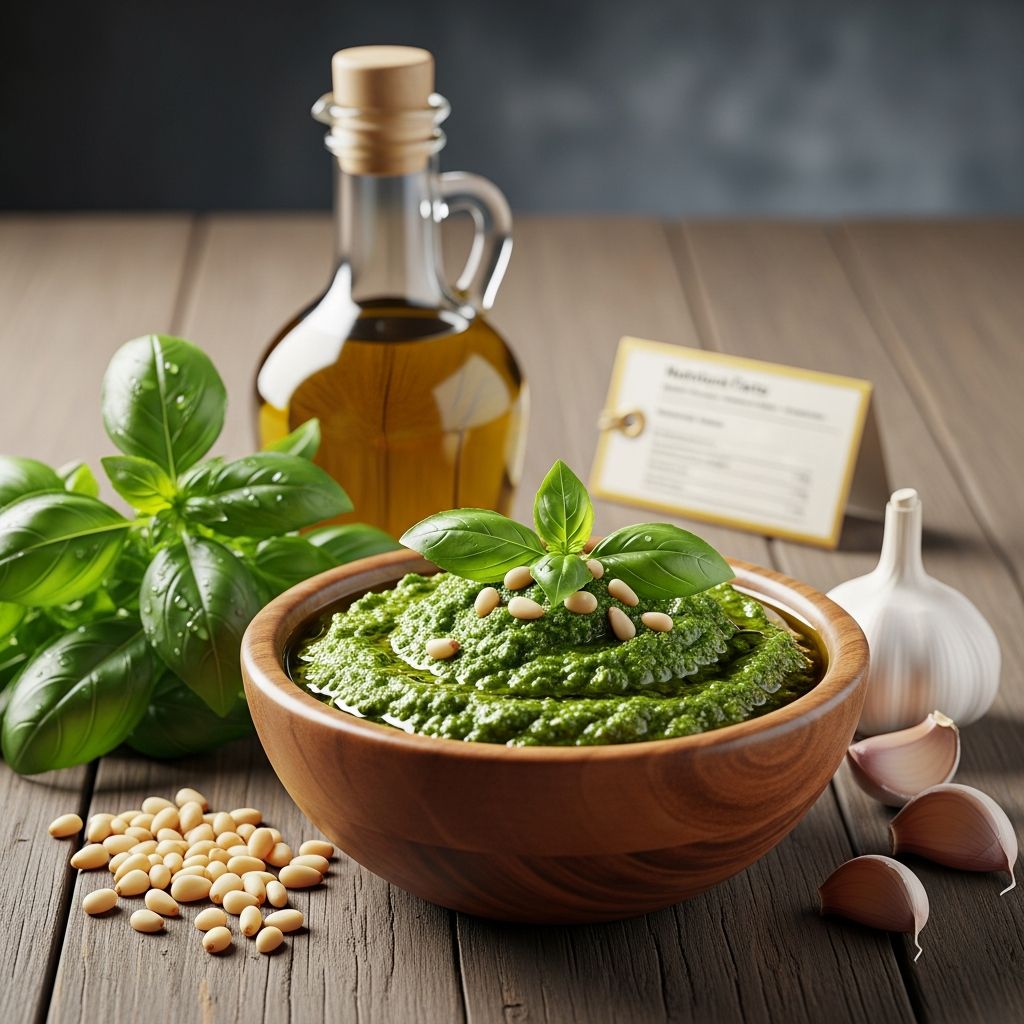
Pesto, the vibrant green sauce originating from Genoa, Italy, blends fresh basil, pine nuts, garlic, Parmesan cheese, and olive oil into a flavorful condiment loved worldwide. While it’s nutrient-dense with heart-healthy fats and antioxidants, its high calorie content calls for moderation. A registered dietitian breaks down pesto’s nutrition, benefits, drawbacks, and tips for healthier enjoyment.
What Is Pesto?
Traditional pesto alla Genovese features seven core ingredients: basil leaves, pine nuts, garlic, coarse salt, Parmigiano-Reggiano cheese, Pecorino Sardo cheese, and extra-virgin olive oil. This simple combination creates a versatile sauce perfect for pasta, sandwiches, salads, and more. Its name derives from the Genoese word ‘pestâ’ (to pound), reflecting the mortar-and-pestle preparation method.
Modern variations swap ingredients for accessibility or dietary needs, such as walnuts for pine nuts or dairy-free options. Despite changes, authentic pesto remains a Mediterranean diet staple, emphasizing whole, plant-based foods.
Pesto Nutrition Facts
A typical 2-tablespoon (about 28g) serving of commercial basil pesto packs significant calories primarily from fats. Here’s a breakdown per serving:
| Nutrient | Amount | % Daily Value* |
|---|---|---|
| Calories | 130 kcal | 7% |
| Total Fat | 13g | 17% |
| Saturated Fat | 2.5g | 13% |
| Monounsaturated Fat | 8g | – |
| Polyunsaturated Fat | 2g | – |
| Cholesterol | 5mg | 2% |
| Sodium | 300mg | 13% |
| Carbohydrates | 1g | 0% |
| Protein | 2g | 4% |
| Vitamin A | 400 IU | 8% |
| Vitamin C | 42mg | 70% |
| Calcium | 60mg | 6% |
*Based on a 2,000-calorie diet. Values vary by brand and recipe; homemade versions allow customization.
Nearly 60% of pesto’s calories come from fats, with 9.47g per tablespoon including 5.63g monounsaturated, 1.53g saturated, and 1.68g polyunsaturated fatty acids. It provides modest vitamins like A, K, C, and minerals such as calcium (33.1mg), phosphorus (36.8mg), potassium (31.8mg), and magnesium (9.76mg) per serving.
Health Benefits of Pesto
Pesto’s ingredients deliver potent health perks, making it more than just a tasty sauce.
- Heart-Healthy Fats: Olive oil and pine nuts supply monounsaturated and polyunsaturated fats that lower LDL (bad) cholesterol, support HDL (good) cholesterol, and reduce heart disease risk. Studies link these fats to improved blood pressure and cardiovascular health.
- Antioxidant Power: Basil, garlic, and olive oil are rich in antioxidants that combat free radicals, reducing inflammation and oxidative stress. This may lower risks of heart disease, cancer, diabetes, and neurodegenerative conditions like Alzheimer’s.
- Vitamin and Mineral Boost: High in vitamins A, K, and C from basil, plus calcium and iron. These support immune function, bone health, vision, and blood clotting.
- Digestive Support: Garlic’s prebiotic properties foster a healthy gut microbiome, while fiber from nuts aids digestion.
- Brain Health: Healthy fats contribute to cognitive function and may protect against age-related decline.
Per 100g, pesto offers 458 kcal, 8g protein, 5g carbs (2g fiber), and a low glycemic index of 15, making it suitable for blood sugar management.
Potential Downsides of Pesto
Despite benefits, pesto isn’t ideal in excess.
- High Calories: At 458 kcal per 100g, overconsumption can lead to weight gain. A single serving equals 130 calories, comparable to a small meal.
- Sodium Content: Store-bought versions often exceed 300mg sodium per serving, a concern for hypertension or low-sodium diets.
- Saturated Fat and Dairy: Cheese contributes saturated fat and cholesterol; lactose-intolerant individuals may react.
- Allergen Risks: Contains nuts, dairy, and garlic, common allergens.
- Quality Variability: Commercial pestos may include additives, excess oil, or inferior ingredients, diluting benefits.
Related Stories



Moderation is key: aim for 1-2 tablespoons per serving, paired with veggies or lean proteins.
Is Store-Bought or Homemade Pesto Healthier?
Homemade pesto wins for control over ingredients, freshness, and reduced sodium/additives. Store-bought options vary; check labels for extra-virgin olive oil, minimal preservatives, and nuts over fillers.
| Aspect | Store-Bought | Homemade |
|---|---|---|
| Calories | Often higher due to extra oil | Customizable portions |
| Sodium | High (300-500mg/serving) | Low if salt-reduced |
| Ingredients | May include fillers | Fresh, high-quality |
| Cost | Convenient but pricier | Economical long-term |
Opt for refrigerated, basil-forward brands or make your own for maximum nutrition.
Healthier Swaps for Pesto Ingredients
Lighten pesto without sacrificing flavor:
- Nuts: Use walnuts, almonds, or sunflower seeds instead of pricey pine nuts; they offer similar healthy fats and antioxidants.
- Oil: Reduce olive oil to 1/4 cup or blend with water/lemon juice for creaminess.
- Cheese: Swap half Parmesan for nutritional yeast or Greek yogurt for protein and lower fat/calories.
- Greens: Mix in spinach, kale, or arugula to boost fiber and vitamins while cutting basil cost.
- Herbs: Add parsley or cilantro for variety and extra antioxidants.
These tweaks can slash calories by 30-50% while preserving taste.
Healthy Ways to Use Pesto
- Toss 1 tbsp with zucchini noodles or whole-grain pasta and grilled chicken.
- Spread on whole-grain toast with tomato and mozzarella for a low-carb pizza.
- Mix into quinoa salads with veggies, chickpeas, and feta.
- Use as a marinade for fish or tofu.
- Drizzle over roasted veggies or eggs.
- Stir into soups or hummus for flavor boosts.
Portion control enhances satiety; pair with fiber-rich foods to balance the fats.
Easy Homemade Pesto Recipe
Lightened Basil Pesto (Makes 1 cup, ~80 calories per tbsp)
Ingredients:
- 2 cups fresh basil leaves
- 1/4 cup walnuts
- 2 garlic cloves
- 1/4 cup Parmesan or nutritional yeast
- 3 tbsp extra-virgin olive oil
- 2 tbsp lemon juice
- Salt and pepper to taste
Instructions:
- Blend all ingredients until smooth.
- Adjust with water for desired consistency.
- Store in fridge up to 1 week or freeze.
Nutrition per tbsp: 80 kcal, 8g fat, 1g carbs, 2g protein. Versatile and fresher than store-bought.
Frequently Asked Questions
Is pesto keto-friendly?
Yes, traditional pesto fits keto with low carbs (~1g per serving) and high healthy fats, but watch sodium and portions.
Can pesto be part of a weight-loss diet?
In moderation, yes—its fats promote fullness. Use sparingly (1 tbsp) with veggies or lean proteins.
Is pesto gluten-free?
Yes, inherently gluten-free, but check store-bought for cross-contamination.
How long does homemade pesto last?
Up to 5 days in the fridge or 3 months frozen; top with olive oil to preserve.
Can vegans eat pesto?
Traditional no, due to cheese. Use vegan alternatives like nutritional yeast or cashew-based cheese.
References
- Pesto — Nutrients, Health Benefits, and Shopping Tips — Listonic. 2023. https://listonic.com/p/nutrition/pesto
- Pesto – Nutritional and Health Benefits — Dr. Alex Jimenez. 2023. https://dralexjimenez.com/pesto-nutritional-and-health-benefits/
- Is Pesto Healthy? Types, Ingredients, Nutrients, and Recipe — Healthline. 2023-10-12. https://www.healthline.com/nutrition/is-pesto-healthy
- Is Pesto Healthy? Nutrients, Calories, Benefits, & More — Nutrition to Fit. 2023. https://nutritiontofit.com/is-pesto-healthy/
- Is Pesto Healthy? — Sol Kitchen Collingwood. 2023. https://solkitchencollingwood.ca/is-pesto-healthy/
Similar Articles








Read full bio of medha deb