Is Pizza Healthy? Nutrition Facts & Smarter Choices
Discover whether pizza can fit into a healthy diet and learn smart strategies to make it nutritionally balanced.
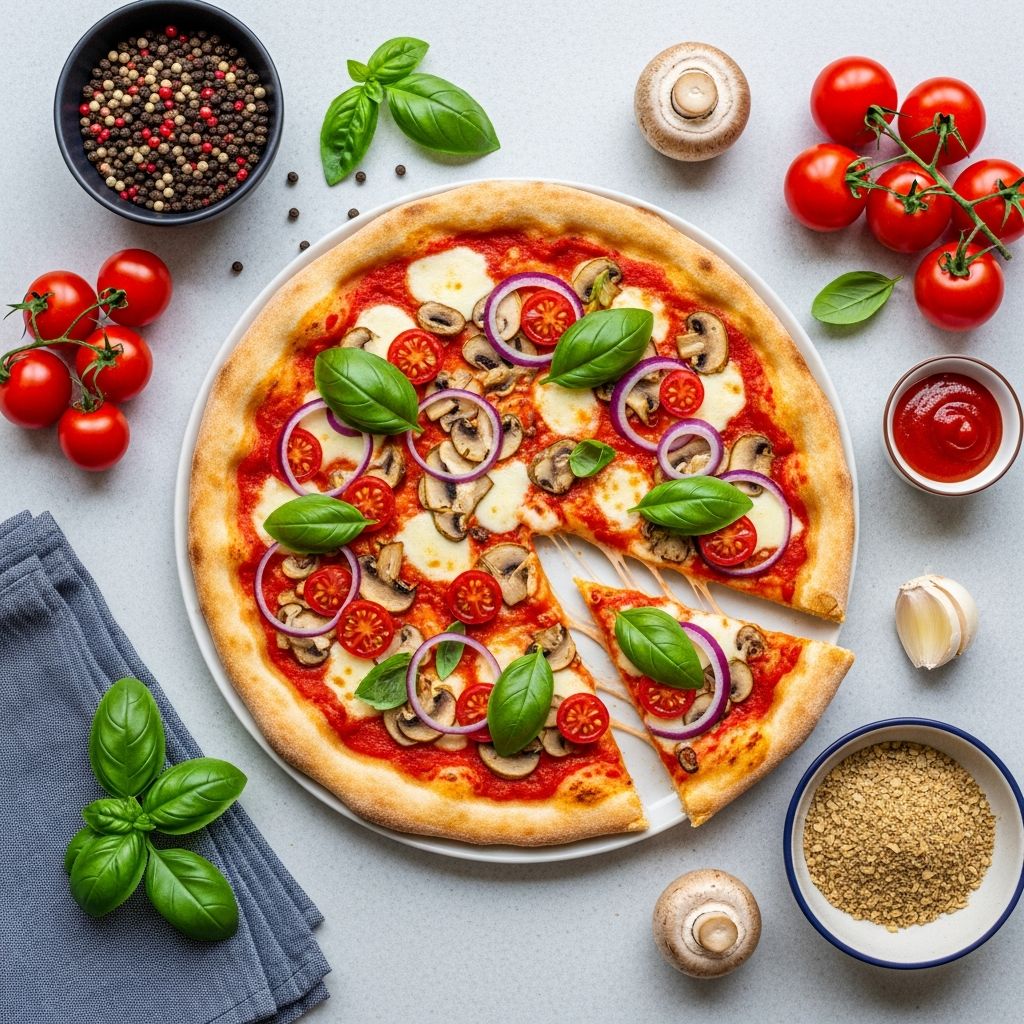
Pizza is one of America’s favorite foods, but the question of whether it’s healthy doesn’t have a simple yes or no answer. The truth is that pizza exists on a spectrum of healthiness—it can be a reasonably nutritious meal or a calorie and sodium-laden indulgence, depending on how it’s prepared and consumed. Understanding pizza’s nutritional profile and making informed choices can help you enjoy this beloved food while maintaining your health goals.
The Nutritional Profile of Pizza
Pizza’s nutritional value varies dramatically based on several key factors: the type of crust, the amount and type of cheese, the toppings selected, and portion size. A single slice can range from approximately 240 calories to over 480 calories, with similarly wide variations in saturated fat and sodium content.
The foundation of any pizza starts with the crust. Traditional white flour crusts are made from refined grains, which are digested quickly and provide minimal fiber. Whole wheat crusts, including whole white wheat varieties, offer superior nutritional value by providing whole grains and dietary fiber, which promotes slower digestion and more stable blood sugar levels.
Cheese is the signature ingredient that gives pizza its appeal, but it’s also a major source of calories and saturated fat. A single large slice can contain 4 to 10 grams of saturated fat depending on the amount of cheese used. While cheese does provide calcium, which is essential for bone health, there are more nutrient-dense calcium sources available.
The Sodium Concern in Pizza
One of the most significant nutritional challenges with pizza is its sodium content. The American Heart Association recommends limiting sodium intake to no more than 2,300 milligrams per day, with an ideal target of 1,500 milligrams for most adults to support heart health. A single personal pan pizza can easily provide 1,000 to 1,500 milligrams of sodium, representing a substantial portion of the daily recommended limit.
Sodium comes from multiple sources in pizza: the tomato sauce, the cheese, processed meat toppings, and sometimes the dough itself. Even vegetarian pizzas without meat toppings contain significant sodium from the base ingredients. This makes portion control and topping selection crucial for those monitoring their sodium intake.
Beneficial Nutrients in Pizza
Despite its nutritional challenges, pizza does contain some beneficial nutrients worth acknowledging. Tomato sauce, a primary pizza ingredient, is rich in lycopene, a powerful antioxidant compound that has been associated with various health benefits, including reduced risk of certain diseases. Research shows that cooking tomatoes actually increases lycopene bioavailability, making tomato sauce more beneficial than raw tomatoes in this regard.
The cheese topping provides calcium and protein, both important nutrients for bone health and muscle maintenance. Additionally, vegetable toppings like bell peppers, mushrooms, onions, and spinach add vitamins, minerals, and fiber to the meal.
Comparing Pizza Types and Toppings
Related Stories



The type of crust and toppings you choose makes an enormous difference in pizza’s nutritional value. Consider these comparisons:
| Pizza Type (Large Slice) | Calories | Saturated Fat | Sodium |
|---|---|---|---|
| Thin Crust Veggie Lovers | 240 cal | 4g | 710mg |
| Meat Lovers Pan Pizza | 480 cal | 10g | 1,180mg |
As this comparison demonstrates, choosing a thin crust with vegetable toppings can reduce your calorie intake by 50% compared to a deep-dish meat lovers pizza. The saturated fat content drops by 60%, and sodium decreases by approximately 40%.
Healthier Pizza Choices: Practical Strategies
Choose Your Crust Wisely
Opt for thin crust rather than deep dish or pan pizza styles. Thin crusts contain fewer calories and less refined flour. If whole wheat is available, it’s a superior choice to white flour, though you should verify that it’s truly whole grain rather than simply colored whole wheat flour.
Control the Cheese
Request less cheese or ask for cheese on one side only. This simple modification can significantly reduce saturated fat and sodium while still maintaining the pizza experience. Some pizzerias offer cheese-light options upon request.
Load Up on Vegetables
Choose toppings like:
- Bell peppers (red, yellow, or green)
- Mushrooms
- Onions
- Spinach or other leafy greens
- Tomatoes
- Broccoli
- Olives
Vegetable toppings add volume, nutrients, and fiber without significantly increasing calories or sodium.
Limit Processed Meat Toppings
Pepperoni, sausage, ham, and bacon are high in saturated fat and sodium. If you want meat on your pizza, choose grilled chicken breast, which is leaner and provides protein with less fat.
Mind Your Portions
Eating two or three slices with a side salad provides a more balanced meal than consuming five or six slices. A standard serving is typically two slices of regular pizza or three slices of thin crust.
Pizza and Weight Loss
Can pizza fit into a weight loss plan? Yes, with strategic choices. A slice of thin-crust vegetable pizza (approximately 240 calories) can be incorporated into a calorie-controlled diet, especially if paired with nutrient-dense sides like a salad with vinaigrette dressing or a vegetable-based soup.
The key is treating pizza as a component of a balanced meal rather than consuming multiple slices as the entire meal. This approach helps manage total calorie intake while still enjoying pizza’s appeal.
What Research Says About Occasional Indulgence
Recent research provides encouraging news about occasional pizza indulgence. A study from the University of Bath found that when healthy young adults consumed excessive amounts of pizza (up to one and a half large pizzas in a single meal), their bodies managed the calorie load surprisingly well. Blood sugar levels remained normal, and while insulin increased, the metabolic response was controlled.
The study concluded that occasional overeating, such as enjoying a large buffet meal or special pizza night, poses no immediate negative metabolic consequences for otherwise healthy individuals. However, the researchers emphasized that regular overeating leading to cumulative weight gain remains a serious health concern.
Special Considerations: Frozen and Alternative Pizzas
Frozen Pizzas
While convenient, frozen pizzas often contain higher levels of sodium, saturated fat, and preservatives than fresh alternatives. Many frozen options also contain trans fats, making them less healthy choices. If you choose frozen pizza, carefully read nutrition labels and select options with lower sodium and saturated fat content.
Dairy-Free and Gluten-Free Options
Pizzas without dairy or gluten are increasingly available, but their healthfulness varies as much as traditional pizzas. Some dairy-free cheeses are highly processed, and gluten-free crusts may contain refined starches. Evaluate these options based on their complete nutritional profile rather than assuming they’re automatically healthier.
Pizza Consumption in Children
Pizza consumption patterns in children warrant special attention. Research indicates that pizza consumption among children and adolescents is associated with higher daily calorie intake and increased consumption of saturated fat and sodium. This effect is particularly pronounced when pizza is consumed as a snack or from fast-food restaurants.
Interestingly, pizza served in school cafeterias did not significantly impact overall calorie intake, likely because school pizzas maintain nutritional standards similar to other school meals. Parents can help children make healthier pizza choices by teaching them about nutrient-dense toppings and practicing portion control at home.
The Bottom Line on Pizza and Health
Pizza can absolutely be part of a healthy diet when you make informed choices about crust type, cheese quantity, and toppings. The healthiest pizza approach involves:
- Selecting thin crust over deep dish
- Choosing whole grain options when available
- Requesting moderate or light cheese
- Maximizing vegetable toppings
- Limiting processed meats
- Practicing appropriate portion control
- Pairing pizza with nutrient-dense sides
Rather than viewing pizza as inherently unhealthy or forbidden, recognize it as a food that exists on a nutritional spectrum. By understanding its nutritional components and making strategic choices, you can enjoy pizza as part of a balanced, health-conscious eating pattern.
Frequently Asked Questions
Q: How many slices of pizza should I eat in one sitting?
A: A typical healthy serving is two to three slices, depending on slice size and your overall calorie needs. Pair pizza with a side salad or vegetable-based soup to increase satiety and nutrient density.
Q: Is whole wheat pizza crust significantly healthier than regular crust?
A: Yes, whole wheat crust offers more fiber and nutrients and is digested more slowly than refined white flour crust. However, ensure the whole wheat version uses genuinely whole grains rather than simply being colored with whole grain flour.
Q: Can I eat pizza if I’m trying to lose weight?
A: Yes, pizza can fit into a weight loss plan with strategic choices. Opt for thin crust, vegetable toppings, light cheese, and appropriate portions. A slice of thin-crust vegetable pizza contains approximately 240 calories, making it compatible with most weight loss diets.
Q: Is the sodium in pizza a serious health concern?
A: For most people, yes. A single personal pan pizza can contain your entire daily sodium recommendation (1,500 mg). Those with hypertension or heart disease should be particularly mindful of pizza sodium content and practice portion control.
Q: Are there any healthy nutrients in pizza?
A: Absolutely. Pizza sauce provides lycopene, an antioxidant associated with health benefits, cheese provides calcium and protein, and vegetable toppings add vitamins, minerals, and fiber.
Q: What’s the healthiest type of pizza to order?
A: Choose thin crust with light cheese and loaded with vegetables, while minimizing processed meat toppings. A thin-crust vegetable pizza provides approximately 240 calories per large slice compared to 480 calories for a meat lovers deep-dish slice.
References
- Is Pizza Healthy? Nutrition, Sodium & Smarter Slices — Michael Moody Fitness. Accessed January 2026. https://www.michaelmoodyfitness.com/personaltrainersfitnessanddietblog/is-pizza-healthy-review
- Pizza study shows body copes surprisingly well with one-off calorie indulgence — University of Bath. July 24, 2020. https://www.sciencedaily.com/releases/2020/07/200724103753.htm
Similar Articles








Read full bio of medha deb