Romaine Lettuce: 7 Science-Backed Health Benefits
Discover the impressive nutrition profile of romaine lettuce, its health benefits, potential risks, and versatile ways to enjoy this crisp leafy green.
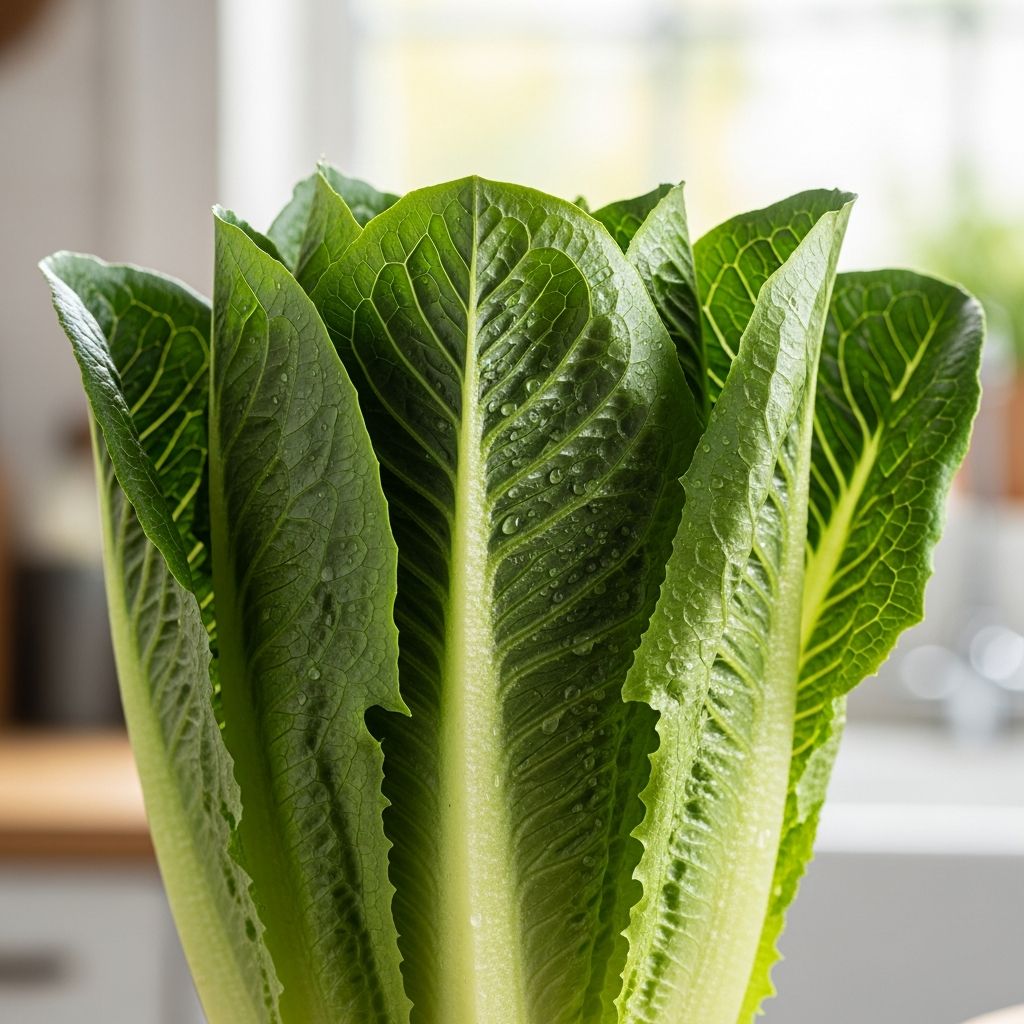
Romaine lettuce, known for its crisp texture and sturdy leaves, is a popular choice for salads, wraps, and more. This leafy green is low in calories yet rich in essential vitamins and minerals, making it a nutritious addition to any diet. One cup of shredded romaine (about 47 grams) provides approximately 8 calories, 1-2 grams of carbohydrates, and high levels of vitamins A, C, K, and folate, along with minerals like calcium, potassium, magnesium, and phosphorus.
Romaine Lettuce Nutrition Facts
Romaine lettuce stands out among leafy greens for its nutrient density. It’s 94-95% water, which contributes to its hydrating properties and low calorie count, ideal for weight management. Key nutrients per cup of shredded romaine include:
- Vitamin K: About 40% of the daily value (DV), essential for blood clotting and bone health.
- Vitamin A (from beta-carotene): Over 100% DV in two ounces, supporting vision, skin, and immunity.
- Vitamin C: 10-20% DV per serving, boosting immunity and skin elasticity.
- Folate: Significant amounts for heart health and cell function.
- Calcium, Phosphorus, Magnesium, Potassium: Supporting bones, muscles, and blood pressure regulation.
- Fiber: Nearly 10% DV in two cups, aiding digestion and cholesterol control.
- Protein: Up to 8 grams per head, a plant-based option for muscle health.
Its low glycemic index and high water content (about 20 ounces per head) make it filling without spiking blood sugar. Romaine also contains antioxidants like phenolics, which combat oxidative stress.
Health Benefits of Romaine Lettuce
1. Excellent Source of Antioxidants
Romaine is loaded with vitamins A and C, powerful antioxidants that fight free radicals linked to cancer, heart disease, and arthritis. These nutrients regulate genes, support cell differentiation, and reduce inflammation. Studies highlight their role in eye health, skin protection, and immunity. Phenolics in romaine leaves and seeds further reduce oxidative stress and may promote sleep.
2. Supports Strong Bones
As a top source of vitamin K, romaine aids bone density and prevents osteoporosis better than calcium alone in some studies. Vitamin K works with calcium for bone mineralization and reduces fracture risk. It also supplies phosphorus (24.5 mg per 70g serving), calcium, and magnesium for bone strength.
3. Promotes Heart Health
Folate in romaine converts homocysteine to prevent plaque buildup in arteries. Vitamins A and C oxidize cholesterol, improve blood flow, and reduce clot risk. Potassium (one-third RDA per head) controls blood pressure, while nitrates and fiber lower cholesterol. Beta-carotene and vitamin C prevent arterial damage.
4. Enhances Skin Health
Vitamins A and C protect against UV damage and skin cancer. They combat acne and inflammation due to romaine’s low glycemic index, unlike high-sugar diets that trigger flare-ups. Potassium and B vitamins further support clear skin.
5. Boosts Immunity
Vitamin A regulates immune genes, fights infections, and protects mucous membranes. Vitamin C supports white blood cell function. Together, they nourish the digestive tract against harmful bacteria.
6. Aids Weight Loss and Digestion
With negligible calories, carbs, and fat, but high volume and water, romaine is ideal for weight loss—it fills you up and reduces bloat. Fiber promotes regularity, controls cholesterol, and enhances nutrient absorption.
Related Stories



7. Additional Benefits
- Muscle Health: Plant protein builds muscle as effectively as animal sources.
- Blood Pressure: Potassium, nitrates, and low sodium minimize salt’s impact.
- Hydration and Energy: High water and copper boost energy and joint health.
- Low Glycemic Index: Reduces risks of diabetes, cancer, and stroke.
Potential Downsides of Romaine Lettuce
While nutritious, romaine has risks. E. coli outbreaks have affected romaine, often from contaminated irrigation water. Always wash thoroughly, buy from reputable sources, and check FDA alerts. It’s low in fiber compared to darker greens, so pair with other veggies. Those on blood thinners should monitor vitamin K intake for consistency. Oxalates are low, posing minimal kidney stone risk.
How to Select and Store Romaine Lettuce
Choose heads with vibrant green outer leaves, crisp ribs, no wilting or browning. Store unwashed in a plastic bag in the crisper drawer for up to 10 days. Wash just before use under running water, patting dry. Pre-washed hearts are convenient but verify recalls.
Romaine Lettuce Recipe Ideas
Incorporate romaine creatively:
- Classic Caesar Salad: Toss with dressing, croutons, and parmesan.
- Wraps: Use leaves for low-carb tacos or burger wraps.
- Grilled Romaine: Halve, brush with oil, grill 2-3 minutes per side, top with vinaigrette.
- Blended Smoothies: Add to fruit blends for nutrition boost.
- Stir-Fries: Sauté hearts with garlic and soy sauce.
These ideas keep meals exciting and nutrient-packed.
Frequently Asked Questions (FAQs)
Is romaine lettuce healthier than iceberg?
Yes, romaine has far more vitamins A, C, K, and folate than iceberg, which is mostly water.
Can you eat romaine lettuce every day?
Absolutely, its low calories and high nutrients make it suitable daily, but vary greens for broader nutrition.
Does romaine lettuce have oxalates?
Low levels, safer for kidney stone concerns than spinach.
Is romaine lettuce good for weight loss?
Yes, very low calories with high water and fiber for satiety.
How do you know if romaine lettuce is bad?
Discard if slimy, heavily browned, or foul-smelling.
Comparison of Romaine vs. Other Lettuces
| Nutrient (per cup) | Romaine | Iceberg | Butterhead | Spinach |
|---|---|---|---|---|
| Calories | 8 | 14 | 7 | 7 |
| Vitamin A (% DV) | 80+ | 3 | 35 | 50 |
| Vitamin K (% DV) | 40 | 10 | 25 | 400 |
| Folate (% DV) | 15 | 5 | 10 | 20 |
Romaine outperforms iceberg significantly.
References
- Romaine Lettuce Nutrition, Benefits, Side Effects and Recipes — DrAxe.com. 2023-10-15. https://draxe.com/nutrition/romaine-lettuce-nutrition/
- 15 Surprising Nutritional Benefits of Romaine Lettuce — Hitchcock Farms. 2024-05-20. https://www.hitchcockfarms.com/blog/15-surprising-nutritional-benefits-of-romaine-lettuce
- Does Romaine Lettuce Have Any Nutritional Benefits? — Healthline. 2025-01-10. https://www.healthline.com/health/food-nutrition/romaine-lettuce
- Romaine Lettuce Nutrition Facts — LettuceInfo.org. 2024-08-12. https://lettuceinfo.org/romaine-lettuce-nutrition/
- Romaine Lettuce Nutrition: Crisp, Nutrient-Packed, and Versatile — Taylor Farms. 2024-03-05. https://www.taylorfarms.com/the-taylor-leaf/recipes/romaine-lettuce-nutrition-crisp-nutrient-packed-and-versatile/
- Phytochemicals, Nutrition, Metabolism, Bioavailability, and Health Effects in Lettuce — PMC (NCBI). 2022-06-15. https://pmc.ncbi.nlm.nih.gov/articles/PMC9219965/
Similar Articles








Read full bio of Sneha Tete