Rotisserie Chicken: Key Insights On Nutrition, Benefits & Risks
Uncover the nutritional truth about rotisserie chicken: high-protein convenience food with benefits and caveats for smart eating.
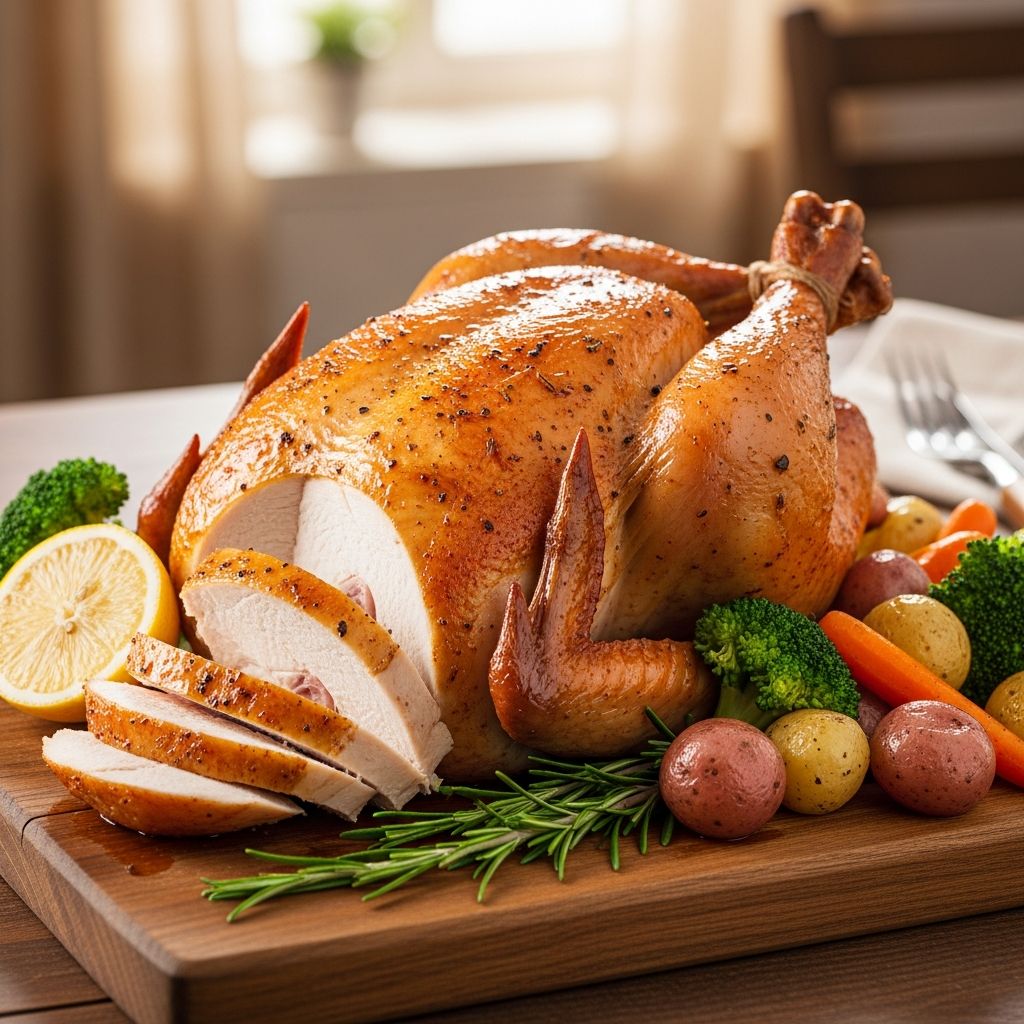
Rotisserie chicken is a grocery store staple—convenient, affordable, and flavorful. But is it a nutritious choice or a hidden health risk? This article examines its nutrition profile, benefits, drawbacks, and tips for making it part of a balanced diet.
What Is Rotisserie Chicken?
Rotisserie chicken is whole chicken slowly roasted on a spit, often seasoned with herbs, spices, and sometimes injected solutions for flavor and moisture. Unlike fried chicken, it’s oven-roasted, making it lower in calories and unhealthy fats. Grocery chains sell millions weekly due to its versatility for salads, sandwiches, soups, and meals.
The process enhances juiciness, but many brands add sodium, phosphates, or broth injections to boost tenderness and shelf life. These can elevate sodium content significantly. Opting for plain or low-sodium versions maximizes health benefits.
Rotisserie Chicken Nutrition Facts
Nutritional value varies by cut (breast vs. thigh), skin inclusion, and preparation. It’s zero-carb, high-protein, with notable vitamins and minerals. Breast meat is leanest; thighs offer more iron but higher fat.
Below is a comparison table for a 3-ounce (85g) serving, based on USDA data and analyses. Values are approximate % Daily Value (DV) where applicable.
| Breast, Skinless | Breast, with Skin | Thigh, Skinless | Thigh, with Skin | |
|---|---|---|---|---|
| Calories | 140 | 190 | 170 | 220 |
| Protein (g) | 25 | 24 | 22 | 20 |
| Total Fat (g) | 3 | 9 | 8 | 15 |
| Saturated Fat (g) | 1 | 3 | 2 | 4 |
| Sodium (mg) | 350 | 450 | 350 | 450 |
| Niacin (% DV) | 50 | 30 | 51 | 30 |
| Selenium (% DV) | 36 | 33 | 36 | 35 |
| Phosphorus (mg) | 200 | 180 | 190 | 170 |
Skinless breast provides the most protein per calorie. Skin adds fat and sodium. Dark meat has more iron (1mg/100g thigh) and zinc. A 100g serving of breast with skin: 175 calories, 26g protein, 7g fat.
Health Benefits of Rotisserie Chicken
- High-Quality Protein: Supports muscle repair, satiety, and metabolism. 25g per 3oz serving aids weight management.
- Rich in B Vitamins: Niacin (B3) for energy; B6, B12 for nerve health and red blood cells.
- Key Minerals: Selenium (antioxidant), phosphorus (bone health), zinc (immunity).
- Lower Fat than Fried Options: Roasted method beats fast food; skinless is very lean.
- Convenient Nutrition: Beats processed meats; pairs well with veggies for balanced meals.
Studies affirm lean poultry like skinless rotisserie supports heart health when not overconsumed.
Potential Downsides and Concerns
While nutritious, caveats exist:
- High Sodium: Often 400-500mg per serving from brines/seasonings. Excessive intake risks hypertension.
- Phosphates: Additives linked to artery hardening, bone issues, especially risky for kidney patients. Not always listed fully.
- Skin Fat: Doubles calories; mostly saturated.
- Processing: Injections add up to 15% weight in solution, mostly salt/water.
Those with CKD, hypertension, or on low-sodium diets should limit or choose skinless/plain. Compared to plants like beans, it has less fiber but more complete protein.
How to Choose a Healthy Rotisserie Chicken
- Pick plain or herb-seasoned over heavy spice/sugar rubs.
- Choose freshly cooked; avoid over 2 days old to minimize bacteria.
- Remove skin to cut fat/sodium by 30-50%.
- Check labels for no added phosphates/solutions.
- Buy from reputable stores with transparent ingredients.
Rotisserie Chicken vs. Other Proteins
| 100g Serving | Calories | Protein (g) | Fat (g) | Sodium (mg) |
|---|---|---|---|---|
| Rotisserie Breast, Skinless | 165 | 31 | 3.6 | 400 |
| Fried Chicken Breast | 250 | 25 | 12 | 600 |
| Black Beans (cooked) | 132 | 9 | 0.5 | 2 |
| Grilled Salmon | 206 | 22 | 12 | 60 |
Rotisserie wins over fried for convenience/low fat but lags plants in fiber/sodium.
Related Stories



Healthy Rotisserie Chicken Recipes
Yummy Rotisserie Chicken Sandwich (Serves 6)
Per serving: 309 cal, 25g protein, 11g fat, 26g carbs.
- 2 cups shredded rotisserie chicken (skinless)
- 6 whole-grain buns
- 1/4 cup low-fat mayo, lettuce, tomato
- Mix chicken with mayo, herbs; assemble sandwiches.
Chicken Salad Bowl
- 3oz diced chicken, greens, quinoa, avocado, lemon vinaigrette.
- Balanced macros: high protein, fiber-rich.
Frequently Asked Questions
Is rotisserie chicken healthy?
Yes, especially skinless—high protein, nutrient-dense, healthier than fried chicken.
Is the skin healthy?
No, it adds fat and sodium; remove for leaner option.
How much sodium in rotisserie chicken?
350-500mg per 3oz; watch if on low-sodium diet.
Is it better than home-roasted chicken?
Similar nutrition; store versions higher sodium.
Can I eat it daily?
In moderation, yes; balance with plants, vary proteins.
Phosphates in rotisserie chicken?
Common additives; risky for kidney issues—avoid skin.
Rotisserie chicken fits healthy diets when chosen mindfully. Prioritize skinless, low-sodium for optimal nutrition.
References
- Is Rotisserie Chicken Healthy? Nutrition, Calories, Benefits, and More — Healthline. 2023. https://www.healthline.com/nutrition/is-rotisserie-chicken-healthy
- Is Rotisserie Chicken Healthy? Nutrition Facts Explained By A Dietitian — Nourish. 2024. https://www.usenourish.com/blog/is-rotisserie-chicken-healthy
- Is Rotisserie Chicken a Healthy Choice? — N.C. Cooperative Extension (USDA-affiliated). 2024-03-01. https://lenoir.ces.ncsu.edu/2024/03/is-rotisserie-chicken-a-healthy-choice/
- The Nutritional Benefits of Skinless Rotisserie Chicken — Oreate AI (USDA-based). 2024. http://oreateai.com/blog/the-nutritional-benefits-of-skinless-rotisserie-chicken/601814a8ca707a4deece20fefaef51c8
- Is Rotisserie Chicken Healthy? Why Is It So Cheap? — The Humane League. 2023. https://thehumaneleague.org/article/rotisserie-chicken
Similar Articles








Read full bio of Sneha Tete