Is Salmon Good For You? 7 Health Benefits & Nutrition Facts
Discover the impressive health benefits of salmon, from heart health to brain function, backed by its rich nutrient profile.
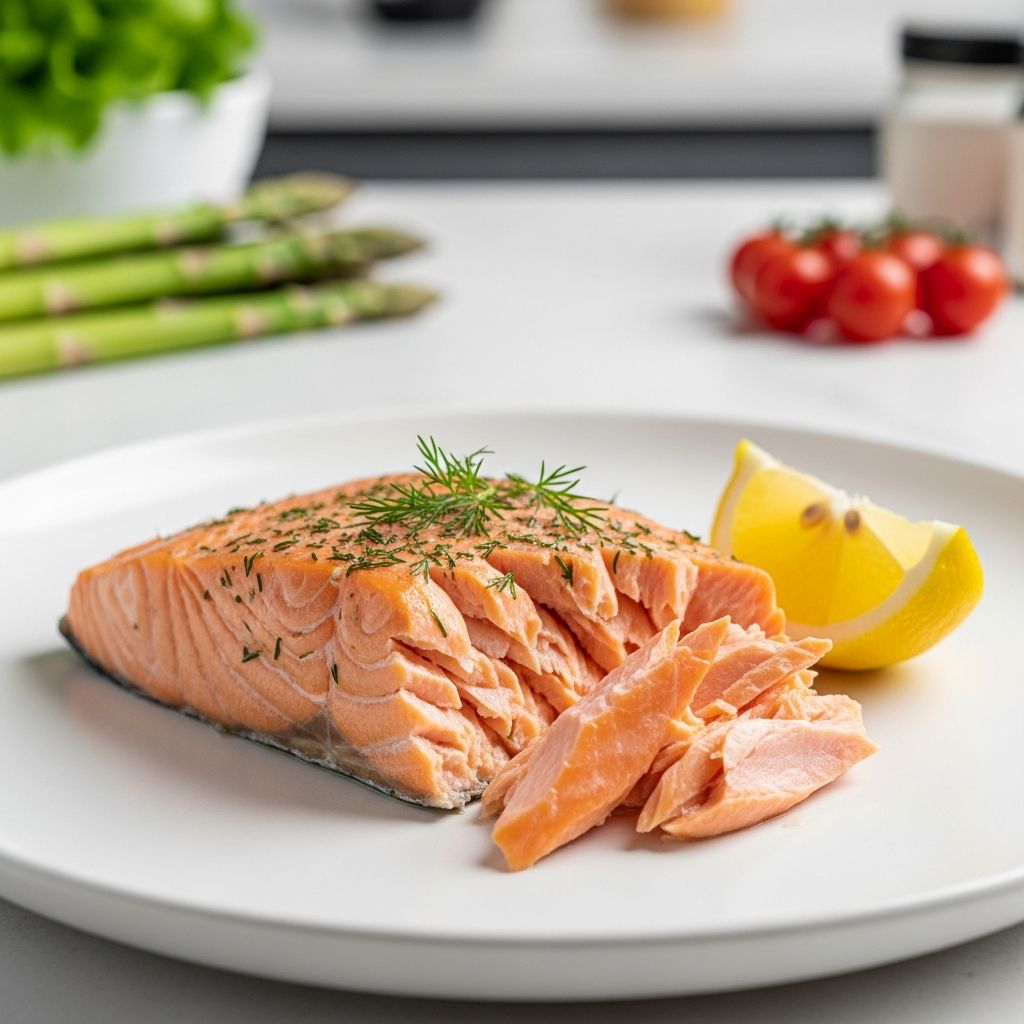
Salmon stands out as one of the most nutrient-dense foods available, offering a powerhouse of omega-3 fatty acids, high-quality protein, and vital vitamins and minerals that contribute to numerous health benefits. Regularly including salmon in your diet can support heart health, brain function, bone strength, and immune response, making it a true superfood for overall wellness.
Salmon Nutrition Facts
A typical 3- to 4-ounce serving of salmon provides around 200 calories, with low saturated fat and high levels of protein, making it an ideal choice for balanced nutrition. This serving delivers substantial amounts of vitamin B12, potassium, vitamin D, selenium, phosphorus, iodine, choline, pantothenic acid, biotin, and omega-3 fatty acids.
For a precise breakdown, consider a 3.5-ounce (100-gram) serving of wild or farmed salmon:
- Calories: Approximately 180-200
- Protein: 22-25 grams (high-quality, complete protein with all essential amino acids)
- Total Fat: 10-13 grams, primarily healthy omega-3s (2.2-2.3 grams of EPA and DHA)
- Vitamin D: Up to 74-85% of Daily Value (DV)
- Vitamin B12: Over 200% DV in some servings
- Selenium: 75-85% DV
- Potassium: 9-13% DV
- Phosphorus: 20-21% DV
- Thiamine (B1): 23-28% DV
- Other B Vitamins: Niacin (B3), Riboflavin (B2), B6, Folate
These nutrients position salmon as an excellent source for energy production, DNA repair, and metabolic health.
7 Health Benefits of Salmon
1. Excellent Source of High-Quality Protein
Salmon provides 22-25 grams of complete protein per 3.5-ounce serving, essential for muscle repair, bone health, and maintaining muscle mass during weight loss or aging. Protein in salmon supports enzyme and hormone production, making it particularly beneficial for athletes, those recovering from injury, or individuals in physically demanding jobs.
2. Rich in Omega-3 Fatty Acids
One of salmon’s standout features is its high content of long-chain omega-3s, EPA and DHA—2.2-2.3 grams per serving. These fats reduce inflammation, support brain health, improve cell function, protect joints, enhance mood, and lower risks of cardiovascular issues like heart attacks, strokes, and arrhythmias.
3. Great Source of B Vitamins
Salmon is loaded with B vitamins such as B12, B6, niacin (B3), riboflavin (B2), thiamine, and folate. These nutrients aid in converting food to energy, DNA synthesis and repair, reducing chronic inflammation, and maintaining brain and nervous system function.
4. Good Source of Potassium
With up to 13% DV per serving, potassium in salmon helps regulate blood pressure, prevent fluid retention, and reduce stroke risk, especially when paired with omega-3s. It works synergistically with sodium for optimal fluid balance.
5. Loaded with Selenium
Providing 75-85% DV, selenium supports thyroid function, DNA synthesis, reproductive health, bone strength, and cancer protection. Studies show salmon consumption raises blood selenium levels more effectively than supplements.
Related Stories



6. May Support Bone Health
Salmon’s vitamin D (up to 85% DV) and phosphorus promote bone mineral density and reduce osteoporosis risk. Low vitamin D links to bone loss in older adults, and regular fish intake may lower this risk, though more research is ongoing.
7. Contains Astaxanthin, a Powerful Antioxidant
The pink hue of salmon comes from astaxanthin, an antioxidant that combats oxidative stress, potentially preventing neurodegenerative, cardiovascular, and inflammatory diseases like heart disease, rheumatoid arthritis, and depression.
Wild Salmon vs. Farmed Salmon: Is One Healthier?
Both wild and farmed salmon offer excellent nutrition, with similar omega-3 (2.2g wild vs. 2.3g farmed per 100g), protein, and nutrient profiles. Wild salmon tends to be lower in calories and contaminants but is seasonal and pricier. Farmed salmon is more accessible year-round, with comparable benefits.
| Nutrient (per 100g) | Wild Salmon | Farmed Salmon |
|---|---|---|
| Omega-3s (EPA+DHA) | 2.2g | 2.3g |
| Protein | 25g | 22g |
| Calories | 182 | 208 |
| Vitamin D | High | High |
Farmed salmon may have slightly higher fat content, enhancing omega-3 delivery, but choose responsibly sourced options to minimize contaminants.
Potential Downsides and Risks of Eating Salmon
While beneficial, salmon carries risks. Farmed varieties may contain higher contaminants like PCBs and dioxins; opt for wild or certified farmed. Raw salmon risks parasites—cook to 145°F. Those with fish allergies or mercury concerns (low in salmon) should consult doctors. Limit to 2-3 servings weekly.
How Much Salmon Should You Eat?
Aim for at least two 3-4 ounce servings per week, aligning with dietary guidelines for heart health and omega-3 intake. This provides optimal benefits without excess contaminant exposure.
Delicious Ways to Enjoy Salmon
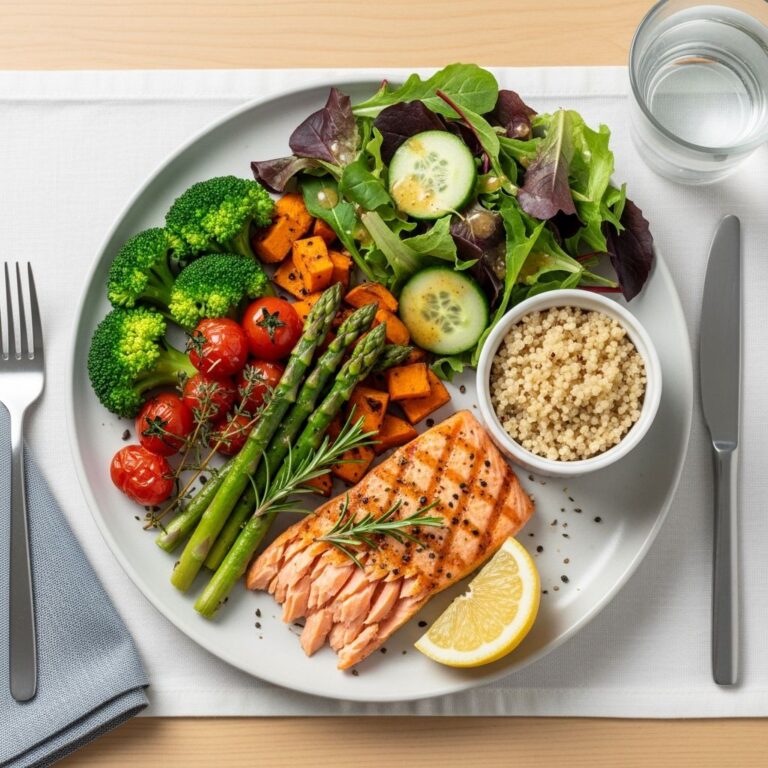
- Baked Salmon: Season with herbs, lemon, and bake at 400°F for 12-15 minutes.
- Grilled Salmon: Marinate and grill for smoky flavor.
- Salmon Salads: Flake over greens with vinaigrette.
- Salmon Poke Bowls: Use sushi-grade for raw prep.
- Smoked Salmon: Top bagels or salads (watch sodium).
These methods preserve nutrients and add variety.
Frequently Asked Questions (FAQs)
Is canned salmon healthy?
Yes, canned salmon retains most nutrients, offering convenient omega-3s and protein. Choose low-sodium, wild-caught options.
Which is better: wild or farmed salmon?
Both are nutritious; wild has fewer contaminants, farmed more omega-3s. Prioritize sustainability.
Can you eat salmon every day?
Moderation is key—2-3 servings weekly avoids risks while maximizing benefits.
Is salmon roe healthy?
Salmon eggs (roe) provide protein, vitamins A, B12, C, and potassium in low-calorie servings.
Does cooking salmon destroy omega-3s?
Minimal loss; gentle methods like baking preserve them best.
References
- Salmon Nutrition: Health Benefits Explained — Healthline. 2023. https://www.healthline.com/nutrition/salmon-nutrition-and-health-benefits
- Health Benefits of Salmon — WebMD. 2024-01-15. https://www.webmd.com/food-recipes/benefits-salmon
- The Health Benefits of Salmon — SEARHC. 2023. https://searhc.org/the-health-benefits-of-salmon/
- Nutrition Facts of Salmon Filet — MoWi Salmon. 2024. https://mowisalmon.us/nutrition-facts-of-salmon-filet-why-this-fish-deserves-a-spot-on-your-plate/
- Wild Alaska Seafood Nutrition Information — Alaska Seafood Marketing Institute. 2025. https://www.alaskaseafood.org/health-nutrition/nutrition-information/
Similar Articles








Read full bio of Sneha Tete