Is Sex Dangerous If You Have Heart Disease?
Understand sexual activity safety after heart disease diagnosis and get expert guidance.
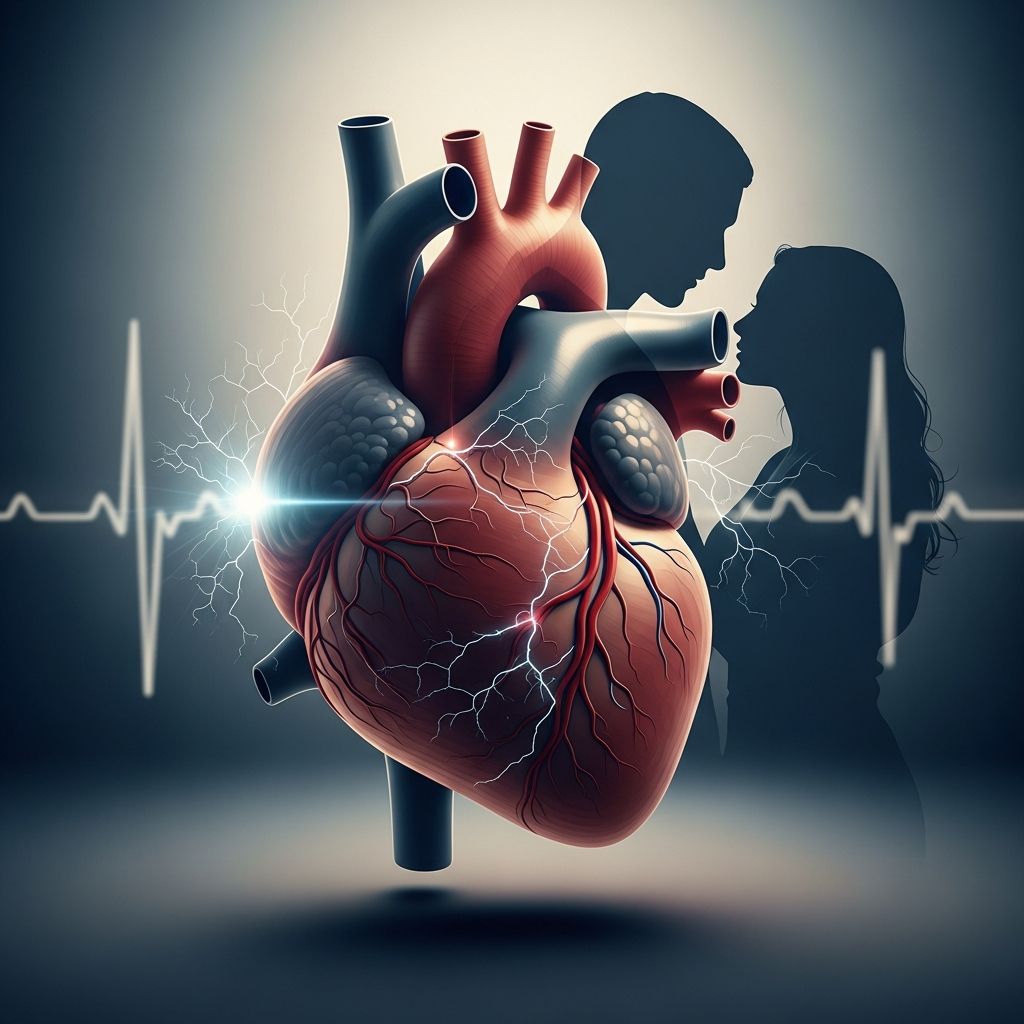
The diagnosis of heart disease can raise many concerns about daily life and activities, including questions about sexual intimacy. Many patients wonder if sexual activity is safe after experiencing a heart attack or being diagnosed with cardiovascular disease. This is a legitimate concern that deserves clear, evidence-based answers. The good news is that for most people with heart disease, sexual activity can be resumed safely with proper guidance and precautions from healthcare providers.
Understanding the Relationship Between Sex and Heart Health
Sexual activity is a form of physical exertion that increases heart rate and blood pressure temporarily. Research suggests that men who have sex at least twice a week and women who report having satisfying sex lives are less likely to experience a heart attack. These protective benefits can be attributed to the fact that sexual activity strengthens the heart, lowers blood pressure, reduces stress, and improves sleep quality. Sexual health has significant impacts on overall well-being and can offer protective benefits against cardiovascular events.
However, the concern that sexual exertion could trigger a heart attack in someone with existing heart disease is understandable. The American Heart Association recommends that individuals who have experienced a heart attack or have been diagnosed with heart disease and stroke should consult a healthcare professional before resuming sexual activity. This consultation helps determine individual risk levels and establish appropriate safety guidelines.
Physical Demands of Sexual Activity
Sexual activity requires physical exertion comparable to moderate exercise. During intercourse, heart rate and blood pressure increase, oxygen consumption rises, and the body experiences increased metabolic demands. For context, sexual activity typically requires similar physical effort to climbing two flights of stairs or walking briskly for two to three minutes.
For most people with stable heart disease who can exercise without symptoms, sexual activity at a comfortable pace with a familiar partner is generally considered safe. The risk of triggering a cardiac event during sexual activity is relatively low—studies indicate that sexual activity accounts for less than one percent of heart attacks in the general population. The risk is even lower in people who are physically active and maintain cardiovascular fitness.
When to Seek Medical Clearance
Before resuming sexual activity after a cardiac event, it is essential to discuss this with your healthcare provider. They can assess your individual situation based on factors including:
- The type and severity of your heart condition
- Your current medications and their potential effects on sexual function
- Your overall fitness level and exercise tolerance
- Your risk factors for another cardiac event
- Presence of other medical conditions affecting sexual function
Most cardiologists recommend that sexual activity can generally be resumed when a patient can exercise at moderate intensity without chest pain, shortness of breath, or other symptoms. This typically occurs several weeks after a heart attack or cardiac procedure, though timing varies by individual.
Warning Signs During Sexual Activity
Understanding warning signs is crucial for safe sexual activity with heart disease. Stop sexual activity immediately and seek medical attention if you experience:
Related Stories



- Chest pain or pressure
- Shortness of breath that doesn’t resolve with rest
- Dizziness or lightheadedness
- Palpitations or unusual heart rhythms
- Severe fatigue or weakness
- Nausea or sweating unrelated to exertion
If symptoms occur, stop the activity, rest, and contact emergency services if symptoms persist. These warning signs should be reported to your healthcare provider at your next appointment.
Medications and Sexual Function
Some heart medications can affect sexual function. Beta-blockers, certain diuretics, and some antidepressants used to treat heart disease may impact erectile function or sexual desire. If you experience sexual difficulties after starting new medications, discuss this with your healthcare provider. There are often alternative medications available with fewer sexual side effects, and adjusting dosages or timing of medication may help.
It is important not to stop taking prescribed medications without medical guidance, even if you suspect they affect sexual function. Your cardiologist and primary care physician can work together to find solutions that maintain both cardiac health and sexual satisfaction.
Erectile Dysfunction and Heart Disease
Erectile dysfunction (ED) can be an early warning sign of cardiovascular disease and shares many risk factors with heart disease, including high blood pressure, diabetes, high cholesterol, and smoking. Men who experience ED should discuss this with their healthcare provider, as it may indicate need for additional cardiovascular screening or risk factor management.
The relationship between erectile dysfunction and cardiovascular disease is particularly relevant because both conditions involve blood vessel function. Endothelial dysfunction—impaired function of blood vessel linings—underlies both conditions. Treating cardiovascular risk factors often improves erectile function, making comprehensive heart disease management beneficial for sexual health as well.
Sex Hormone Changes and Cardiovascular Risk
Recent research from Johns Hopkins has revealed important connections between sex hormone levels and cardiovascular disease risk. Studies analyzing data from over 2,800 postmenopausal women found that a higher proportion of male to female sex hormones was associated with increased cardiovascular disease risk. For every standardized unit increase in the ratio of testosterone to estrogen, there was a 19 percent increase in cardiovascular disease risk, a 45 percent increase in coronary heart disease risk, and a 31 percent increase in heart failure risk.
The mechanisms behind these associations involve several pathways. Testosterone can raise blood pressure and contribute to insulin resistance, which are harmful to cardiovascular health. In contrast, estrogen relaxes blood vessels and lowers bad cholesterol levels, providing protective cardiovascular effects. While these findings suggest hormone balance affects heart disease risk, researchers emphasize that hormone therapy should not be pursued solely to reduce cardiovascular risk without further study and individual medical evaluation.
Gender Differences in Heart Disease
Men and women experience heart disease differently, and these differences extend to sexual health. Prior to menopause, women have lower heart disease rates than men, but this advantage disappears after menopause as estrogen levels decline. Women may develop cardiovascular disease later in life but often have earlier onset of hypertension.
Gender differences in heart aging may underlie sex differences observed in heart failure and other cardiac conditions. Research points to the need for gender-tailored treatments and personalized approaches to heart disease management. Women with heart disease should discuss their unique risk factors and symptoms with healthcare providers who understand sex and gender differences in cardiovascular medicine.
Communication With Healthcare Providers
Research presented at the American Heart Association 2024 Scientific Sessions found that patients with cardiovascular conditions want more guidance on sexual health from their healthcare team, noting significant discrepancies between the information they seek and what is typically provided. A survey of patients with heart disease found that 78 percent of respondents wanted information on sexual health, but only 5 percent received it from healthcare providers.
Common topics patients want to discuss include adverse effects of medications (60 percent), erectile dysfunction (50 percent), impact on relationships (47 percent), and anxiety before sex (35 percent). Despite this desire for information, many patients don’t receive adequate guidance. Healthcare professionals should make discussing sexual health a standard and respectful topic in clinical settings, similar to discussions about vaccination, diet, and exercise.
Patients should not hesitate to initiate conversations about sexual health with their cardiologist or primary care physician. These discussions are medically relevant and important for overall quality of life after a heart disease diagnosis.
Practical Tips for Safe Sexual Activity
- Schedule sexual activity when you are well-rested and not stressed
- Avoid sexual activity immediately after large meals or alcohol consumption
- Choose familiar positions and settings that feel comfortable
- Take nitrates as prescribed if recommended by your cardiologist
- Maintain open communication with your partner about your comfort level and concerns
- Progress gradually if you’ve been inactive, building up physical conditioning
- Keep medications, especially nitroglycerin, readily accessible during sexual activity
- Avoid extreme temperatures (very hot or cold environments) during sexual activity
When to Avoid Sexual Activity
Certain situations warrant avoiding sexual activity or waiting longer before resuming. These include:
- Immediately after a heart attack (typically wait several weeks with medical clearance)
- During periods of chest pain or other cardiac symptoms
- When experiencing acute illness or infections
- After cardiac procedures until your cardiologist provides clearance
- When severely fatigued or emotionally stressed
- If experiencing uncontrolled high blood pressure or arrhythmias
Role of Exercise and Fitness
Overall cardiovascular fitness is one of the best predictors of whether sexual activity will be safe and enjoyable. Patients who can exercise at moderate intensity without symptoms can typically engage in sexual activity safely. Cardiac rehabilitation programs after heart attacks help patients build physical conditioning while being monitored by healthcare professionals.
Regular moderate exercise not only improves sexual function and confidence but also reduces cardiovascular risk factors. Walking, swimming, cycling, and other aerobic activities strengthen the heart and improve blood vessel function. Building physical fitness should be part of comprehensive heart disease management.
Frequently Asked Questions
Q: How long after a heart attack can I resume sexual activity?
A: Most patients can resume sexual activity after 4-6 weeks following a heart attack, provided they can exercise at moderate intensity without symptoms. However, individual timing varies, so consult your cardiologist for personalized guidance.
Q: Can sexual activity trigger another heart attack?
A: The risk of sexual activity triggering a heart attack is very low—less than one percent of heart attacks are attributed to sexual activity. The risk is even lower in people who maintain good cardiovascular fitness.
Q: Should I take medication before sexual activity?
A: Some patients take nitroglycerin before sexual activity if prescribed by their cardiologist. Never take any medication without specific medical guidance. Discuss this with your healthcare provider.
Q: How do I know if I’m physically fit enough for sexual activity?
A: If you can walk briskly or climb stairs without chest pain, shortness of breath, or other symptoms, you are generally fit enough for sexual activity. Your cardiologist can provide more specific guidance based on your condition.
Q: Can heart medications affect sexual function?
A: Yes, some heart medications can affect sexual function. If you experience problems, discuss this with your healthcare provider—alternative medications or dosage adjustments may help.
Q: Is it normal to feel anxious about sexual activity after heart disease?
A: Yes, anxiety is very common. Many patients benefit from cardiac rehabilitation, counseling, or support groups. Open communication with your partner and healthcare provider can help reduce anxiety.
Q: Should I tell my partner about my heart condition concerns?
A: Yes, communication is essential. Your partner should understand your condition, warning signs to watch for, and feel comfortable discussing concerns about sexual activity together.
References
- Sex hormone levels alter heart disease risk in older women — Johns Hopkins Medicine. 2023. https://www.eurekalert.org/news-releases/591336
- AHA 2024: Patients With Cardiovascular Conditions Want More Guidance About Sexual Health — American Heart Association. November 11, 2024. https://newsroom.heart.org/news/lets-talk-about-sex-heart-patients-want-guidance-from-health-care-professionals
- Sex and gender in cardiovascular medicine: presentation and outcomes of acute coronary syndrome — European Heart Journal. 2020;41(13):1328–1336. https://pmc.ncbi.nlm.nih.gov/articles/PMC8315585/
- Sexual dysfunction and cardiovascular disease: Integrative concepts — Johns Hopkins University. https://pure.johnshopkins.edu/en/publications/sexual-dysfunction-and-cardiovascular-disease-integrative-concept-5
- Sexual dysfunction and cardiac risk: The Second Princeton Consensus — Johns Hopkins University. https://pure.johnshopkins.edu/en/publications/sexual-dysfunction-and-cardiac-risk-the-second-princeton-consensu-10/
- Male and female hearts don’t grow old the same way: Johns Hopkins study — Johns Hopkins Medicine. https://www.hopkinsmedicine.org/health/wellness-and-prevention/is-sex-dangerous-if-you-have-heart-disease
Similar Articles








Read full bio of Sneha Tete