Salt Vs Sodium: Complete Guide To Key Differences And Health
Understand the key differences between sodium and salt, their health impacts, and tips for managing intake in your daily diet.
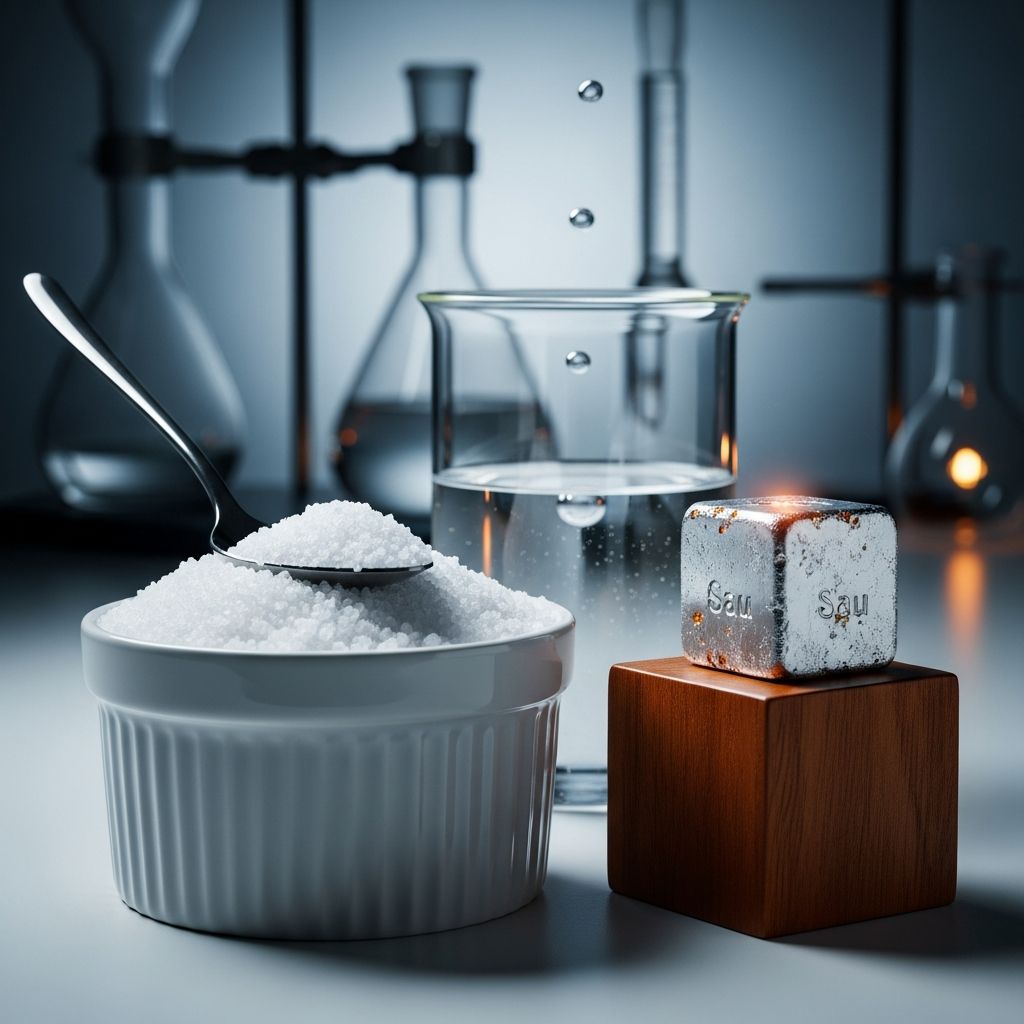
Sodium and salt are frequently confused, but they are not identical. Salt, or sodium chloride (NaCl), consists of approximately 40% sodium and 60% chloride by weight, while sodium is the mineral component essential for bodily functions yet linked to health risks when overconsumed.
What Is Salt?
Salt is a crystalline compound primarily made up of sodium and chloride ions. Table salt, the most common form, is mined from underground deposits, heavily processed to remove impurities, and often fortified with iodine to prevent deficiencies like goiter. One teaspoon of table salt contains roughly 2,300–2,400 mg of sodium, highlighting its concentrated nature.
Natural foods contain trace sodium, but processed items dominate intake. Salt enhances flavor, preserves food by inhibiting bacteria, improves texture in baked goods via compounds like sodium bicarbonate, and acts as a stabilizer.
What Is Sodium?
Sodium is an essential mineral and electrolyte crucial for nerve impulses, muscle contraction, and fluid balance. It occurs naturally in foods like milk, vegetables, and meats but is predominantly added through processing. The body requires only small amounts—about 500 mg daily for basic functions—but average U.S. intake exceeds 3,400 mg, tripling recommendations and contributing to hypertension.
Beyond table salt, sodium hides in monosodium glutamate (MSG), baking soda, nitrates, and preservatives, amplifying intake from restaurant and packaged meals.
Salt vs. Sodium: Key Differences
| Aspect | Salt (NaCl) | Sodium (Na) |
|---|---|---|
| Composition | 40% sodium, 60% chloride | Pure mineral element |
| Source | Mined or evaporated seawater | Natural in foods, added in processing |
| Role in Diet | Flavoring, preserving agent | Electrolyte for body functions |
| 1 tsp Amount | ~2,300 mg sodium | N/A (measured in mg) |
This table illustrates that while salt delivers sodium, they serve distinct roles; focusing on sodium labels is key for health management.
Types of Salt
Various salts differ in processing, texture, and trace minerals but maintain similar sodium content by weight. Finer grains pack more densely, yielding higher sodium per volume.
| Type | Description | Sodium per 1 tsp (approx.) |
|---|---|---|
| Table Salt | Fine, iodized, anti-caking agents | 2,300 mg |
| Kosher Salt | Coarse, less refined | 1,920 mg (coarse); 1,120 mg (fine Diamond Crystal) |
| Sea Salt | Evaporated seawater, trace minerals | 2,120 mg (fine) |
| Himalayan Pink | Mined, trace minerals, pink hue | Similar to table salt |
Sea salt may contain magnesium or potassium, but amounts are negligible compared to dietary needs from whole foods. No type is inherently healthier; total sodium matters.
- Table Salt: Uniform, dissolves quickly; ideal for baking.
- Kosher Salt: Larger crystals pinch easily; preferred by chefs.
- Sea Salt: Varies in color/flavor; minimally processed.
- Gourmet Salts: Like Himalayan, offer aesthetics but equivalent sodium.
Health Effects of Sodium
Excess sodium promotes fluid retention, raising blood pressure—a risk factor for heart disease, stroke, and kidney issues. The Dietary Guidelines recommend under 2,300 mg daily, ideally 1,500 mg for high-risk groups. Processed foods contribute 70–80% of intake, far outpacing home cooking.
Adequate sodium supports hydration and nerve function, but overconsumption correlates with hypertension in 90% of cases. Vulnerable populations include those with hypertension, African Americans, and older adults.
How Much Sodium Do You Need?
The American Heart Association and FDA advocate ≤2,300 mg/day, with 1,500 mg optimal for blood pressure control. Naturally, diets provide 500–1,000 mg; the rest comes from additions. Track via Nutrition Facts labels, noting serving sizes.
Related Stories



Sodium on the Nutrition Facts Label
Labels list milligrams per serving. Daily Value (DV) is 2,300 mg; aim for <5% DV low, >20% high per serving.
| Claim | Sodium per Serving |
|---|---|
| Salt/Sodium-Free | <5 mg |
| Very Low Sodium | ≤35 mg |
| Low Sodium | ≤140 mg |
| Reduced Sodium | 25% less than original |
| Light in Sodium | 50% less than original |
| No Salt Added | No added salt (may contain natural) |
Verify claims against actual mg; “reduced” still may exceed needs.
Where Is Sodium in Foods?
- Processed Foods: Breads, pizza, soups (top sources).
- Condiments: Soy sauce (1 tbsp: 900 mg), ketchup.
- Restaurant Meals: Often 2–3x daily limit.
- Unexpected: Cereals, cheeses, canned veggies.
Seventy-five percent hides in these; fresh produce averages <10 mg/serving.
Tips to Reduce Sodium
- Read labels; choose ≤140 mg/serving.
- Use herbs, spices, lemon over salt.
- Rinse canned goods to cut 40% sodium.
- Cook fresh; limit processed meats.
- Flavor with garlic, vinegar, or pepper.
- Opt for “no salt added” products.
- Dine out less; request low-sodium options.
Gradual cuts allow taste buds to adjust in weeks.
Frequently Asked Questions
Q: Is sea salt better than table salt?
A: No, both are ~40% sodium; trace minerals in sea salt are insignificant for health.
Q: Can I eliminate sodium entirely?
A: No, it’s vital; aim for balance under 2,300 mg/day.
Q: Does all salt have iodine?
A: Only iodized table salt; sea salts typically do not.
Q: How does kosher salt differ nutritionally?
A: Same sodium percentage, but coarser texture means less per teaspoon.
Q: Why is sodium in so many foods?
A: For preservation, texture, and flavor enhancement.
References
- What’s the difference between salt and sodium? — DaVita Kidney Care. 2023. https://davita.com/diet-nutrition/kidney-diet-tips/whats-the-difference-between-salt-and-sodium/
- Salt vs. sodium: What are they, what’s the difference… — University of Illinois Extension. 2023. https://schoolnutrition.extension.illinois.edu/blog/40
- About Sodium and Health | Salt — Centers for Disease Control and Prevention (CDC). 2024-10-17. https://www.cdc.gov/salt/about/index.html
- Salt and Sodium — Harvard T.H. Chan School of Public Health Nutrition Source. 2023. https://nutritionsource.hsph.harvard.edu/salt-and-sodium/
- Salt vs. Sodium – What’s The Difference? — Henry Ford Health. 2016-03-01. https://www.henryford.com/Blog/2016/03/salt-vs-sodium-whats-the-difference
- Sodium Sources: Where Does All That Sodium Come From? — American Heart Association. 2023. https://www.heart.org/en/healthy-living/healthy-eating/eat-smart/sodium/sodium-sources
- Is sea salt healthier than table salt? — Mayo Clinic Health System. 2023. https://www.mayoclinichealthsystem.org/hometown-health/speaking-of-health/is-sea-salt-healthier-than-table-salt
Similar Articles








Read full bio of medha deb