Is Sparkling Water Good for You? Health Benefits and Risks
Discover the truth about sparkling water: benefits, risks, and expert guidelines for safe consumption.
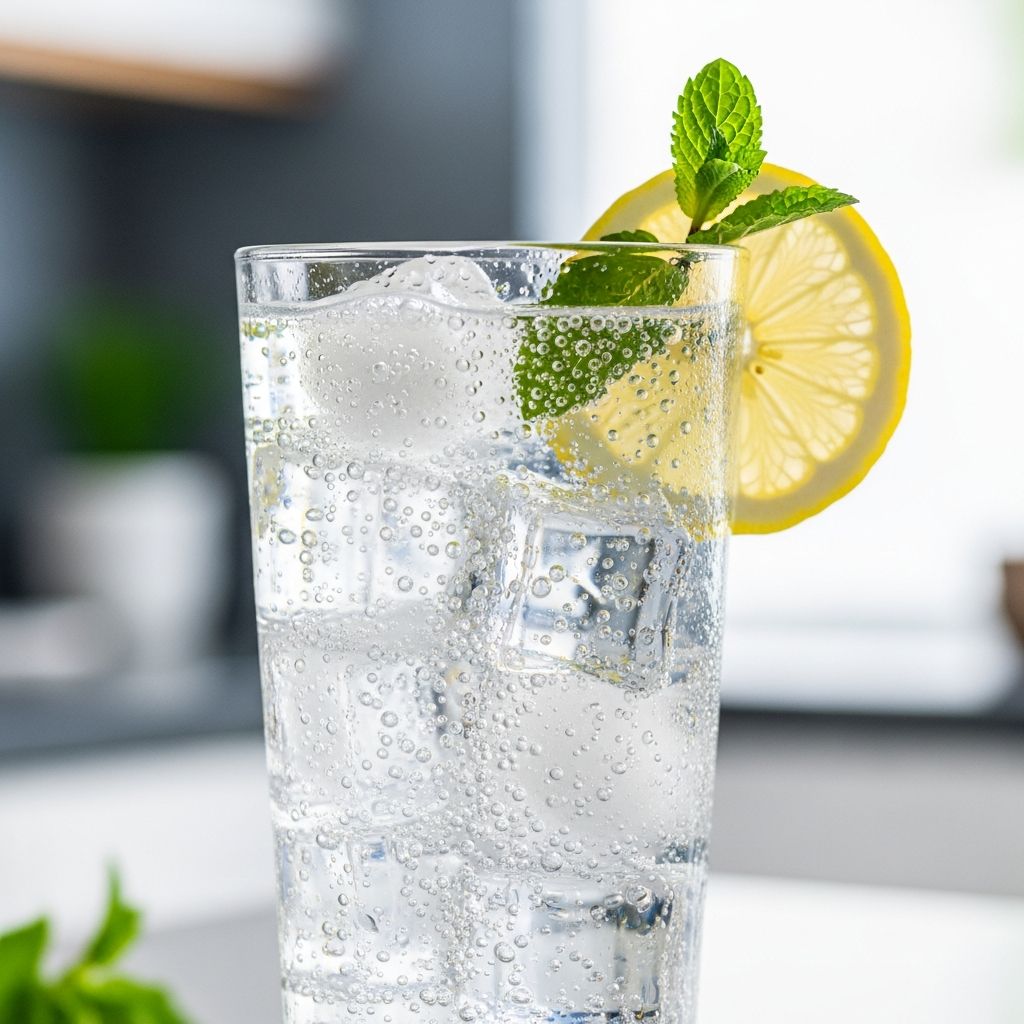
Sparkling water has become increasingly popular as a refreshing alternative to sugary sodas and plain water. With countless brands lining grocery store shelves, many people wonder whether carbonated water is truly beneficial for their health or if it poses hidden risks. The answer is more nuanced than a simple yes or no. Understanding both the advantages and potential drawbacks of sparkling water can help you make informed decisions about your hydration habits.
What Is Sparkling Water?
Sparkling water is created by infusing plain water with pressurized carbon dioxide gas, which creates carbonation and gives the beverage its characteristic fizz. This process is different from naturally carbonated mineral water, which obtains its bubbles from underground sources. Many commercial sparkling water products are sugar-free and caffeine-free, making them attractive to health-conscious consumers looking to reduce their intake of sugary beverages. However, not all sparkling waters are created equally, as some varieties contain added ingredients that can affect their nutritional value and health impact.
Key Health Benefits of Sparkling Water
1. Supports Hydration
One of the primary benefits of sparkling water is its ability to keep you hydrated. Whether water contains bubbles or not, it serves the essential function of maintaining proper hydration throughout the day. For individuals who find plain water boring and may not drink enough of it, sparkling water can be an effective practical choice. The fizzy sensation may make the drinking experience more enjoyable, encouraging greater fluid intake and better overall hydration status.
2. A Smart Alternative to Sugary Beverages
Sparkling water offers a compelling substitute for sugary sodas and other high-calorie beverages. Unlike traditional soft drinks that contain excessive amounts of sugar and calories, sugar-free sparkling water provides the satisfaction of a carbonated drink without the negative health consequences associated with added sugars. This makes it particularly useful for individuals attempting to reduce their sugar consumption or manage their weight.
3. May Promote Feelings of Fullness
Research suggests that sparkling water may increase feelings of satiety and fullness, potentially helping with weight management. The carbonation and volume of the beverage can contribute to a sense of satisfaction after consumption, which may help reduce overall calorie intake during meals.
4. Supports Digestive Health
Contrary to some concerns, carbonated water may actually benefit digestive function. Studies have shown that carbonated beverages can improve swallowing and may aid in relieving constipation. Additionally, the carbonation in sparkling water might enhance overall digestion by promoting digestive movement and function in some individuals.
5. Mineral Content
Many sparkling mineral waters contain beneficial minerals such as calcium and magnesium. These minerals can contribute to overall wellness, though the amounts present in sparkling water are typically modest and should not be considered a primary source of mineral supplementation. When present in adequate quantities, these minerals may support bone health and help maintain healthy blood pressure levels.
Related Stories



6. Protects Bone Health
Despite popular myths suggesting that carbonated water weakens bones, scientific evidence contradicts this claim. Only dark colas containing phosphoric acid have been linked to calcium loss and reduced bone density. In fact, sparkling mineral waters that contain calcium and magnesium may actually strengthen bones and support long-term bone health. This distinction is crucial, as it separates the effects of carbonated water from the documented bone-density concerns associated with specific cola beverages.
Potential Risks and Concerns
Dental Health Considerations
One of the most frequently cited concerns about sparkling water involves its potential impact on tooth enamel. Because carbonated water is slightly acidic, some worry it may erode dental enamel more than regular water. However, research from the American Dental Association shows that sparkling water’s effect on tooth enamel is minimal when compared to other beverages. In fact, studies have found that sparkling water and regular water have comparable effects on tooth enamel.
The risk becomes more significant when sparkling water is flavored with citrus or contains added sugars and citric acid. To minimize potential dental damage, consider these protective strategies:
- Drink sparkling water with meals rather than sipping it throughout the day
- Avoid swishing the water around your mouth for extended periods
- Rinse your mouth with plain water after consuming sparkling water
- Choose unflavored varieties or those without added citric acid and phosphorus
- Use a straw if you choose to drink frequently, though be aware this may increase gas and bloating for some people
Gas and Bloating
For certain individuals, consuming sparkling water can cause uncomfortable gas and bloating sensations. People with sensitive digestive systems, acid reflux, or gastroesophageal reflux disease (GERD) should be particularly cautious, as the carbonation may exacerbate their symptoms. If you experience these side effects, reducing your sparkling water intake or switching to non-carbonated beverages like plain water is recommended.
Appetite and Weight Considerations
While sparkling water may promote fullness, some research suggests that carbonation can also have paradoxical effects on appetite. One study found that carbon dioxide in drinks caused the hunger hormone ghrelin to increase, potentially leading to overeating and weight gain. This effect was observed both in animal studies and in human subjects, suggesting that while sparkling water itself is calorie-free, its carbonation may influence eating patterns in complex ways.
Artificial Sweeteners in Flavored Varieties
Many flavored sparkling waters use artificial sweeteners such as stevia, aspartame, and sucralose to achieve their taste without adding calories. These sweeteners are significantly sweeter than sugar—between 200 to 20,000 times sweeter—and may have health implications. Research suggests that high consumption of artificial sweeteners over several decades is associated with increased risk of stroke and dementia. Additionally, these sweeteners may increase the risk of heart disease and weight gain, even though they contain zero calories.
Tonic Water Caution
It is important to distinguish between plain sparkling water and tonic water, which should be consumed cautiously. Tonic water contains added sugars and quinine, and excessive consumption can cause upset stomach, headaches, ringing in the ears, and in serious cases, organ damage, severe bleeding, and heart rhythm changes.
Comparing Sparkling Water to Still Water
| Feature | Sparkling Water | Still Water |
|---|---|---|
| Hydration | Equally hydrating | Essential hydration source |
| Tooth Enamel Impact | Slightly acidic but minimal damage | No erosion risk |
| Digestive Effects | May aid digestion; can cause bloating | No bloating concerns |
| Mineral Content | May contain calcium and magnesium | Typically lacks minerals |
| Satiety | May increase fullness | Less filling |
| Best For | Those who prefer fizzy beverages | Those with reflux or sensitive teeth |
Types of Sparkling Water to Choose Wisely
Recommended Options
- Plain, unflavored sparkling water: Sugar-free and caffeine-free varieties are the safest choice with minimal health concerns.
- Sparkling mineral water: Contains naturally occurring minerals that may provide modest health benefits.
- Flavored varieties without citric acid: If you prefer flavor, choose options without citric acid or phosphorus that could damage tooth enamel.
Options to Avoid or Limit
- Tonic water: Contains added sugars and quinine, which can cause serious health issues with excessive consumption.
- Flavored sparkling waters with artificial sweeteners: While zero-calorie, artificial sweeteners may increase health risks with long-term consumption.
- Sparkling waters with citric acid: These pose higher risks to tooth enamel and should be consumed with meals or followed by water.
Expert Recommendations for Safe Consumption
Health professionals generally agree that sugar-free, caffeine-free sparkling water poses no significant health risks for most people. In fact, there is very little specific research showing that plain sparkling water has a negative impact on health. The key to safe consumption involves making informed choices about the type of sparkling water you select and how you consume it.
If sparkling water helps you stay adequately hydrated and meet your daily water needs, it can be a beneficial addition to your diet. However, if you have sensitive teeth, acid reflux, GERD, or frequent digestive issues, still water may be the better choice for your individual health profile.
Frequently Asked Questions
Q: Is sparkling water as hydrating as regular water?
A: Yes, sparkling water is just as hydrating as regular water. Both provide essential hydration, and the carbonation does not diminish the hydrating benefits. In fact, if you enjoy sparkling water more than plain water, it may encourage you to drink more fluids throughout the day.
Q: Does sparkling water damage tooth enamel?
A: Plain sparkling water has minimal impact on tooth enamel, with research showing effects similar to regular water. However, flavored varieties with citric acid or added sugars pose greater risks. To protect your teeth, drink sparkling water with meals, avoid prolonged exposure, and rinse with plain water afterward.
Q: Can sparkling water cause weight gain?
A: Plain, unsweetened sparkling water is calorie-free and should not directly cause weight gain. However, some research suggests carbonation may stimulate hunger hormones in some individuals. If weight management is a concern, monitor your overall consumption patterns and choose unsweetened varieties without artificial sweeteners.
Q: Is sparkling water safe for people with GERD?
A: Individuals with GERD or acid reflux should be cautious with sparkling water, as carbonation can exacerbate symptoms like bloating and heartburn. If you experience discomfort, switching to non-carbonated beverages like plain still water is recommended.
Q: What’s the difference between sparkling water and tonic water?
A: Sparkling water is simply carbonated water with no added ingredients, while tonic water contains added sugars and quinine. Tonic water should be consumed only in moderation, as excessive intake can cause serious health effects.
Q: Does sparkling water weaken bones?
A: No, sparkling water does not weaken bones. Only dark colas with phosphoric acid have been linked to bone density loss. Many sparkling mineral waters actually contain beneficial minerals like calcium and magnesium that support bone health.
Conclusion
Sparkling water can be a healthy and refreshing beverage choice for most people when consumed thoughtfully. As long as you select sugar-free, caffeine-free varieties and avoid flavored options with citric acid or artificial sweeteners, sparkling water offers the same hydration benefits as regular water while providing a more enjoyable drinking experience for some individuals. The key is understanding your personal health needs—those with sensitive teeth, GERD, or digestive sensitivity may benefit from choosing still water instead. Ultimately, the best water for you is the one you’ll drink consistently throughout the day, supporting your body’s essential hydration needs.
References
- Is Carbonated Water Good For You? Benefits and Risks — University of Chicago Medicine. 2023. https://www.uchicagomedicine.org/forefront/health-and-wellness-articles/2023/may/is-carbonated-water-good-for-you
- Is Sparkling Water Good for You? — Cleveland Clinic Health Essentials. https://health.clevelandclinic.org/is-sparkling-water-healthy
- Is Sparkling Water Healthier Than Still Water? Health Guide — Mito Health. https://mitohealth.com/blog/sparkling-vs-still-water-health-guide
- Are Flavored Sparkling Waters Bad for You? — Kaiser Permanente. https://healthy.kaiserpermanente.org/health-wellness/healtharticle.are-fruit-flavored-sparkling-waters-bad-for-you
- Carbonated (Sparkling) Water: Good or Bad? — Healthline. https://www.healthline.com/nutrition/carbonated-water-good-or-bad
- Is Sparkling Water Healthy or Does It Fall Flat? — Banner Health. https://www.bannerhealth.com/healthcareblog/teach-me/are-sparkling-waters-bad-for-you
- The Truth about Sparkling Water and Your Teeth — MouthHealthy (American Dental Association). https://www.mouthhealthy.org/nutrition/the-truth-about-sparkling-water-and-your-teeth
Similar Articles








Read full bio of medha deb