Is Spirulina Good for You? Expert Health Benefits
Discover the science behind spirulina's health benefits, nutritional value, and whether this superfood lives up to the hype.
Is Spirulina Good for You? What Medical Experts Say
Spirulina has become increasingly popular in health-conscious communities as a nutritional powerhouse and dietary supplement. From smoothie bowls to vitamin capsules, this blue-green algae seems to be everywhere these days. But with so many health claims surrounding spirulina, it’s worth asking: is spirulina actually good for you? What does the science really say about this trendy superfood? Understanding the facts about spirulina can help you make informed decisions about whether it should become part of your daily wellness routine.
What Exactly Is Spirulina?
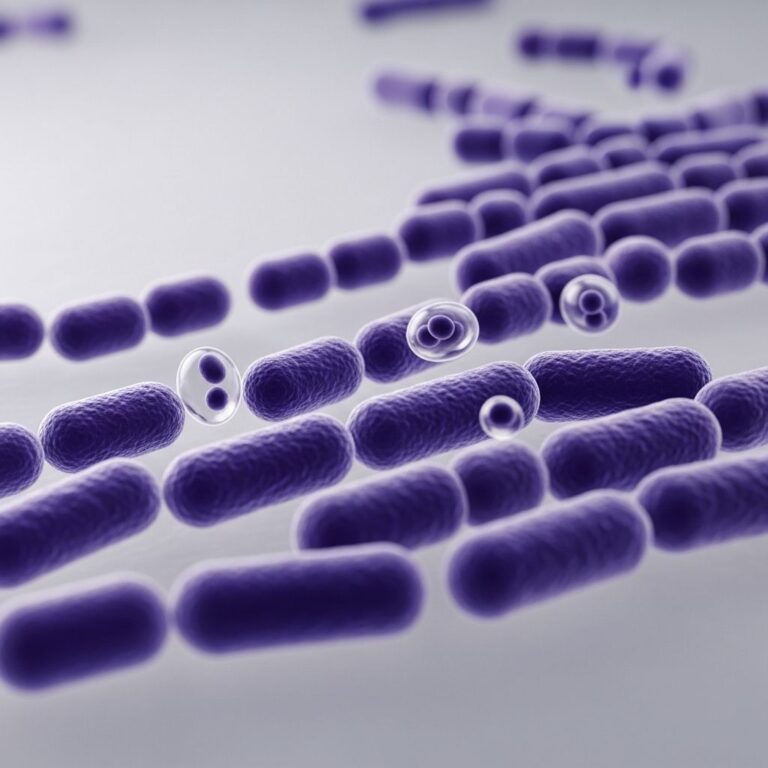
Spirulina, scientifically known as Arthrospira, is a type of cyanobacteria—a blue-green algae that grows naturally in alkaline lakes and waters around the world. This microorganism gained significant attention when NASA incorporated it into the diet of astronauts during space missions, recognizing its exceptional nutritional density and potential for supporting human health in extreme environments. Unlike many other algae varieties, spirulina has a unique cellular structure that lacks cellulose cell walls, making it remarkably easy for the human digestive system to absorb and process.
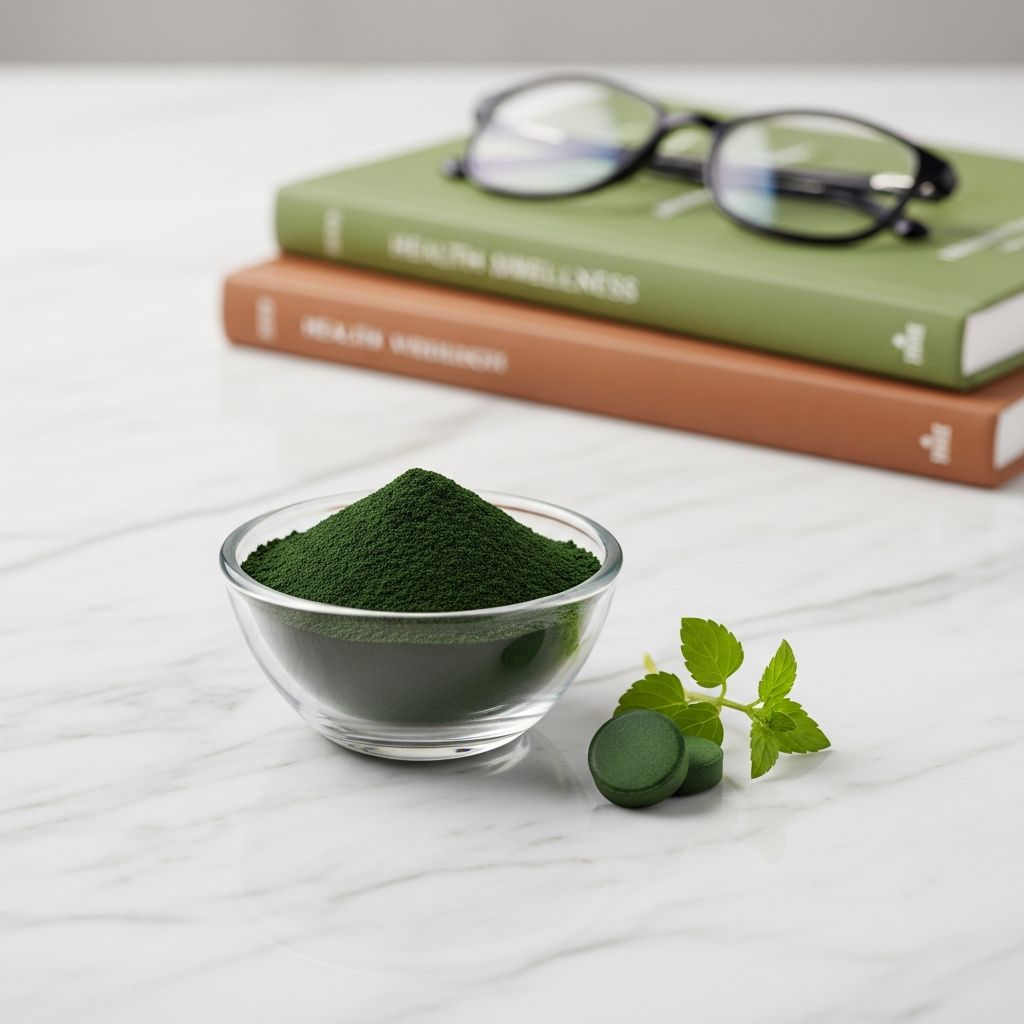
Spirulina has been consumed by various cultures for centuries, particularly in Africa and Central America, where it has served as a traditional source of nutrition. In recent years, it has transitioned from a regional food staple to a globally recognized dietary supplement, available in powder, tablet, and capsule forms for modern consumers seeking convenient nutrition.
Nutritional Composition of Spirulina
One of the primary reasons spirulina has earned its reputation as a superfood is its remarkably dense nutritional profile. This algae contains an impressive array of essential nutrients that many people struggle to obtain through conventional diet alone.
Protein Content
Spirulina is exceptionally rich in protein, containing up to 70% protein by weight, making it one of the highest protein-density foods available. This makes it particularly valuable for vegetarians, vegans, and athletes seeking plant-based protein sources. The protein in spirulina contains all nine essential amino acids, providing a complete protein profile that supports muscle maintenance, repair, and growth.
Vitamins and Minerals
Beyond protein, spirulina delivers a comprehensive spectrum of micronutrients. It contains substantial amounts of vitamin B12, which is particularly significant for individuals following plant-based diets, as this vitamin is rarely found naturally in non-animal sources. Spirulina also provides beta-carotene (provitamin A), which the body converts into vitamin A for supporting vision, immune function, and skin health. Additionally, spirulina contains essential minerals, especially iron, which is crucial for oxygen transport and energy production throughout the body.
Bioactive Compounds
Spirulina is rich in phenolic acids, tocopherols, and gamma-linolenic acid (GLA). These compounds possess antioxidant and anti-inflammatory properties that may contribute to the various health benefits attributed to spirulina consumption. The presence of these bioactive compounds distinguishes spirulina from simple carbohydrate or protein sources and positions it as a functional food with potential therapeutic applications.
Proven Health Benefits Supported by Research
While spirulina’s nutritional density is undeniable, the critical question remains: what health benefits are actually supported by scientific evidence? Research has demonstrated several legitimate applications for spirulina in clinical practice.
Immune Function and Allergy Management
Among the most well-documented benefits of spirulina is its ability to modulate immune function and reduce allergic responses. Spirulina exhibits anti-inflammatory properties by inhibiting the release of histamine from mast cells, which are key mediators of allergic reactions. Clinical studies have shown remarkable results in this area. In one significant study, high doses of spirulina reduced IL-4 levels by 32%, demonstrating protective effects against allergic rhinitis. Additionally, research has demonstrated that spirulina enhances the production of IgA antibodies in saliva, suggesting a pivotal role in supporting mucosal immunity—the body’s first line of defense against pathogens.
Related Stories



Cholesterol and Cardiovascular Health
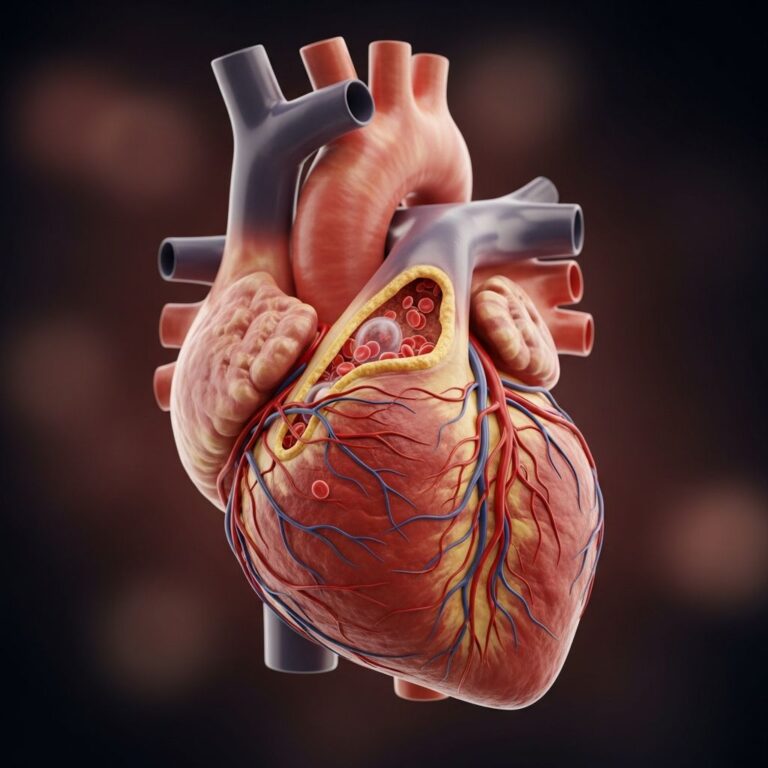
Several clinical studies have investigated spirulina’s effects on cholesterol levels and cardiovascular markers. In early research, volunteers who consumed 4.2 grams of spirulina daily experienced a significant reduction in LDL (bad) cholesterol after eight weeks of treatment, along with a notable decline in atherogenic effects. More recent studies have shown even more impressive results, with spirulina supplementation producing significant reductions in blood cholesterol, triglycerides, and LDL cholesterol, while simultaneously increasing HDL (good) cholesterol levels. These findings suggest that spirulina may play a valuable role as a natural food supplement in managing hyperlipidemia, particularly when combined with other therapeutic approaches.
Diabetes Management
Research examining spirulina’s effects on diabetes has shown promise. Clinical studies involving diabetic patients have documented significant improvements in the LDL to HDL cholesterol ratio, a critical marker for cardiovascular health in diabetic populations. However, researchers note that while initial results are encouraging, larger and better-designed studies are needed before spirulina can be definitively recommended as a diabetes treatment.
Heavy Metal Detoxification
Emerging research has explored spirulina’s potential role in treating chronic arsenic poisoning. A clinical trial examining spirulina extract combined with zinc found that this combination administered twice daily for 16 weeks may be useful for treating chronic arsenic poisoning characterized by melanosis and keratosis. Results showed measurable improvements in skin manifestations and reduced arsenic levels in urine and hair samples, though additional randomized trials are necessary to confirm these preliminary findings.
Claims Not Yet Supported by Evidence
While spirulina offers documented benefits in several areas, it’s equally important to examine claims that lack sufficient scientific support. This distinction helps consumers avoid unrealistic expectations and make evidence-based decisions about supplementation.
Chronic Fatigue
Spirulina is frequently promoted for enhancing energy levels and combating chronic fatigue, with proponents suggesting that its ability to increase healthy lactobacillus in the intestine promotes vitamin B6 production, thereby supporting energy metabolism. However, the only available placebo-controlled randomized trial examining this claim revealed disappointing results. When administered at 3 grams per day, spirulina did not significantly improve fatigue scores compared to placebo, and researchers concluded it likely has no meaningful effect on chronic fatigue. This highlights the importance of distinguishing between theoretical mechanisms and demonstrated clinical outcomes.
Safety and Side Effects
A significant advantage of spirulina as a dietary supplement is its excellent safety profile. Microalgae have been used for more than ten years as dietary supplements without significant side effects in the vast majority of users. This long history of use, combined with clinical evidence, suggests that spirulina is well-tolerated by most people.
However, certain populations should exercise caution or consult healthcare providers before using spirulina. Individuals with phenylketonuria (PKU) should avoid spirulina due to its phenylalanine content. Those taking anticoagulant medications should consult their healthcare provider, as some research suggests spirulina may have mild anticoagulant properties. Additionally, spirulina supplements should be sourced from reputable manufacturers to ensure they are free from contamination with harmful substances such as microcystins, which can accumulate in poorly maintained cultivation systems.
How to Use Spirulina Effectively
Recommended Dosage
Spirulina has been studied at various doses, typically ranging from 3 to 4.2 grams per day in clinical research. Most commercially available supplements provide capsules or powder servings within this range. Starting with a lower dose and gradually increasing to the recommended amount allows your digestive system to adjust to this nutrient-dense food.
Forms and Preparation
Spirulina is available in multiple forms to suit different preferences. Powder form can be mixed into smoothies, yogurt, or juice. Tablet and capsule forms offer convenience for those on the go. Some people add spirulina to soups or use it in energy balls and snacks. Regardless of the form chosen, spirulina is best consumed with food to enhance absorption and minimize potential digestive upset.
Duration of Use
Most clinical studies examining spirulina’s benefits have run for 8 to 16 weeks, suggesting that consistent use over several weeks is necessary to observe meaningful effects. Long-term safety data indicates spirulina can be safely consumed for extended periods, making it suitable for ongoing supplementation as part of a comprehensive wellness routine.
Spirulina Versus Other Superfoods
| Supplement | Protein Content | Vitamin B12 | Primary Benefits | Best For |
|---|---|---|---|---|
| Spirulina | Up to 70% | Yes | Immune support, cholesterol management, complete nutrition | Vegetarians, athletes, comprehensive nutrition |
| Chlorella | 50-60% | Yes | Detoxification, digestive support | Heavy metal detox, digestive health |
| Whey Protein | 90% | No | Muscle building, recovery | Post-workout nutrition, muscle gain |
| Chia Seeds | 14% | No | Fiber, omega-3s, sustained energy | Digestive health, heart health |
The Bottom Line: Is Spirulina Good for You?
Based on available scientific evidence, spirulina is indeed good for most people, particularly those seeking to enhance their nutritional intake and support immune and cardiovascular health. The combination of exceptional protein content, essential micronutrients, and bioactive compounds makes spirulina a legitimate nutritional supplement backed by clinical research. Its demonstrated benefits in reducing allergic responses, improving cholesterol profiles, and supporting overall immune function make it a worthwhile addition to a health-conscious lifestyle.
However, spirulina is not a miracle cure or replacement for medical treatment. It works best as a complementary supplement within the context of a balanced diet, regular exercise, adequate sleep, and stress management. The hype surrounding spirulina is partially justified by genuine nutritional benefits, but realistic expectations matter. It won’t transform your health overnight, but consistent use as part of a comprehensive wellness strategy may contribute to improved energy, better immune function, and enhanced nutritional status.
When selecting a spirulina supplement, choose products from reputable manufacturers that conduct third-party testing to ensure purity and potency. If you have existing health conditions, take medications, or are pregnant or breastfeeding, consult your healthcare provider before adding spirulina to your regimen to ensure it aligns with your individual health needs.
Frequently Asked Questions About Spirulina
Q: Can spirulina help with weight loss?
A: While spirulina is nutrient-dense and may support satiety due to its high protein content, no clinical studies specifically demonstrate that spirulina promotes weight loss. It can be a nutritious addition to a weight management plan when combined with calorie control and exercise, but it’s not a weight loss supplement per se.
Q: Is spirulina suitable for children?
A: Spirulina is generally safe for children and can provide valuable nutritional support. However, dosing should be adjusted for body weight, and it’s advisable to consult a pediatrician before introducing spirulina supplements to children’s diets.
Q: How long does it take to experience spirulina’s benefits?
A: Most clinical studies showing measurable benefits typically span 8 to 16 weeks of consistent spirulina use. Individual results vary based on the specific benefit sought and personal health factors.
Q: Can I take spirulina if I’m on blood thinners?
A: Consult your healthcare provider before taking spirulina if you’re on anticoagulant medications, as some research suggests potential interactions. Professional medical guidance ensures safe concurrent use.
Q: Is spirulina from all sources equally safe?
A: No. Quality varies significantly among spirulina products. Choose supplements from manufacturers that provide third-party testing to verify purity and confirm the absence of harmful contaminants such as microcystins.
Q: What’s the difference between spirulina and chlorella?
A: Both are nutrient-dense microalgae, but they differ in cell structure and benefits. Spirulina lacks cellulose cell walls and is easier to digest, while chlorella has thicker cell walls. Spirulina excels in protein content, while chlorella is often promoted for detoxification support.
References
- Spirulina in Clinical Practice: Evidence-Based Human Applications — National Center for Biotechnology Information (NCBI), National Institutes of Health. 2011. https://www.ncbi.nlm.nih.gov/pmc/articles/PMC3136577/
Similar Articles








Read full bio of medha deb