Stevia Safety Guide: Benefits, Risks, And Expert Insights
Uncover the truth about stevia: Explore its benefits, potential risks, safety for daily use, and expert insights on this popular zero-calorie sweetener.
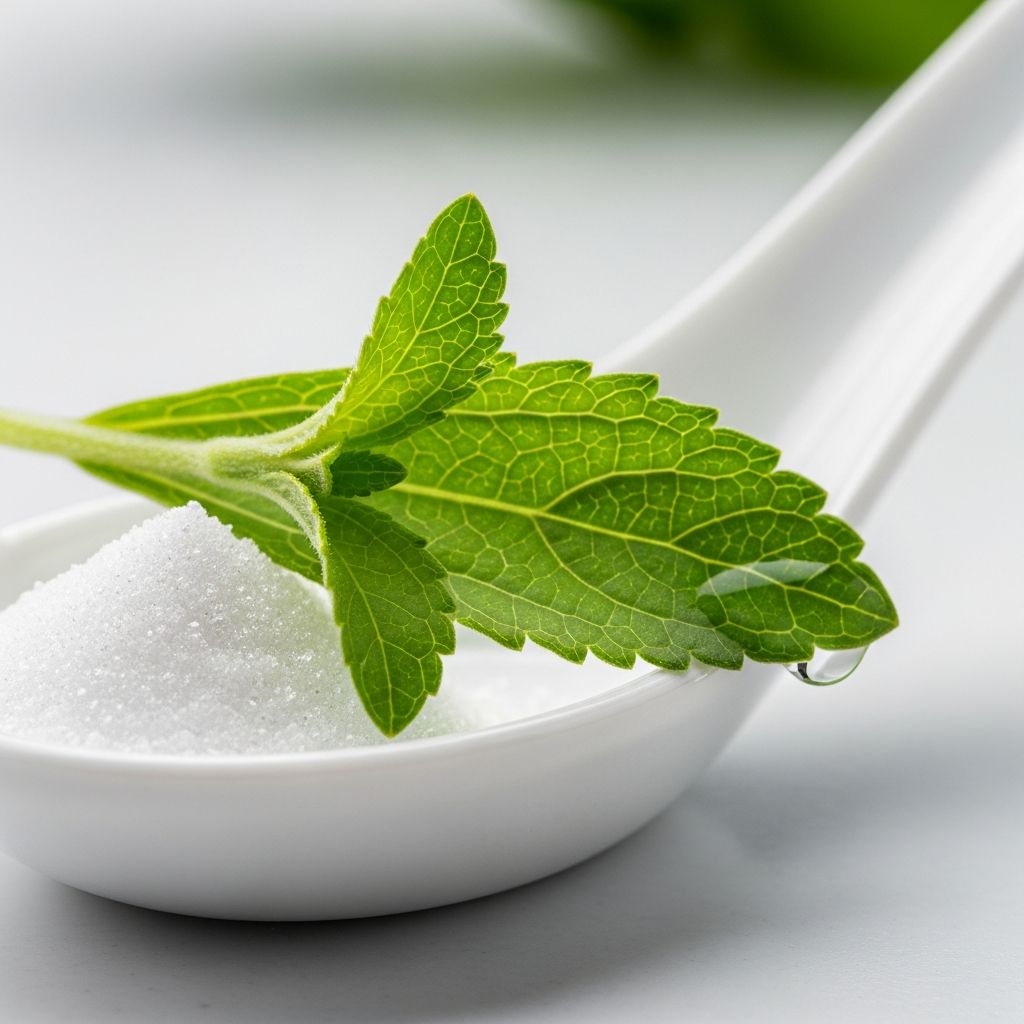
Stevia, derived from the leaves of the Stevia rebaudiana plant native to South America, has surged in popularity as a zero-calorie sweetener. Marketed as a natural alternative to sugar and artificial sweeteners, it appeals to those managing diabetes, weight, or seeking to cut calories. But questions linger: Is stevia truly safe? Does it carry hidden risks? This article breaks down the science, benefits, potential downsides, and expert recommendations to help you decide if stevia fits your diet.
What Is Stevia?
Stevia is a natural, non-nutritive sweetener extracted from the leaves of the stevia plant, which belongs to the sunflower family. The sweet compounds, known as steviol glycosides (primarily stevioside and rebaudioside A or Reb-A), are 200–350 times sweeter than sugar, allowing minimal use for the same sweetness level. Unlike sugar, stevia contains no calories, carbohydrates, or impact on blood glucose, making it popular in beverages, baked goods, and tabletop sweeteners.
Historically used for centuries by indigenous peoples in Paraguay and Brazil, commercial stevia products today are highly purified extracts. Whole-leaf stevia or crude extracts differ from refined forms like Reb-A, which undergo processing to isolate the sweet glycosides while removing bitter compounds. Available forms include powders, liquids, packets, and blends often mixed with erythritol or dextrose for bulk.
- Key types: Purified Reb-A (FDA-approved), whole-leaf stevia (not approved for commercial food use), and stevia blends.
- How it’s made: Leaves are dried, soaked, filtered, and purified through water extraction or enzymes, yielding a white powder or clear liquid.
Health Benefits of Stevia
Research highlights several potential benefits of stevia, positioning it as a promising sugar substitute. Studies, including peer-reviewed trials, suggest positive effects on metabolic health without the caloric load of sugar.
Blood Sugar Control
Stevia excels for blood sugar management. A 2010 study with 19 lean and 12 obese participants showed stevia significantly lowered post-meal insulin and glucose levels while promoting satiety, despite reduced calorie intake. This makes it ideal for diabetes management, as it doesn’t spike blood sugar.
A comprehensive review confirms stevia’s anti-diabetic properties, improving insulin sensitivity and reducing hyperglycemia in animal and human models.
Blood Pressure Reduction
Stevia may lower blood pressure. In one trial, 500 mg daily stevia powder over two years reduced systolic blood pressure by about 10 mmHg and diastolic by 6 mmHg. A larger meta-analysis noted modest diastolic improvements.
Antihypertensive effects stem from stevioside’s vasodilatory action, relaxing blood vessels.
Weight Management and Obesity
By providing sweetness without calories, stevia aids weight control. It may counteract obesity-related issues like insulin resistance and inflammation. In obese rats, stevia extract improved lipid profiles, antioxidant capacity, and prevented high-fat diet damage.
Human studies link non-nutritive sweeteners like stevia to better weight outcomes compared to sugar.
Antioxidant and Anti-Inflammatory Effects
Stevia boasts antioxidants that combat oxidative stress. Tannins in green leaf stevia protect cells from aging. It also reduces inflammation, potentially inhibiting atherosclerotic plaque in insulin-resistant models.
Related Stories



Other Benefits
- Cholesterol improvement: A 2009 study found 20 mL daily stevia extract lowered total cholesterol, LDL, triglycerides, and raised HDL.
- Anticancer potential: Stevioside boosted breast cancer cell death and showed toxicity to leukemia, lung, and stomach cancer lines in lab studies.
- Antimicrobial: Fights bacteria and fungi, including those causing Lyme disease.
- Liver protection: May prevent metabolic dysfunction-associated steatotic liver disease (MASLD) in animal research.
Is Stevia Safe? FDA Approval and Regulations
The FDA deems high-purity steviol glycosides (≥95% Reb-A) “generally recognized as safe” (GRAS) for general use, including in pregnant people and children, since 2008. It’s approved in over 100 countries. However, whole-leaf stevia and crude extracts lack sufficient safety data for processed foods, though home use is permitted.
Acceptable daily intake (ADI) is 4 mg/kg body weight (e.g., 12 oz diet soda for a 150 lb person). Organizations like WHO and JECFA endorse its safety.
A 2024 study found no gut health harm over 12 weeks, countering earlier concerns.
Potential Side Effects and Risks of Stevia
While generally safe in moderation, stevia isn’t risk-free. Side effects are rare with purified forms but more common with whole-leaf or blends.
| Risk | Description | Affected Groups |
|---|---|---|
| Digestive Issues | Bloating, gas, diarrhea from sugar alcohols (e.g., erythritol, xylitol) in blends. | Those with IBS or sensitive guts. |
| Blood Sugar Drop | May overly lower glucose; interacts with diabetes meds. | Diabetics, hypoglycemics. |
| Blood Pressure Drop | Excessive lowering; interacts with BP meds. | Those on antihypertensives. |
| Gut Microbiome Disruption | 2019 study linked non-nutritive sweeteners to flora changes and glucose intolerance. | Heavy users. |
| Heart Risks | Erythritol blends linked to heart attack/stroke risk. | Cardiovascular patients. |
Raw stevia concerns include kidney, reproductive, and cardiovascular harm, though unproven in humans. A mouse study showed reduced hemoglobin, hematocrit, and liver stress after chronic use, but human relevance is unclear.
Stevia may interact with medications like diuretics, anti-inflammatories, cancer drugs, and verapamil.
Who Should Avoid Stevia?
- Pregnant individuals: Stick to purified Reb-A; avoid whole-leaf due to limited data.
- Those on diabetes/BP meds: Monitor levels; consult doctor.
- Allergy sufferers: Rare ragweed family allergy cross-reactivity.
- Children: Safe in moderation, but limit overall sweetener intake.
Pure stevia rarely causes issues, but read labels for additives.
Stevia vs. Other Sweeteners
| Sweetener | Calories | Blood Sugar Impact | Key Pros | Key Cons |
|---|---|---|---|---|
| Stevia | 0 | None | Natural, benefits BP/glucose | Bitter aftertaste, blends risks |
| Sugar | 4/g | High | Familiar taste | Weight gain, diabetes risk |
| Aspartame | 4/g (low use) | Low | Widely studied | Phenylketonuria ban, controversy |
| Sucralose | 0 | Low | Heat-stable | Gut disruption in studies |
| Erythritol | 0.2/g | Low | No aftertaste | Heart risks |
Stevia often outperforms artificial options in natural appeal and metabolic benefits.
How to Use Stevia Safely
- Choose
purified Reb-A
products (check for ≥95% purity). - Use sparingly—it’s 200–300x sweeter.
- Avoid blends with erythritol if heart concerns exist.
- Start low to assess tolerance.
- Incorporate gradually in cooking/baking.
For home growers, whole-leaf stevia is fine occasionally in tea, but not daily.
Frequently Asked Questions (FAQs)
Is stevia bad for your gut health?
A 2024 study indicates no significant harm over 12 weeks, though earlier research suggested microbiome shifts with heavy use. Opt for pure forms.
Does stevia raise blood pressure?
No, it typically lowers it mildly, beneficial for hypertensives but caution with meds.
Can diabetics use stevia?
Yes, it’s an excellent zero glycemic option that may improve control.
Is stevia carcinogenic?
No evidence; lab studies suggest anticancer effects.
What’s the daily limit for stevia?
4 mg/kg body weight per FDA/WHO—far more than typical use.
Bottom Line
Purified stevia is safe and beneficial for most, offering blood sugar, weight, and heart health perks without calories. Risks are minimal with moderation and pure products, but whole-leaf forms and blends warrant caution. Consult a doctor if pregnant, medicated, or concerned. As research evolves, stevia remains a top natural sweetener choice.
References
- Everything You Need to Know About Stevia — Healthline. 2023-10-15. https://www.healthline.com/health/food-nutrition/stevia-side-effects
- Natural sweetener Stevia rebaudiana: Functionalities, health benefits and potential risks — PMC (NCBI). 2021-11-10. https://pmc.ncbi.nlm.nih.gov/articles/PMC8600158/
- Stevia: Benefits, Risks & What Science Says — Natural Force. 2024-05-22. https://naturalforce.com/blogs/nutrition/is-stevia-good-for-you
- Is Stevia Bad for You? How It Compares to Other Sweeteners — GoodRx. 2024-08-01. https://www.goodrx.com/well-being/diet-nutrition/stevia-bad-for-you
- What Is Stevia? — WebMD. 2024-03-12. https://www.webmd.com/food-recipes/what-is-stevia
Similar Articles








Read full bio of medha deb