Stuffy Nose And COVID-19: Symptoms, Testing, Treatment Guide
Discover if a stuffy nose signals COVID-19, how it compares to colds and allergies, and when to test or seek care.
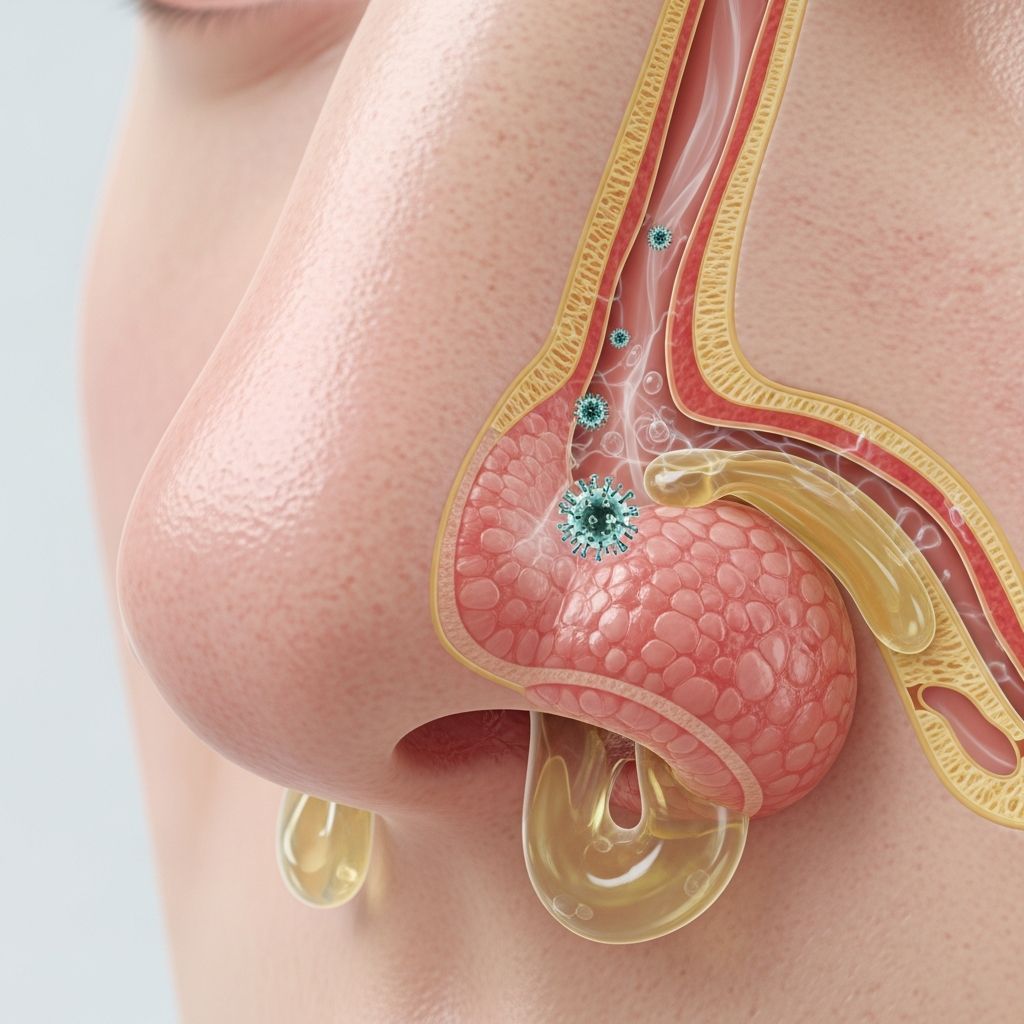
A stuffy or runny nose ranks among the most common upper respiratory symptoms of COVID-19, particularly with variants like Omicron that target the upper airways. While often mistaken for a cold or allergies, nasal congestion affects up to 30% of cases and warrants testing, especially alongside loss of smell or fever.
What Are the Symptoms of COVID-19?
COVID-19 presents a wide range of symptoms, evolving with variants. Early strains emphasized lower respiratory issues like dry cough and fever, but recent ones like Omicron mimic colds with upper respiratory dominance.
- Common symptoms: Runny or stuffy nose, sore throat, headache, fatigue, sneezing.
- Classic signs: Fever, dry cough, shortness of breath, loss of taste/smell.
- Less common: Nausea, diarrhea, body aches.
The World Health Organization notes nasal congestion in about 5% of cases, though studies report 20-30% prevalence, higher in vaccinated or pediatric patients.
Is Nasal Congestion a Symptom of COVID-19?
Yes, nasal congestion—known as a stuffy nose—is a recognized COVID-19 symptom. The virus binds to ACE2 receptors abundant in nasal cells, causing inflammation, mucus production, and blockage.
- Mechanism: SARS-CoV-2 enters via the nose, triggering immune response with clear or yellow mucus to trap and expel the virus.
- Prevalence: More frequent in Omicron (upper respiratory focus) than Delta.
- Duration: Symptoms often appear first, lasting days to weeks; most resolve as infection clears, but smell changes may persist months.
Experts like UCLA’s Dr. Omai Garner highlight that stuffy nose in vaccinated individuals or children often signals breakthrough COVID, urging antigen testing.
COVID-19 vs. Cold vs. Flu vs. Allergies
Differentiating COVID-19 from other conditions is challenging due to overlap. Use symptom onset, duration, and testing for clarity.
| Symptom | COVID-19 | Cold | Flu | Allergies |
|---|---|---|---|---|
| Fever | Sometimes | Rarely | Usually | Never |
| Runny/Stuffy Nose | Usually (esp. Omicron) | Usually | Sometimes | Common |
| Sneezing | Sometimes | Usual | Rarely | Usual |
| Sore Throat | Usually | Sometimes | Usually | Sometimes |
| Loss of Smell/Taste | Sometimes (often without congestion) | Never | Rarely | Never |
| Shortness of Breath | Sometimes | Never | Sometimes | No (unless asthma) |
| Body Aches/Fatigue | Common | Sometimes | √ (intense) | Sometimes |
| Onset | 2-14 days | 1-3 days | 1-4 days | Seasonal |
Data synthesized from Mayo Clinic and NIH; COVID often lacks itchy eyes (hallmark of allergies) but includes sudden fatigue.
Why Does COVID-19 Cause a Stuffy Nose?
The nose’s high ACE2 receptor density makes it a primary entry point and inflammation site for SARS-CoV-2. Viral binding disrupts cells in the nasal cavity and nasopharynx, peaking viral load there.
- Inflammation cascade: Immune cells release cytokines, swelling tissues and producing mucus (clear initially, yellowing with infection).
- Variant differences: Omicron replicates faster in nasal cells, amplifying congestion over lung involvement.
- Other effects: Can include runny nose, burning sensation, bloody nose from irritation.
Mayo Clinic confirms stuffy nose as a top current symptom, alongside headache and sore throat.
Related Stories



When to Test for COVID-19
Test immediately if you have a stuffy nose plus risk factors: exposure, fever, loss of smell, or fatigue. Antigen tests detect in symptomatic cases; PCR for confirmation.
- Timing: Symptoms start 2-14 days post-exposure; test at symptom onset or 5 days after exposure.
- Home testing: Keep kits handy, as advised by experts like Dr. Garner.
- Seek care: If shortness of breath, persistent fever, or symptoms worsen after 5-7 days, contact a provider.
NHS lists blocked/runny nose as a key symptom, recommending isolation and testing.
Treatment for Stuffy Nose with COVID-19
Most nasal symptoms resolve without intervention as the infection clears. Symptom relief focuses on comfort.
- Home remedies: Saline nasal sprays, humidifiers, steam inhalation to loosen mucus.
- Over-the-counter: Decongestants (e.g., pseudoephedrine, short-term), antihistamines if allergy-like, pain relievers for headache.
- Avoid: Aspirin in children; consult doctor if pregnant or with comorbidities.
- For smell loss: Olfactory training (sniffing essential oils daily); most recover in weeks, some longer.
Stay hydrated, rest, and monitor; antivirals like Paxlovid may be prescribed for high-risk cases.
FAQs
Can COVID-19 cause a runny or stuffy nose?
Yes, runny or stuffy nose is common, especially with Omicron, due to upper airway inflammation.
Is stuffy nose a sign of COVID or allergies?
Stuffy nose occurs in both, but COVID adds fever, smell loss, fatigue; allergies cause itchy eyes, no fever.
How long does a stuffy nose last with COVID-19?
Typically days to 2 weeks; resolves with infection, though smell issues may linger.
Should I test for COVID if I have a stuffy nose?
Yes, especially with exposure or other symptoms; antigen tests are reliable when symptomatic.
Can COVID-19 cause loss of smell without a stuffy nose?
Yes, anosmia often precedes or occurs without congestion in early variants.
Prevention Tips
Vaccination, boosters, masking in crowds, hand hygiene reduce risk. Ventilation curbs nasal viral load.
References
- COVID Nose Symptoms, Treatment & FAQ — Ada Health. 2023. https://ada.com/covid/covid-19-symptom-nose/
- COVID-19, cold, flu and allergies: What are the differences? — Mayo Clinic. 2023-06-15. https://www.mayoclinic.org/diseases-conditions/coronavirus/in-depth/covid-19-cold-flu-and-allergies-differences/art-20503981
- Allergies or COVID-19 — Emerson Health. 2023. https://emersonhealth.org/allergies-or-covid-19/
- What a top COVID-19 researcher does when he wakes up with a stuffy nose — UCLA Health. 2022-01-20. https://www.uclahealth.org/news/article/what-a-top-covid-19-researcher-does-when-he-wakes-up-with-a-stuffy-nose
- Is It Flu, COVID-19, Allergies, or a Cold? — NIH News in Health. 2022-01. https://newsinhealth.nih.gov/2022/01/it-flu-covid-19-allergies-or-cold
- COVID-19 symptoms and what to do — NHS. 2023-10-29. https://www.nhs.uk/conditions/covid-19/covid-19-symptoms-and-what-to-do/
Similar Articles








Read full bio of Sneha Tete