Is Sushi Healthy? Here’s What a Dietitian Says
A registered dietitian breaks down the nutrition facts of sushi, its health benefits, potential downsides, and tips for making smarter choices at the sushi bar.
Sushi can be a nutritious choice packed with lean protein, omega-3 fatty acids, and fiber-rich ingredients when selected thoughtfully, but some varieties are high in sodium, calories, and contaminants like mercury.
As a registered dietitian, I often get asked about sushi’s place in a balanced diet. Originating from Japan, sushi combines vinegared rice, fresh fish, seafood, vegetables, and nori seaweed into bite-sized pieces. While traditional sushi emphasizes fresh, minimal ingredients, American-style rolls can add creamy sauces, fried toppings, and extra rice, altering its health profile.
What Is Sushi, Exactly?
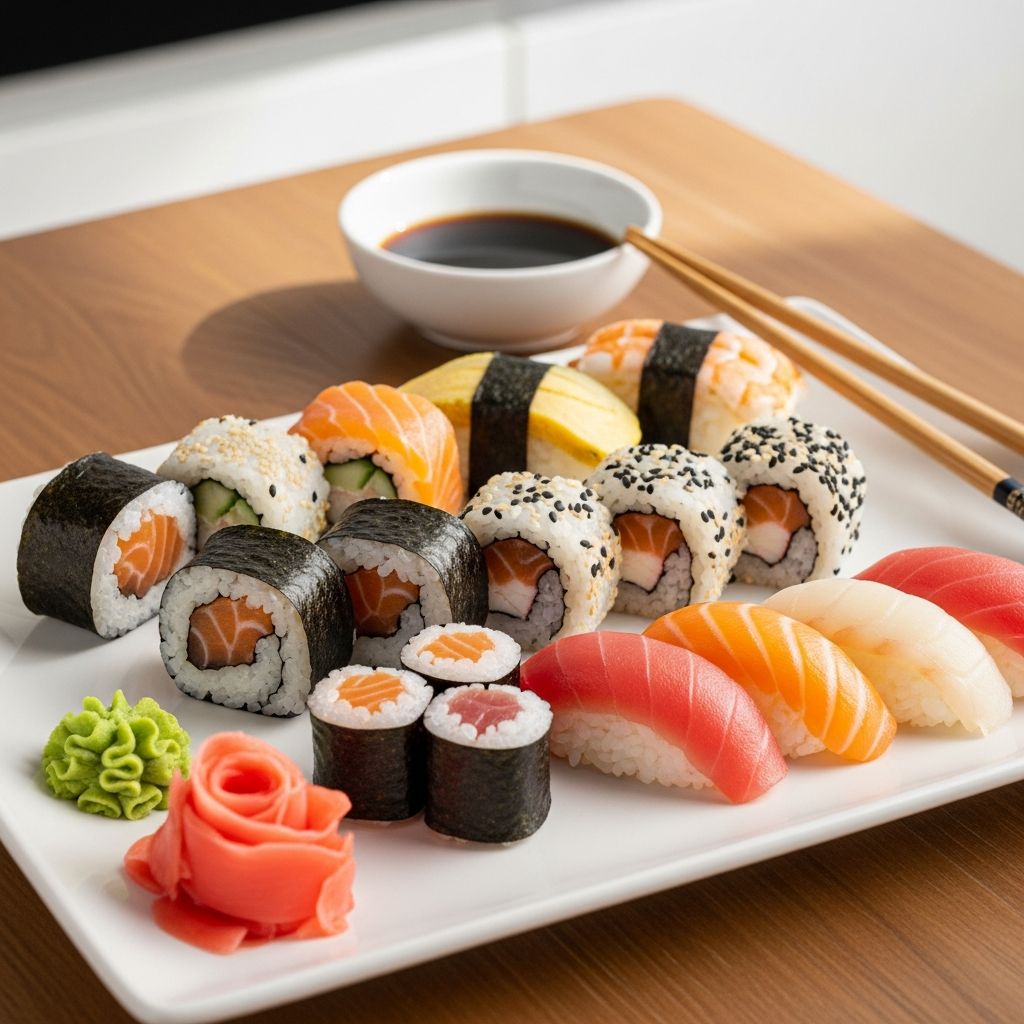
Sushi refers to dishes featuring vinegared rice (shari) paired with various toppings or fillings. Common types include:
- Nigiri: Hand-pressed rice topped with raw fish or seafood, like salmon nigiri or tuna nigiri. Low-calorie and high-protein.
- Sashimi: Sliced raw fish without rice, focusing purely on seafood’s nutrients.
- Maki rolls: Rice and fillings wrapped in nori seaweed, such as cucumber rolls or California rolls with crab, avocado, and cucumber.
- Temaki: Hand-rolled cones of nori filled with rice and ingredients.
- Uramaki: Inside-out rolls with rice on the outside, often found in Western adaptations like spicy tuna rolls.
Key ingredients include sushi rice (seasoned with vinegar, sugar, and salt), raw or seared fish (tuna, salmon, yellowtail), vegetables (cucumber, avocado), and nori. Sauces like soy, wasabi, and ginger add flavor but also sodium.
Is Sushi Healthy? The Nutritional Breakdown
Sushi’s nutrition varies by type. A simple nigiri piece offers about 40-60 calories, 5-7g protein, and minimal fat, while tempura rolls can exceed 500 calories per roll with added fried elements and mayo-based sauces.
| Sushi Type | Calories (per piece/roll) | Protein (g) | Fat (g) | Sodium (mg) |
|---|---|---|---|---|
| Salmon Nigiri (1 piece) | 50 | 6 | 2 | 100 |
| California Roll (8 pieces) | 250 | 12 | 8 | 600 |
| Spicy Tuna Roll (8 pieces) | 400 | 15 | 12 | 800 |
| Sashimi (3 oz salmon) | 180 | 20 | 10 | 50 |
Data approximated from common nutritional analyses; values depend on preparation. Sushi provides protein from fish (20-25g per roll), healthy fats like omega-3s from salmon, and fiber from vegetables and nori.
Health Benefits of Sushi
Sushi shines nutritionally due to its fresh ingredients. Here’s why it’s often a smart pick:
- High-Quality Protein: Fish like tuna and salmon deliver lean protein for muscle repair, satiety, and immune support—around 7g per serving. Protein helps maintain energy and tissue health.
- Omega-3 Fatty Acids: Fatty fish (salmon, mackerel, tuna) are rich in omega-3s, which lower inflammation, support heart health, reduce stroke risk, and boost brain function. Eating seafood 1-4 times weekly correlates with lower heart disease mortality.
- Fiber for Digestion: Nori seaweed, cucumber, and avocado provide fiber for gut health, regularity, and weight control by promoting fullness. One nori sheet equals a cup of spinach’s fiber.
- Vitamins and Minerals: Nori offers iodine for thyroid function, plus vitamins A, C, E, calcium, iron, and magnesium. Fish adds B vitamins, vitamin D, zinc, and selenium.
- Low-Calorie Options: Sashimi and veggie rolls support weight loss with high protein and fiber, curbing snacking.
Overall, sushi supports heart health, metabolism, and may aid cancer prevention through antioxidants and anti-inflammatory compounds.
Potential Downsides of Sushi
Not all sushi is healthy. Watch for these pitfalls:
- High Sodium: Soy sauce, rice seasoning, and pickled items can push a meal over 2,000mg sodium, risking high blood pressure.
- Mercury in Fish: Predatory fish like bigeye tuna and swordfish accumulate mercury, harmful especially for pregnant people and children. Limit to 1-2 servings weekly.
- Raw Fish Risks: Parasites and bacteria like vibrio in raw seafood pose foodborne illness risks, particularly for immunocompromised individuals.
- Added Calories and Sugars: Creamy rolls, tempura, and sweet sauces inflate calories and sugars, undermining benefits.
- Refined Carbs: White sushi rice is low-fiber; opt for brown rice versions when available.
Related Stories



How to Choose Healthy Sushi
Follow these dietitian tips for nutritious sushi:
- Prioritize sashimi, nigiri, or simple maki with fish and veggies over specialty rolls.
- Choose omega-3-rich fish: salmon, mackerel, sardines; limit tuna to occasional.
- Add veggies like cucumber, avocado, or edamame for fiber.
- Skip tempura, mayo, and cream cheese; request sauce on the side.
- Use low-sodium soy or ponzu; dip lightly.
- Balance your plate: half sashimi/nigiri, quarter rolls, quarter miso soup or seaweed salad.
Aim for variety to minimize mercury exposure while maximizing nutrients.
Healthier Sushi Roll Recipes to Try at Home
Make sushi at home for control over ingredients. Try these:
Simple Salmon Avocado Roll
Ingredients (makes 2 rolls): 1 cup sushi rice, 4 oz salmon, 1 avocado, cucumber strips, nori sheets.
- Cook and season rice.
- Layer on nori: rice, fillings; roll tightly.
- Slice into 8 pieces. ~200 calories/roll, high omega-3s.
Veggie-Packed Tuna Roll
Use canned tuna in water for low-mercury protein boost with carrots, spinach, and radish. Adds fiber and vitamins.
Brown Rice Nigiri
Swap white rice for brown to increase fiber and whole grains.
Home prep avoids excess sodium and ensures freshness.
Frequently Asked Questions (FAQs)
Q: Can sushi help with weight loss?
A: Yes, fish-based rolls with veggies provide protein and fiber for satiety, but avoid high-calorie rolls. Pair with a salad for balance.
Q: Is raw sushi safe to eat?
A: Generally safe from reputable sources, but risks exist for vulnerable groups. Cooked options like eel are safer.
Q: Which fish in sushi has the most omega-3s?
A: Salmon, mackerel, and herring top the list for heart-healthy fats.
Q: How much sushi is too much regarding mercury?
A: Limit high-mercury fish to 1 serving/week; low-mercury like salmon are fine more often.
Q: Is vegetarian sushi healthy?
A: Yes, with avocado, veggies, and nori for healthy fats, fiber, and iodine—add tofu for protein.
Final Thoughts from the Dietitian
Sushi can absolutely be healthy: prioritize simple, fish-forward options for protein, omega-3s, and nutrients while dodging sodium traps and mercury. Enjoy 1-2 times weekly as part of a varied diet. Consult a doctor for personalized advice, especially if pregnant or with health conditions.
References
- The Nutrition Secrets of Sushi: Protein, Fats, and Fiber — Sushi Kong. 2023. https://sushikong.com/blog/unlocking-the-nutritional-secrets-of-sushi-whats-really-in-your-roll/
- Is Sushi Healthy? Complete Guide to Nutrition, Benefits & Smart Choices — Clean Eatz Kitchen. 2024. https://www.cleaneatzkitchen.com/a/blog/is-sushi-good-for-weight-loss
- The Health Benefits of Sushi — ChristianaCare News. 2013-07-01. https://news.christianacare.org/2013/07/the-health-benefits-of-sushi/
- 6 Health Benefits of Sushi — Nikko Sushi Bar. 2023. https://www.nikkosushibar.net/blog/6-health-benefits-of-sushi
- Is Sushi Healthy? The Health Benefits of Sushi — Kelly Loves. 2024. https://kellyloves.com/blogs/news/is-sushi-healthy-the-health-benefits-of-sushi
- Sushi: Healthy or Unhealthy? — Healthline. 2024-10-15. https://www.healthline.com/nutrition/is-sushi-healthy
- Best (and Worst) Sushi for Your Health — WebMD. 2023. https://www.webmd.com/diet/ss/slideshow-best-worst-sushi-health
Similar Articles








Read full bio of Sneha Tete