Is The Flu Shot A Live Virus? Facts, Safety, And Benefits
Unraveling the truth: Does the flu shot contain live virus? Expert insights on vaccine safety and flu protection for all ages.
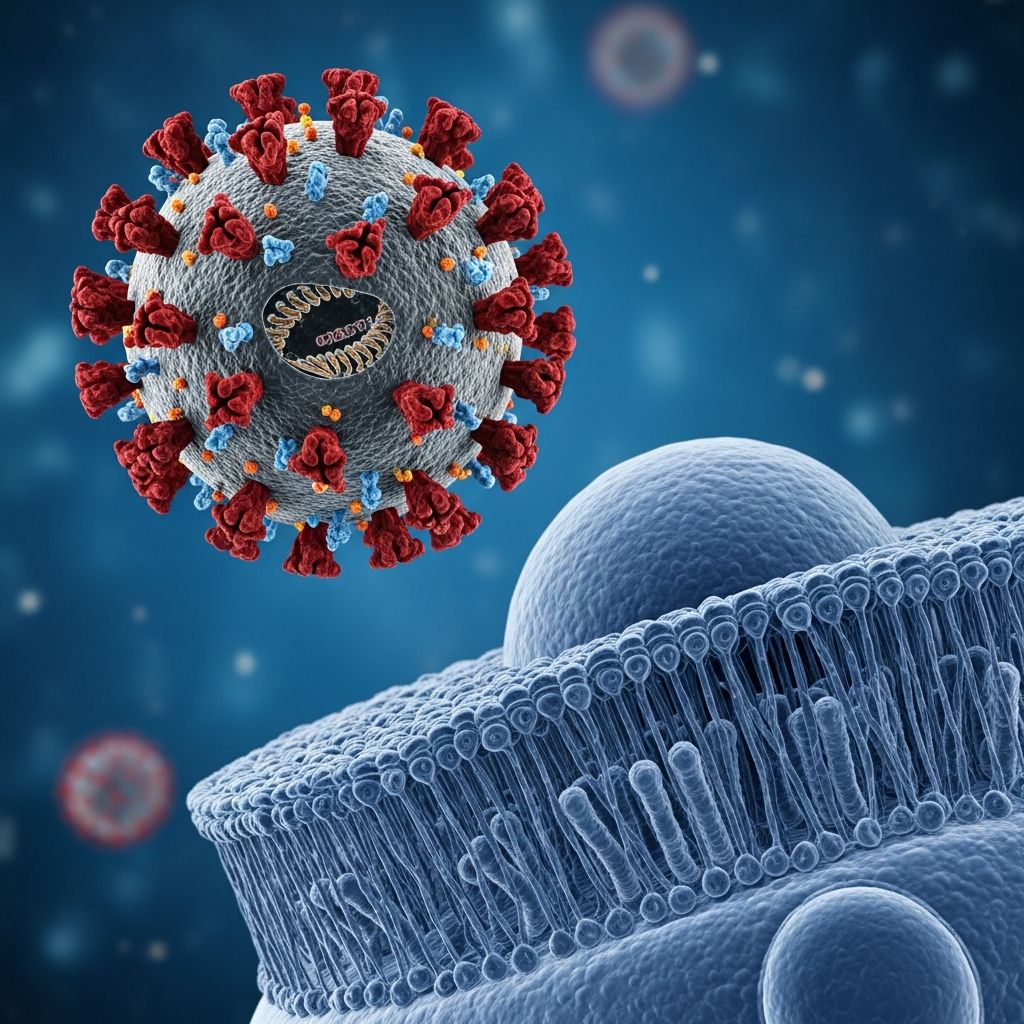
The flu shot does not contain a live virus; it uses inactivated (killed) influenza virus particles that cannot cause infection, providing safe immunity against seasonal flu strains.
Influenza vaccines are rigorously tested and recommended annually by health authorities to reduce illness severity, hospitalizations, and deaths from flu, which claims up to 650,000 lives yearly from respiratory causes alone.
What Is in the Flu Shot?
The standard flu shot, known as the inactivated influenza vaccine (IIV), contains killed virus particles grown in eggs or cell cultures, fragmented into proteins like hemagglutinin and neuraminidase to trigger an immune response without replication.
These components cannot infect cells or cause flu symptoms, distinguishing them from live attenuated vaccines used in nasal sprays.
- Inactivated virus: Heat- or chemically-killed, non-infectious particles.
- Recombinant vaccine: Lab-produced proteins without virus material.
- Adjuvants: Optional enhancers for stronger immunity in some formulations.
Unlike myths suggest, no live virus enters the bloodstream via injection, ensuring safety for immunocompromised individuals.
Flu Shot vs. Nasal Spray Vaccine
The injectable flu shot uses inactivated virus safe for nearly everyone, while the nasal spray (live attenuated influenza vaccine, LAIV) employs weakened, cold-adapted viruses that replicate only in the nose, not lungs.
| Vaccine Type | Composition | Administration | Suitable For |
|---|---|---|---|
| Flu Shot (IIV) | Inactivated/killed virus or proteins | Injection (arm) | Everyone 6 months+, including pregnant people |
| Nasal Spray (LAIV) | Weakened live virus | Nasal spray | Healthy 2-49 years, not for immunocompromised or pregnant |
Flu shots dominate U.S. distribution due to broader eligibility and proven safety profile.
Can You Get the Flu from the Flu Shot?
No, the flu shot cannot cause influenza because it lacks live, infectious virus; any post-vaccination symptoms like mild fever or soreness stem from immune activation, lasting 1-2 days.
Coincidental colds from other viruses (rhinovirus, RSV) or unrelated illnesses are often misattributed to the vaccine, perpetuating this myth.
- Timeline mismatch: Vaccine side effects peak within 24-48 hours; flu incubation is 1-4 days.
- No replication: Killed virus cannot multiply or spread.
- Evidence: Decades of data show no causal link.
Even if vaccinated and exposed, breakthrough infections are milder due to primed immunity.
Side Effects of the Flu Shot
Common side effects are mild and short-lived: soreness at injection site (10-64%), low-grade fever, fatigue, or headache in 1-10% of recipients.
Severe reactions like allergic anaphylaxis occur in fewer than 1 in 1 million doses; Guillain-Barré Syndrome risk is about 1 extra case per million, far lower than flu’s complications.
- Mild (most common): Redness, swelling, muscle aches.
- Rare: High fever, seizures (mostly in children).
- Management: Acetaminophen for discomfort; monitor for 15 minutes post-shot.
Related Stories



Thimerosal, a preservative in some multi-dose vials, has no proven harm at low doses per extensive studies.
Flu Vaccine Effectiveness
Flu vaccine effectiveness varies yearly (40-60%) due to strain matching, yet it consistently cuts hospitalization risk by 40% and mortality in high-risk groups.
The CDC selects strains based on global surveillance; imperfect matches still provide cross-protection against related viruses.
- 2024-2025 season estimate: 40-50% against outpatient visits.
- High-risk benefits: Reduces ICU admissions by 82% in hospitalized patients.
- Herd immunity: Protects unvaccinable infants under 6 months.
Vaccination is superior to natural infection, avoiding risks like pneumonia or hospitalization.
Who Should Get the Flu Shot?
Everyone 6 months and older should receive an annual flu shot, prioritizing high-risk groups: pregnant people, young children, elderly, chronic illness patients.
Healthy adults gain milder symptoms and community protection; pregnant vaccination passes antibodies to newborns.
- Pregnant individuals: Highest risk of severe flu; safe in any trimester.
- Children: Annual shots from 6 months reduce school absenteeism.
- Healthcare workers: Prevent nosocomial spread.
No upper age limit; even past infections warrant yearly boosters due to antigenic drift.
Flu Myths vs. Facts
| Myth | Fact |
|---|---|
| Better to get flu than vaccine | Vaccine prevents severe illness; natural flu risks hospitalization. |
| Healthy people don’t need it | Flu hospitalizes healthy adults; aids herd immunity. |
| Stomach flu = influenza | Influenza is respiratory; no vomiting/diarrhea typically. |
| Vaccine ineffective if you get sick | Protects against targeted strains; reduces severity. |
| Flu virus lives 48 hours on surfaces | True; clean with approved disinfectants. |
Antivirals like Tamiflu shorten symptoms if started within 48 hours, complementing vaccines.
Frequently Asked Questions (FAQs)
Can the flu shot give me the flu?
No, it contains no live virus capable of infection; side effects mimic immune response, not flu.
Is the nasal spray vaccine safe?
For healthy non-pregnant 2-49-year-olds; weakened virus doesn’t cause flu in lungs.
Should pregnant people get the flu shot?
Yes, it’s safe and protects mother and baby via antibody transfer.
How effective is the flu vaccine?
40-60% against infection; significantly lowers severe outcomes.
Can I get flu after vaccination?
Possible with mismatched strains, but illness is milder.
Does the vaccine contain thimerosal?
Some multi-dose vials; single-dose and nasal sprays are thimerosal-free, with no harm evidence.
Who can’t get the flu shot?
Allergic to eggs or prior vaccine components; consult doctor.
Annual flu vaccination remains a cornerstone of public health, debunking myths with science-backed evidence for safer seasons.
References
- Flu: Myths vs. Facts — Quincy Medical Group. 2023. https://www.quincymedgroup.com/health-topic/flu-myths-vs-facts
- Flu Myths vs. Facts: Debunking Common Misconceptions — Families Fighting Flu. 2024. https://familiesfightingflu.org/flu-myths-vs-facts-debunking-common-misconceptions/
- Flu Shot Myths Busted — Montana DPHHS. 2023. https://dphhs.mt.gov/assets/publichealth/CDEpi/Infographics/COVID_Flu_RSV/FlushotmythbustersADA.pdf
- 5 Myths About the Flu Vaccine — World Health Organization (WHO). 2023-10-03. https://www.who.int/news-room/spotlight/influenza-are-we-ready/5-myths-about-the-flu-vaccine
- Dispelling Myths Held by Parents About the Influenza Vaccine — National Institutes of Health (NIH), PMC. 2009-12-01. https://pmc.ncbi.nlm.nih.gov/articles/PMC2806084/
- Key Facts About Seasonal Flu Vaccine — Centers for Disease Control and Prevention (CDC). 2025-09-01. https://www.cdc.gov/flu/vaccines/keyfacts.html
Similar Articles








Read full bio of Sneha Tete