Is The Flu Shot A Live Virus? Facts And Safety Guide
Debunking the myth: Flu shots contain inactivated virus and cannot cause influenza. Learn the facts about flu vaccines.
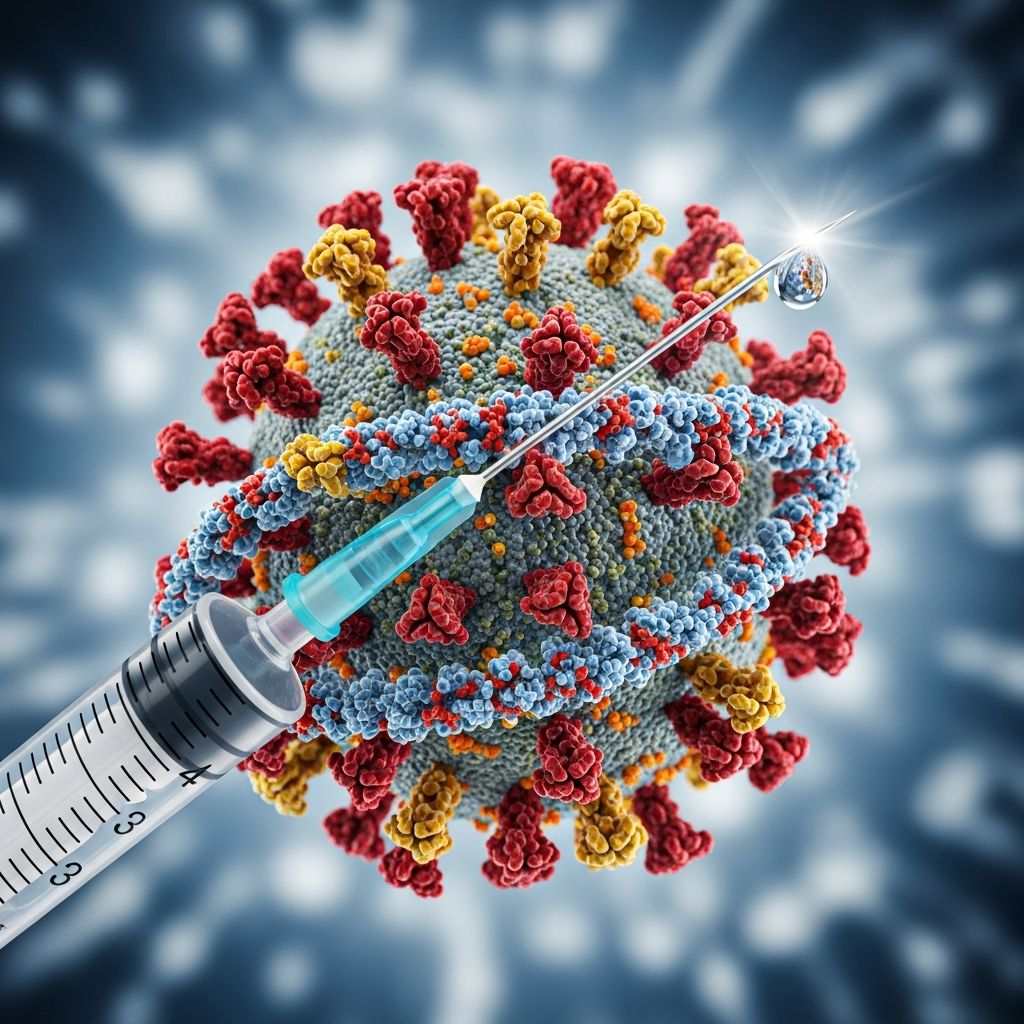
The flu shot is
not
a live virus vaccine. Most influenza vaccines administered as injections contain inactivated (killed) virus particles or viral proteins that cannot cause infection. This common misconception—that the flu shot can give you the flu—stems from coincidental timing of other illnesses post-vaccination, but authoritative sources like the CDC confirm it is impossible.Seasonal influenza affects millions annually, leading to hospitalization and deaths, particularly among vulnerable groups. Understanding vaccine composition is crucial for public health confidence. Flu vaccines are rigorously tested and updated yearly to match circulating strains.
What’s in the Flu Shot?
The standard flu shot, known as the inactivated influenza vaccine (IIV), uses viruses grown in eggs or cell cultures, then chemically inactivated to render them non-infectious. These cannot replicate or cause disease. Recombinant vaccines use proteins produced in insect cells, avoiding eggs entirely for those with allergies.
- Inactivated (killed) virus: Cannot replicate; stimulates immune response safely.
- Recombinant vaccine: Contains hemagglutinin protein only, no whole virus.
- High-dose versions: For adults 65+, with four times the antigen for stronger response.
Unlike the shot, the nasal spray vaccine (live attenuated influenza vaccine, LAIV) contains weakened viruses that replicate only in cooler nasal passages, not lungs. It is approved for healthy individuals aged 2-49 but not recommended for everyone due to its live nature.
Types of Flu Vaccines
Flu vaccines come in various formulations to suit different needs:
| Type | Composition | Approved For | Live Virus? |
|---|---|---|---|
| Inactivated Influenza Vaccine (IIV) | Killed virus | All ages 6 months+ | No |
| Recombinant Influenza Vaccine (RIV) | Viral proteins | Ages 18-64 | No |
| Live Attenuated Influenza Vaccine (LAIV) | Weakened live virus | Healthy 2-49 years | Yes (attenuated) |
| High-Dose IIV | Higher antigen dose | 65+ | No |
For 2024-2025, all U.S. vaccines are trivalent, targeting H1N1, H3N2, and B/Victoria viruses. Quadrivalent versions protect against an additional B/Yamagata strain, though it’s currently absent.
Can the Flu Shot Give You the Flu?
No. The injectable flu shot cannot cause influenza because it lacks live, replicating virus. People sometimes report symptoms shortly after vaccination, but these are mild immune responses like soreness, low fever, or fatigue—not flu. Coincidental colds or other viruses may occur, as vaccination doesn’t prevent all respiratory illnesses.
The nasal spray uses cold-adapted viruses that don’t survive body temperature in lungs, preventing infection. Severe allergic reactions are rare (about 1 in 1 million), and conditions like Guillain-Barré Syndrome occur at rates no higher than background levels.
“A flu vaccine cannot cause flu.” — CDC.
Flu Vaccine Side Effects
Most people experience no side effects or mild ones lasting 1-2 days:
- Soreness, redness, or swelling at injection site.
- Fever, muscle aches, or fatigue (sign of immune activation).
- For nasal spray: Runny nose, congestion.
Serious side effects are exceedingly rare. The vaccine does not cause severe illness; any post-vaccination flu-like symptoms are from unrelated pathogens. Pregnant individuals and those with egg allergies can safely receive most formulations.
Related Stories



How Effective Is the Flu Vaccine?
Effectiveness varies yearly (40-60%) due to viral mutations but consistently reduces flu risk, severity, hospitalizations, and deaths. Even partial matches provide cross-protection. Vaccinated individuals who get flu have milder cases.
CDC data shows vaccination prevents ~half of illnesses and offers community protection via herd immunity, safeguarding infants under 6 months and immunocompromised people. Annual updates by global surveillance ensure relevance.
Who Should Get the Flu Shot?
Everyone 6 months and older should receive annual flu vaccination, per CDC and WHO. Priority groups include:
- Young children (6 months-4 years).
- Pregnant people (any trimester; protects newborns).
- Adults 65+ (high-dose preferred).
- Chronic conditions (asthma, diabetes, heart disease).
- Healthcare workers and caregivers.
Healthy adults benefit too, reducing complications like pneumonia. No evidence links thimerosal (preservative in multi-dose vials) to harm; single-dose are preservative-free.
Flu Myths vs. Facts
| Myth | Fact |
|---|---|
| The flu shot gives you the flu. | Inactivated shot cannot; nasal spray weakened virus doesn’t infect lungs. |
| Healthy people don’t need it. | Everyone benefits; prevents spread to vulnerable. |
| Flu isn’t serious. | Up to 650,000 respiratory deaths yearly. |
| Vaccine doesn’t work if you still get sick. | Protects against targeted strains; reduces severity. |
| Stomach flu = influenza. | No; influenza is respiratory. |
Pregnancy and Flu Vaccines
Pregnant individuals should get vaccinated. Flu raises risks of hospitalization, preterm birth, and fetal loss; vaccination halves maternal flu risk and passes antibodies to newborns. All trimesters are safe; no live virus concerns with shots.
When to Get Your Flu Shot
Ideal timing: Late September to October, before peak season (November-March). Late vaccination is still beneficial. Protection develops in ~2 weeks and lasts the season. Revaccination isn’t needed unless high-risk.
Frequently Asked Questions (FAQs)
Is the nasal spray vaccine safe?
Yes for healthy non-pregnant 2-49 year-olds; weakened viruses can’t cause flu.
Can I get the flu shot if allergic to eggs?
Yes; egg-free recombinant or cell-based options available.
Does the flu shot protect against all flus?
No, targets predicted strains; still reduces overall risk.
Why annual shots?
Immunity wanes; viruses mutate yearly.
What if I get sick after vaccination?
Not from vaccine; other viruses possible.
Flu vaccination remains a cornerstone of prevention, saving lives amid persistent myths. Consult healthcare providers for personalized advice.
References
- Flu: Myths vs. Facts — Quincy Medical Group. Accessed 2026. https://www.quincymedgroup.com/health-topic/flu-myths-vs-facts
- Flu Myths vs. Facts: Debunking Common Misconceptions — Families Fighting Flu. Accessed 2026. https://familiesfightingflu.org/flu-myths-vs-facts-debunking-common-misconceptions/
- Can A Flu Vaccine Give You The Flu? — National Foundation for Infectious Diseases (NFID). Accessed 2026. https://www.nfid.org/can-a-flu-vaccine-give-you-the-flu/
- Flu Shot Myths Busted — Montana DPHHS. Accessed 2026. https://dphhs.mt.gov/assets/publichealth/CDEpi/Infographics/COVID_Flu_RSV/FlushotmythbustersADA.pdf
- 5 Myths About the Flu Vaccine — World Health Organization (WHO). 2019-01-16. https://www.who.int/news-room/spotlight/influenza-are-we-ready/5-myths-about-the-flu-vaccine
- Key Facts About Seasonal Flu Vaccine — Centers for Disease Control and Prevention (CDC). Accessed 2026. https://www.cdc.gov/flu/vaccines/keyfacts.html
Similar Articles








Read full bio of medha deb