Is There a Link Between PCOS and Diabetes?
Explore the strong connection between PCOS and type 2 diabetes, risk factors, screening guidelines, and prevention strategies for better health outcomes.

Polycystic ovary syndrome (PCOS) and type 2 diabetes are closely interconnected conditions affecting millions of women worldwide. Women with PCOS have a
four times higher risk
of developing type 2 diabetes compared to those without the syndrome, often diagnosed four years earlier on average. This association stems primarily from insulin resistance, a hallmark of PCOS present in the majority of cases, which significantly elevates diabetes risk.Understanding this link is crucial for early intervention. More than half of women with PCOS may develop type 2 diabetes by age 40, underscoring the need for proactive screening and lifestyle management. While recent genetic studies suggest PCOS itself may not directly cause diabetes—pointing instead to shared factors like obesity and elevated testosterone—the clinical overlap demands vigilant monitoring.
What is PCOS?
**Polycystic ovary syndrome (PCOS)** is the most common hormonal disorder in women of reproductive age, affecting an estimated 5-10% globally, or 5-6 million women in the US alone. It is characterized by elevated androgen levels (male hormones like testosterone), irregular menstrual cycles, and polycystic ovaries visible on ultrasound.
Symptoms often include:
- Irregular or absent periods
- Excess facial or body hair (hirsutism)
- Acne and oily skin
- Weight gain, particularly around the abdomen
- Infertility due to lack of ovulation
- Thinning hair or male-pattern baldness
Diagnosis requires at least two of three criteria (Rotterdam criteria): hyperandrogenism, ovulatory dysfunction, and polycystic ovarian morphology. Insulin resistance affects up to 70% of women with PCOS, independent of obesity, amplifying metabolic risks.
What is Type 2 Diabetes?
Type 2 diabetes occurs when the body becomes resistant to insulin, a hormone that regulates blood sugar, leading to elevated glucose levels. Over time, the pancreas may fail to produce enough insulin. It accounts for 90-95% of diabetes cases and is linked to obesity, inactivity, and genetics.
Key features include:
- High fasting blood glucose (≥126 mg/dL)
- HbA1c ≥6.5%
- Symptoms like increased thirst, frequent urination, fatigue, and blurred vision
Complications encompass cardiovascular disease, kidney failure, neuropathy, and retinopathy. In PCOS, diabetes develops earlier (average age 31 vs. 35 in controls) and progresses faster.
Why is There a Link Between PCOS and Diabetes?
The connection is multifaceted, driven by
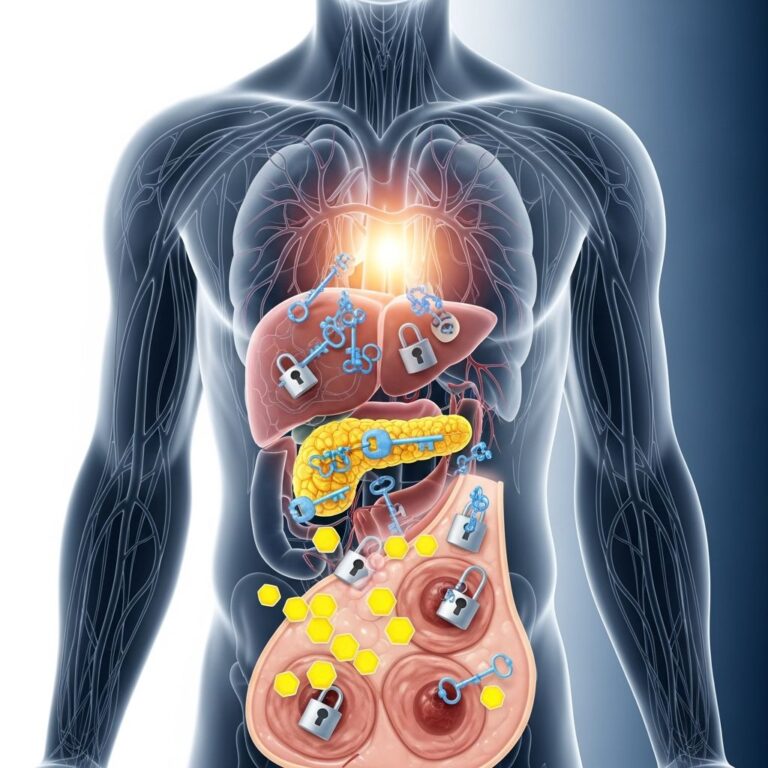
insulin resistance
as the primary mechanism. In PCOS, insulin resistance leads to hyperinsulinemia, where high insulin levels synergize with luteinizing hormone (LH) to boost ovarian androgen production, worsening PCOS symptoms. This creates a vicious cycle: excess androgens promote abdominal fat accumulation, further impairing insulin sensitivity.Key linking factors:
- Obesity: 30-80% of PCOS patients are overweight/obese; BMI causally drives both PCOS and diabetes.
- Hyperandrogenism: Elevated testosterone genetically links to both conditions.
- Low SHBG: Sex hormone-binding globulin inversely correlates with insulin resistance.
- Dyslipidemia: High triglycerides predict T2D in PCOS.
Related Stories



Observational studies confirm higher diabetes rates in PCOS (meta-analyses show 3-7 fold risk), though Mendelian randomization indicates obesity, not PCOS per se, as the causal mediator for diabetes and CVD.
Risk Factors for Diabetes in Women with PCOS
| Risk Factor | Impact on Diabetes Risk | Source |
|---|---|---|
| High BMI/Obesity | Strongest predictor; 4x risk increase | |
| Fasting glucose/Insulin levels | Best predictors alongside BMI | |
| High triglycerides | Positively associated | |
| Age >40 | Less relevant; most cases <40 | |
| Multiple pregnancies | Protective (negative association) | |
| Low SHBG/Testosterone | Causal factors |
BMI and fasting glucose emerge as top predictors, emphasizing metabolic screening over age alone.
Screening for Diabetes in Women with PCOS
All women with PCOS warrant annual diabetes screening from diagnosis, per guidelines from the Endocrine Society and ADA. Recommended tests:
- OGTT (Oral Glucose Tolerance Test): Gold standard; 75g glucose load, measure 2-hour glucose (≥200 mg/dL = diabetes).
- HbA1c: ≥6.5%; convenient but less sensitive in PCOS.
- Fasting glucose: ≥126 mg/dL.
Screen earlier/more frequently if BMI >30, family history, or gestational diabetes history. Precision approaches target high-BMI or low-SHBG patients.
Preventing and Managing Diabetes in PCOS
Lifestyle intervention is first-line: 5-10% weight loss improves insulin sensitivity by 30-50%.
Lifestyle Changes:
- Balanced diet (low-GI, Mediterranean-style)
- 150 min/week moderate exercise
- Behavioral support for sustainable loss
Medications:
- Metformin: Improves insulin resistance, aids weight loss/ovulation (500-2000mg/day).
- GLP-1 agonists: Emerging for obesity/diabetes in PCOS.
- OCPs: Mixed effects; monitor glucose.
Multidisciplinary care (endocrinologist, dietitian) optimizes outcomes. Tailor to causal risks like obesity.
Latest Research on PCOS and Diabetes
A 2017 Danish nationwide study (18,477 PCOS women) confirmed 4x T2D risk, earlier onset. Contrasting 2023 Cedars-Sinai genetic analysis (Mendelian randomization) found no direct PCOS causality for diabetes/CVD/stroke; obesity/BMI mediates. NIDDK highlights insulin’s role as a reproductive hormone disrupting ovulation. CDC notes insulin resistance as key driver.
Future directions: Precision screening, novel therapies targeting SHBG/androgens.
Frequently Asked Questions (FAQs)
Q: Does PCOS directly cause diabetes?
A: No, PCOS does not directly cause diabetes; shared factors like obesity and insulin resistance mediate the strong association. Women with PCOS have 4x higher risk.
Q: How often should I get screened for diabetes if I have PCOS?
A: Annually with OGTT from diagnosis; more frequently if obese or high-risk.
Q: Can lifestyle changes reverse diabetes risk in PCOS?
A: Yes, 5-10% weight loss significantly improves insulin sensitivity and reduces risk.
Q: Is metformin safe for all PCOS patients?
A: Generally yes; consult a doctor for GI side effects or contraindications.
Q: Does pregnancy protect against diabetes in PCOS?
A: More births negatively associate with T2D risk, possibly via metabolic changes.
References
- Researchers reveal link between PCOS, type 2 diabetes — Endocrine Society. 2017-06-12. https://www.endocrine.org/news-and-advocacy/news-room/2017/researchers-reveal-link-between-pcos-type-2-diabetes
- Surprising Study Finds PCOS Does Not Cause Diabetes, Heart Disease, Stroke — Cedars-Sinai. 2023. https://www.cedars-sinai.org/stories-and-insights/healthy-living/pcos-diabetes-heart-disease-stroke
- What are the Links Between Polycystic Ovary Syndrome (PCOS) and Diabetes? — NIDDK (NIH). Accessed 2026. https://www.niddk.nih.gov/health-information/professionals/diabetes-discoveries-practice/links-pcos-diabetes
- Why Women With PCOS Have a Higher Risk of Diabetes — University Hospitals. 2025-10-20. https://www.uhhospitals.org/blog/articles/2025/10/why-women-with-pcos-have-a-higher-risk-of-diabetes
- Diabetes and Polycystic Ovary Syndrome (PCOS) — CDC. Accessed 2026. https://www.cdc.gov/diabetes/risk-factors/pcos-polycystic-ovary-syndrome.html
- Polycystic Ovary Syndrome and Risk of Type 2 Diabetes — Diabetes Journals (ADA). 2021-02. https://diabetesjournals.org/diabetes/article/70/2/627/39489/Polycystic-Ovary-Syndrome-and-Risk-of-Type-2
Similar Articles








Read full bio of Sneha Tete