Is There Really Any Benefit to Multivitamins?
Exploring the scientific evidence behind multivitamin supplements and their actual health benefits.
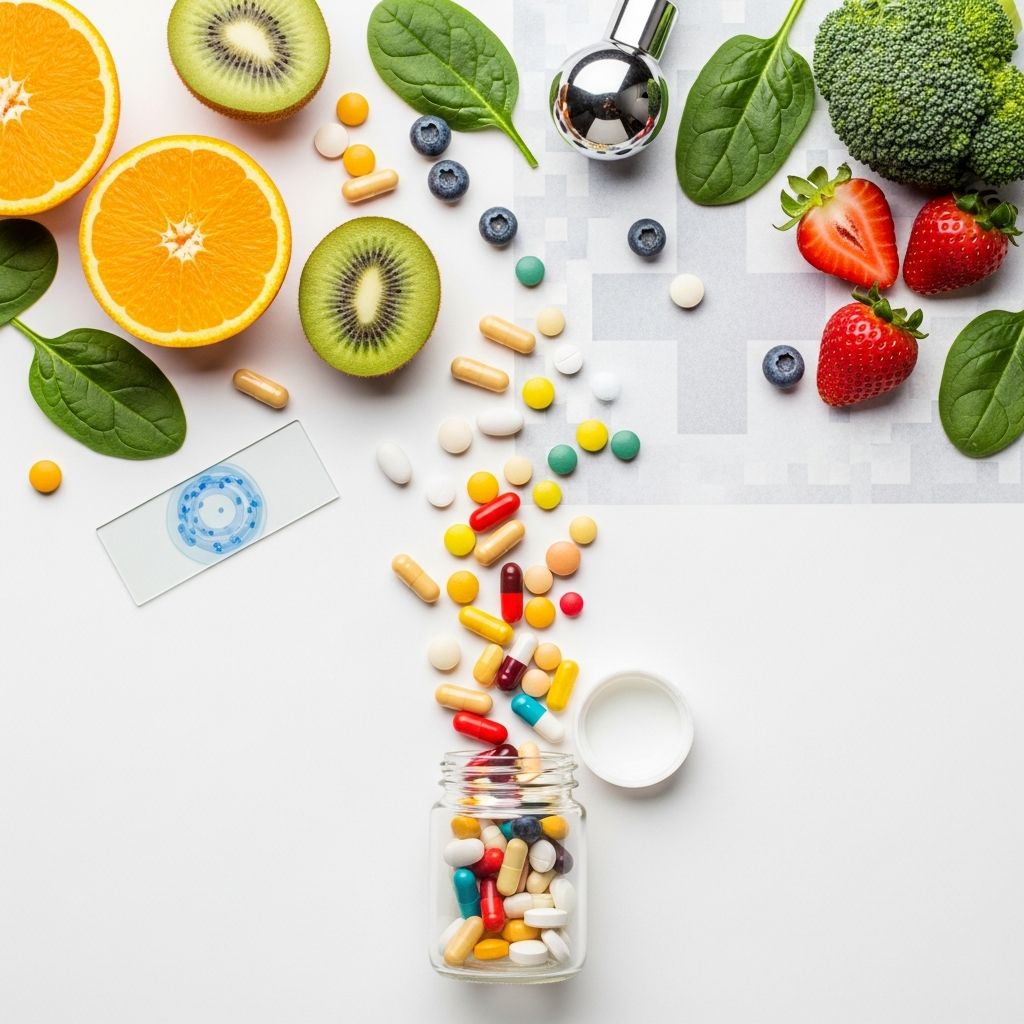
Multivitamins are among the most commonly used dietary supplements in the United States, with approximately half of all Americans taking some form of vitamin or mineral supplement. Despite their widespread use, the question of whether multivitamins actually provide meaningful health benefits remains a subject of considerable scientific debate. While the supplement industry promotes these products as essential for maintaining health and preventing disease, recent comprehensive research suggests that the reality may be far more complex than marketing claims suggest.
The popularity of multivitamins stems from a reasonable assumption: if vitamins and minerals are necessary for health, taking more of them should enhance wellbeing and prevent illness. However, decades of rigorous scientific investigation have painted a different picture. Multiple large-scale studies, meta-analyses, and randomized controlled trials have examined whether multivitamins can reduce the risk of heart disease, cancer, cognitive decline, and premature death. The findings have been remarkably consistent, revealing that for most people, multivitamins offer little to no measurable benefit.
What the Research Shows
Comprehensive reviews of multivitamin research have examined evidence from hundreds of studies involving millions of participants. A landmark analysis reviewed findings from multiple large prospective cohort studies and randomized controlled trials, collectively tracking over 450,000 people. This extensive body of evidence consistently demonstrated that multivitamins did not reduce the risk of heart disease or cancer in the general population. Furthermore, studies specifically designed to assess cognitive function found no significant difference in memory loss, mental decline, or slowed thinking between those taking multivitamins and those taking placebos over extended follow-up periods.
One particularly important study followed nearly 5,950 male physicians aged 65 and older for 12 years in a randomized, controlled trial. Participants either took a daily multivitamin or a placebo, with researchers tracking various cognitive measures throughout the study period. The results showed no meaningful difference in cognitive decline between the two groups, despite the common perception that supplements might support brain health.
When researchers examined cardiovascular outcomes specifically, they found no differences in rates of heart attacks, chest pain, hospitalizations, cardiac procedures, strokes, or early death between those taking multivitamins and those taking placebos. This finding held true even among individuals with prior heart disease, suggesting that multivitamins cannot reduce secondary cardiovascular events in this at-risk population.
Nutrient Intake and Dietary Gaps
While multivitamins may not prevent disease, one legitimate function they do serve is increasing nutrient intake in individuals whose diets are deficient in certain vitamins and minerals. Research demonstrates that approximately 74-76% of men and 72-75% of women obtain adequate intakes of vitamins and minerals from food alone. However, for those who do not meet recommended amounts through diet, multivitamins can increase the prevalence of nutrient adequacy to approximately 83-84%.
The nutrients showing the greatest improvement with multivitamin use include vitamin A, vitamin E, and zinc. For individuals with documented nutritional deficiencies or those following restrictive diets, multivitamins may serve a practical purpose in filling specific nutrient gaps. However, this differs fundamentally from the disease-prevention claims commonly made in supplement marketing.
Related Stories



Specific Health Conditions and Targeted Use
Pregnancy and Birth Outcomes
One area where multivitamin supplementation shows clear evidence of benefit is in pregnancy. Research indicates that multivitamin/mineral supplementation resulted in significantly improved birth outcomes compared to iron and folic acid supplementation alone. Specifically, women taking comprehensive multivitamins experienced 13% lower odds of low birth weight, 12% lower odds of preterm birth, and 14% lower odds of small size for gestational age.
The most critical component for pregnant women is folic acid, which prevents neural tube defects in developing babies when taken before and during early pregnancy. The Centers for Disease Control and Prevention recommends that all women of reproductive age consume 400 micrograms of folic acid daily. This represents one of the few universally accepted indications for multivitamin supplementation in generally healthy individuals.
Age-Related Macular Degeneration
For individuals with intermediate age-related macular degeneration (AMD), multivitamin supplementation has demonstrated modest benefits. Over an average follow-up period of 6.3 years, specific supplements significantly reduced the risk of progression from intermediate to advanced AMD by 28% and reduced rates of vision loss by 27%. However, it is important to note that these supplements did not prevent the initial onset of AMD or affect the risk of cataracts.
Conditions Affecting Nutrient Absorption
Individuals with certain medical conditions that impair nutrient absorption may derive genuine benefit from multivitamins. For example, people with celiac disease experience compromised intestinal absorption of nutrients, making supplementation potentially beneficial. Similarly, individuals with other gastrointestinal conditions that affect nutrient uptake may require multivitamin support as part of their medical management.
Potential Harms and Safety Concerns
Beyond the lack of proven benefits, research has identified potential harms associated with certain vitamins and minerals, particularly when taken in high doses. Vitamin E and beta-carotene supplements, especially at elevated doses, have been associated with adverse health effects in some studies. Additionally, taking excessive amounts of certain minerals can interfere with the absorption of other nutrients and may cause unwanted side effects.
The concern about harm is particularly relevant for individuals who take multiple supplements or megadoses of individual nutrients without medical supervision. While most vitamins are water-soluble and excess amounts are typically excreted through urine, fat-soluble vitamins like A, D, E, and K can accumulate in body tissues and potentially reach toxic levels.
Expert Recommendations and Best Practices
Leading medical and research institutions have developed clear recommendations regarding multivitamin use based on available evidence. According to experts at Johns Hopkins, “Pills are not a shortcut to better health and the prevention of chronic diseases.” Instead, medical professionals emphasize that nutritional recommendations with much stronger evidence of benefits include eating a healthy, well-balanced diet, maintaining a healthy weight, and reducing intake of saturated fat, trans fat, sodium, and added sugars.
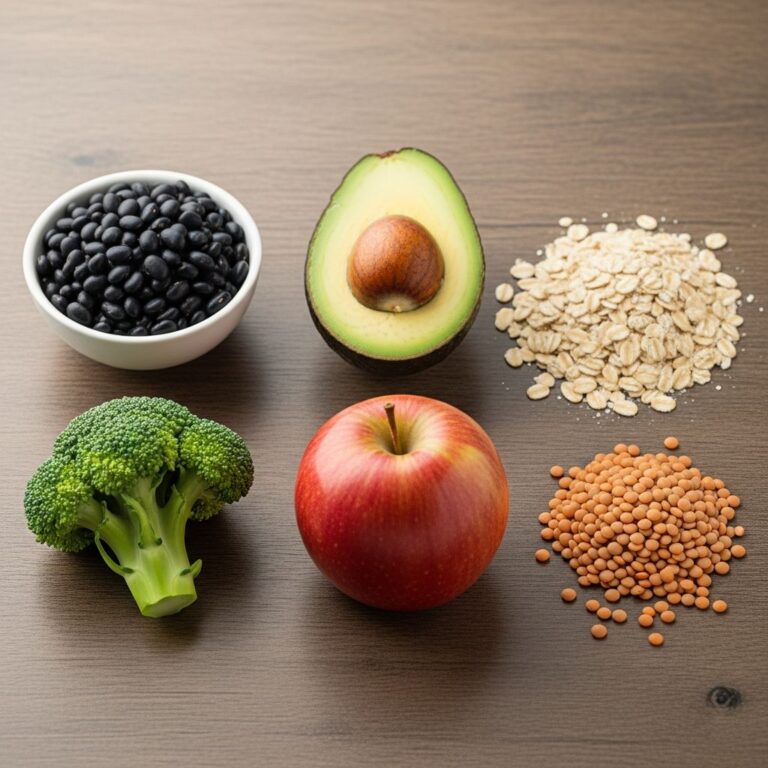
For the general population seeking to optimize health and prevent chronic disease, the scientific evidence supports focusing on dietary approaches rather than supplement strategies. A nutrient-rich diet provides not only the necessary vitamins and minerals but also phytonutrients, fiber, and other beneficial compounds that multivitamins cannot replicate.
Who Should Consider Multivitamins?
While multivitamins are not recommended for most healthy adults, certain populations may reasonably benefit from supplementation:
- Pregnant women and women of childbearing potential: Folic acid supplementation prevents neural tube defects and is recommended for all women of reproductive age.
- Individuals with documented nutrient deficiencies: Those whose blood work shows deficiency in specific vitamins or minerals may benefit from targeted supplementation or multivitamins.
- People with conditions affecting nutrient absorption: Those with celiac disease, inflammatory bowel disease, or other gastrointestinal conditions that impair nutrient uptake may require supplementation.
- Elderly individuals with limited dietary intake: Older adults who struggle to consume adequate nutrition through food alone may benefit from multivitamins to ensure nutrient adequacy.
- Individuals following restrictive diets: Those adhering to vegan, vegetarian, or other restrictive dietary patterns may need targeted supplementation for nutrients difficult to obtain from their diet.
The Role of Individual Nutrients
While multivitamins as a whole show limited benefit, certain individual nutrients have stronger evidence supporting their importance. Vitamin D, for instance, plays crucial roles in bone health by facilitating calcium absorption and supports immune function and cardiovascular health. However, the evidence regarding whether supplemental vitamin D effectively prevents falls and fractures in elderly populations remains mixed, with some studies showing benefits and others showing no significant effect.
Calcium is essential for bone health and density, particularly for women at risk of osteoporosis. However, obtaining calcium through dietary sources whenever possible is preferable to supplementation, as food sources typically provide better bioavailability and work synergistically with other nutrients.
Comparing Multivitamins to Dietary Approaches
| Approach | Effectiveness | Safety Profile | Cost | Additional Benefits |
|---|---|---|---|---|
| Healthy Diet | Strong evidence for disease prevention | Excellent | Variable | Provides fiber, phytonutrients, improved digestion |
| Multivitamins | Limited evidence for disease prevention | Generally safe at recommended doses | Ongoing expense | Convenience, fills specific nutrient gaps |
| Targeted Supplementation | Moderate to strong for specific deficiencies | Good when medically supervised | Variable | Addresses specific health concerns |
Frequently Asked Questions
Q: Do multivitamins help prevent heart disease?
A: No. Research involving hundreds of thousands of participants found that multivitamins did not reduce the risk of heart disease, heart attacks, or related cardiovascular events. A healthy diet, regular exercise, and management of risk factors like blood pressure and cholesterol are far more effective for heart health.
Q: Can multivitamins prevent cancer?
A: Current evidence does not support the use of multivitamins for cancer prevention in the general population. Large-scale studies have found no significant reduction in cancer risk among multivitamin users compared to nonusers. Maintaining a healthy weight, eating a diet rich in fruits and vegetables, limiting alcohol, and avoiding tobacco remain the most effective cancer prevention strategies.
Q: Do multivitamins improve memory and cognitive function?
A: Studies specifically examining cognitive outcomes found no significant difference in memory, mental decline, or cognitive function between people taking multivitamins and those taking placebos, even over 12-year follow-up periods. Lifestyle factors like physical exercise, cognitive engagement, quality sleep, and a healthy diet show stronger evidence for supporting brain health.
Q: Are multivitamins safe?
A: Multivitamins are generally safe at recommended doses for most people. However, certain vitamins like E and beta-carotene may pose risks at high doses. Individuals taking multiple supplements or with specific health conditions should consult healthcare providers before starting supplementation.
Q: Should pregnant women take multivitamins?
A: Yes. Prenatal multivitamins containing folic acid and other essential nutrients are recommended for pregnant women. Folic acid specifically prevents serious birth defects, and comprehensive prenatal supplementation improves birth outcomes. Women of childbearing age should also ensure adequate folic acid intake.
Q: Can multivitamins help people with poor diets?
A: While multivitamins can increase nutrient intake and help achieve adequate levels of certain vitamins and minerals, they cannot replicate the comprehensive health benefits of a nutritious diet. A healthy diet provides fiber, phytonutrients, and other beneficial compounds that supplements cannot offer. However, for individuals unable to improve their diet significantly, multivitamins may serve as a partial solution.
Q: What about vitamin D supplementation?
A: Vitamin D is particularly important for bone health, immune function, and cardiovascular health. While vitamin D supplementation shows promise, evidence regarding its ability to prevent falls and fractures in elderly populations remains mixed. Individuals at risk for vitamin D deficiency should have their levels tested and follow healthcare provider recommendations for supplementation.
The Bottom Line
Decades of rigorous scientific research consistently demonstrate that for most healthy adults, multivitamins do not prevent chronic diseases like heart disease and cancer, nor do they extend lifespan or prevent cognitive decline. However, multivitamins are not universally without value. They can serve a legitimate purpose for pregnant women, individuals with documented nutrient deficiencies, people with conditions affecting nutrient absorption, and those following restrictive diets.
Rather than viewing a multivitamin as an insurance policy against poor health choices, the evidence strongly supports a dietary approach to obtaining necessary nutrients. Eating a balanced diet rich in vegetables, fruits, whole grains, lean proteins, and healthy fats provides not only essential vitamins and minerals but also beneficial compounds that supplements cannot provide. Combined with regular physical activity, stress management, adequate sleep, and avoiding harmful substances, a healthy lifestyle provides far more powerful disease prevention than any pill.
Before starting any supplementation regimen, individuals should consult with healthcare providers who can assess individual nutritional needs, evaluate dietary intake, and provide personalized recommendations based on specific health circumstances.
References
- Multivitamin/Mineral Supplements – Health Professional Fact Sheet — National Institutes of Health, Office of Dietary Supplements. 2024-12-01. https://ods.od.nih.gov/factsheets/MVMS-HealthProfessional/
- The Importance of Vitamin D in Human Life — Johns Hopkins Health. 2024. https://www.jhah.com/en/news-events/news-articles/the-importance-of-vitamin-d-in-human-life/
- Multivitamins: Help or Harm? — Technology Networks. 2018. https://www.technologynetworks.com/applied-sciences/news/multivitamins-help-or-harm-314543
- Multivitamins Won’t Boost Health, Waste of Money: Researchers — CBS News. 2024. https://www.cbsnews.com/news/multivitamin-researchers-say-case-is-closed-supplements-dont-boost-health/
- Little Evidence Multivitamins Prevent Chronic Diseases — Johns Hopkins Bloomberg School of Public Health. 2006. https://publichealth.jhu.edu/2006/huang-multivitamins
Similar Articles








Read full bio of Sneha Tete