Is Tilapia Healthy? Nutrition, Benefits, And Safety Guide
Unpacking the nutrition, benefits, controversies, and smart ways to enjoy tilapia in your diet.
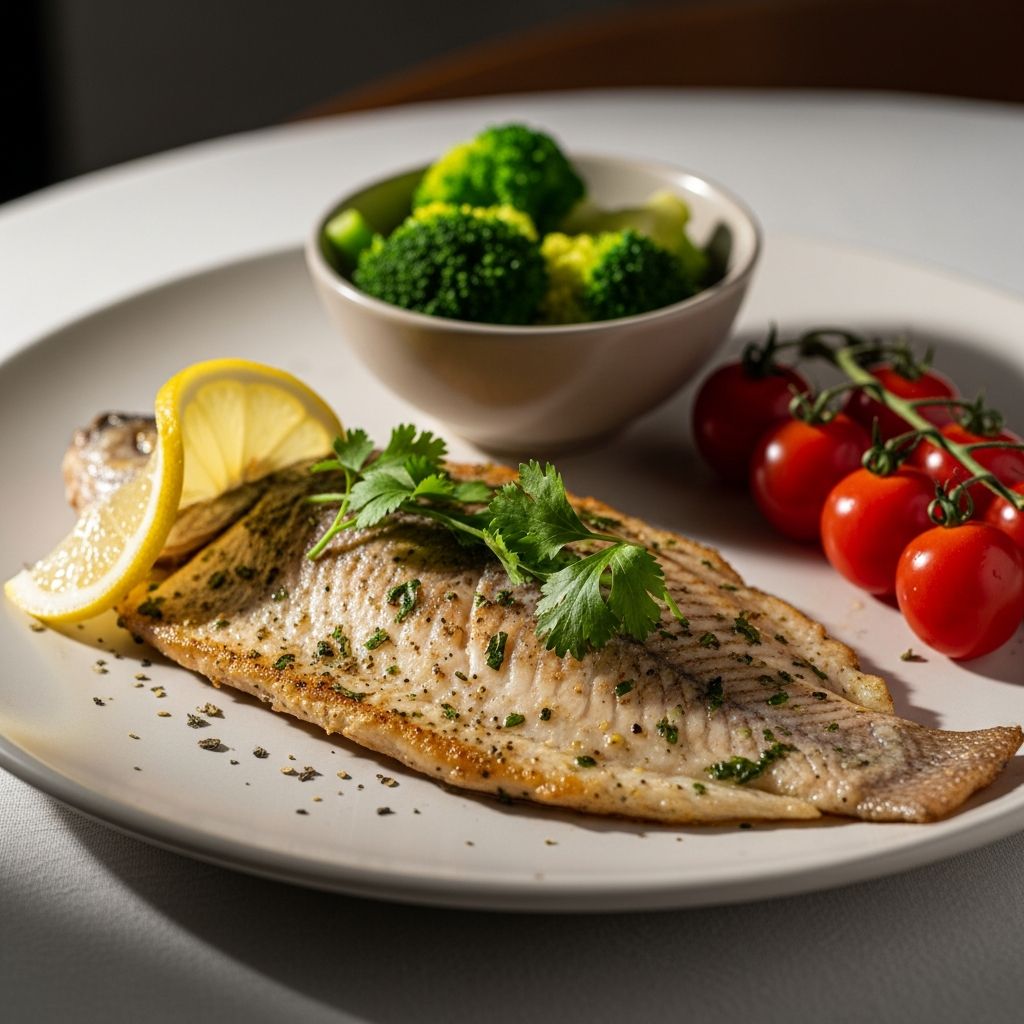
Tilapia, a mild-flavored white fish, has surged in popularity as an affordable, lean protein source. But questions linger: Is it truly healthy, or are there hidden drawbacks from its farming practices? This article dives into the nutrition facts, benefits, controversies, and practical advice to help you decide if tilapia deserves a spot on your plate.
What Is Tilapia?
Tilapia refers to several species of freshwater fish, primarily from the cichlid family, native to Africa but now farmed worldwide. It’s one of the most consumed fish globally due to its rapid growth, adaptability to aquaculture, and neutral taste that pairs well with various seasonings. Unlike oily fish like salmon, tilapia is lean, making it appealing for calorie-conscious eaters.
Farmed tilapia dominates the market, with major producers in China, Indonesia, and Latin America. Wild tilapia exists but is less common. Its farming efficiency keeps prices low—often under $5 per pound—making it accessible compared to pricier seafood.
Tilapia Nutrition Facts
A 3-ounce (85g) serving of cooked tilapia delivers impressive nutrition without excess calories. Here’s a breakdown:
| Nutrient | Amount per 3 oz Serving | % Daily Value* |
|---|---|---|
| Calories | 110-111 kcal | 6% |
| Protein | 20-22.8 g | 40-46% |
| Total Fat | 2.3-2.5 g | 3-4% |
| Saturated Fat | 1 g | 5% |
| Omega-3 (EPA+DHA) | 115 mg | 7-9% |
| Phosphorus | 177 mg | 14% |
| Potassium | 331 mg | 7% |
| Selenium | 47.3 µg | 86% |
| Vitamin B12 | 1.62 µg | 68% |
| Niacin (B3) | 4.12 mg | 26% |
| *Based on a 2,000-calorie diet. Sources vary slightly by farming method and preparation. | ||
Tilapia’s high protein content supports muscle repair and satiety. It’s also rich in B vitamins for energy metabolism, selenium for antioxidant protection, and minerals like phosphorus for bone health. Moisture makes up 79-81% of its composition, with protein at 15-16% and low lipids (0.6-2.4%).
Health Benefits of Eating Tilapia
Tilapia offers targeted benefits backed by its nutrient profile. While not as omega-3-rich as salmon, it contributes meaningfully to health goals.
Supports Heart Health
The omega-3 fatty acids (EPA+DHA) in tilapia—about 115 mg per serving—help lower triglycerides, reduce inflammation, and protect against atherosclerosis, heart attacks, and strokes. Potassium aids blood pressure regulation, with a favorable Na/K ratio under 1:1, beneficial for cardiovascular health.
Boosts Brain Function
Omega-3s support neurological health, potentially warding off dementia. B vitamins like B12 and niacin enhance cognitive function and mood regulation.
Aids Weight Management
Low-calorie (110 kcal/serving) and high-protein, tilapia promotes fullness without adding fat. It’s a lighter alternative to fattier fish, ideal for weight loss or maintenance.
Strengthens Bones and Immunity
Phosphorus and selenium team up for bone density and antioxidant defense. Selenium boosts white blood cell activity, combats oxidative stress, and supports thyroid function.
- Essential amino acids like leucine (1.47-1.56 g/100g) and lysine (1.66-1.74 g/100g) aid muscle building and overall protein quality.
- n-3 and n-6 fatty acids balance supports immune and anti-inflammatory effects.
Related Stories



Guidelines recommend 8-12 oz of seafood weekly, including lean options like tilapia, for heart, brain, and weight benefits.
Potential Downsides and Controversies
Not all tilapia is equal. Concerns focus on fatty acid balance and farming.
Omega-6 to Omega-3 Ratio
Tilapia’s omega-6:omega-3 ratio is about 11:1 or 1.5:1 (sources vary), higher than ideal (1:1 to 4:1). Farmed tilapia fed corn/soy diets may elevate omega-6, potentially promoting inflammation if overconsumed without balancing omega-3 sources. However, both are essential, and tilapia’s total fat is low (2.7g/100g cooked).
Farming Practices and Contaminants
Much tilapia comes from Asia, where overcrowding, antibiotics, and poor water quality raise alarms. Feeds often include grains, fishmeal, and soy, affecting nutrition. Risks include PCBs or heavy metals, though levels are typically low and regulated in the U.S.
Proximate analysis shows variations: wild tilapia has lower energy (97 kcal/100g) than cage-farmed (127 kcal/100g).
Is Farmed Tilapia Safe to Eat?
Yes, when sourced responsibly. U.S.-inspected tilapia meets FDA standards, with contaminant levels below safety thresholds. The Dietary Guidelines endorse it as part of varied seafood intake. A 2016 study found tilapia’s Na/K ratio and amino acids make all types (wild, pond, cage) safe and beneficial, especially for cardiovascular health.
Choose U.S., Ecuador, or Peru-sourced tilapia for stricter oversight. Avoid unverified imports.
How to Choose Healthy Tilapia
- Look for certifications: Aquaculture Stewardship Council (ASC), Best Aquaculture Practices (BAP), or Ocean Wise labels ensure sustainability and quality.
- Check origin: Prefer U.S., Taiwan, or Latin America over unregulated Asian farms.
- Freshness signs: Firm flesh, mild smell, clear eyes (for whole fish).
- Frozen is fine: Often flash-frozen at peak freshness.
Delicious Ways to Eat Tilapia
Tilapia shines in simple preparations that preserve nutrients.
- Grilled or Baked: Season with lemon, herbs, olive oil; bake at 400°F for 10-12 minutes.
- Tacos: Blackened tilapia with slaw and lime crema.
- Stir-Fry: Quick-cook with veggies and soy-ginger sauce.
- Soups: Add to tomato-based broths for Mediterranean flair.
Aim for 2 servings weekly, paired with omega-3 boosters like walnuts or flaxseeds.
Frequently Asked Questions (FAQs)
Is tilapia healthier than chicken?
Tilapia edges out chicken breast in omega-3s and selenium but matches protein (20g vs. 25g per 3oz). Both are lean; tilapia wins for variety.
Can pregnant women eat tilapia?
Yes, up to 12 oz weekly for B12 and low-mercury benefits, per pregnancy guidelines.
Does tilapia have mercury?
Low levels (safer than tuna), making it ideal for frequent consumption.
Is tilapia inflammatory?
Its omega-6 ratio may contribute if unbalanced, but moderation and diet variety mitigate risks.
How often should I eat tilapia?
2-3 times weekly as part of seafood rotation for optimal benefits.
Bottom Line: Should You Eat Tilapia?
Tilapia is healthy when chosen wisely—offering lean protein, vitamins, and minerals for heart, brain, bone, and weight goals. Address concerns by opting for certified sources and balancing with other seafood. It’s a smart, budget-friendly addition to a varied diet.
References
- Benefits of Tilapia – 6 Reasons to Eat Tilapia — Central CT Fish Market. Accessed 2026. https://cfishct.com/blog/6-top-reasons-put-tilapia-menu/
- Tilapia Nutrition + 9 Things You Need to Know About Tilapia — About Seafood. Accessed 2026. https://aboutseafood.com/blog/tilapia-nutrition-9-things-you-need-to-know-about-tilapia/
- Nutritional profile of wild, pond-, gher- and cage-cultured tilapia — PMC (National Library of Medicine). 2021-05-11. https://pmc.ncbi.nlm.nih.gov/articles/PMC8121654/
- Tilapia Fish: Nutrition, Benefits, and Risks — Healthline. Accessed 2026. https://www.healthline.com/nutrition/tilapia-fish
- Is tilapia healthy? Safety to eat, nutrition, and how farmers raise it — Medical News Today. Accessed 2026. https://www.medicalnewstoday.com/articles/322493
Similar Articles








Read full bio of Sneha Tete