Turkey Bacon: 4 Benefits, 5 Risks, And A Health Verdict
Turkey bacon seems like a healthier swap for pork bacon, but is it really better for you? We break down the nutrition facts, benefits, and risks.
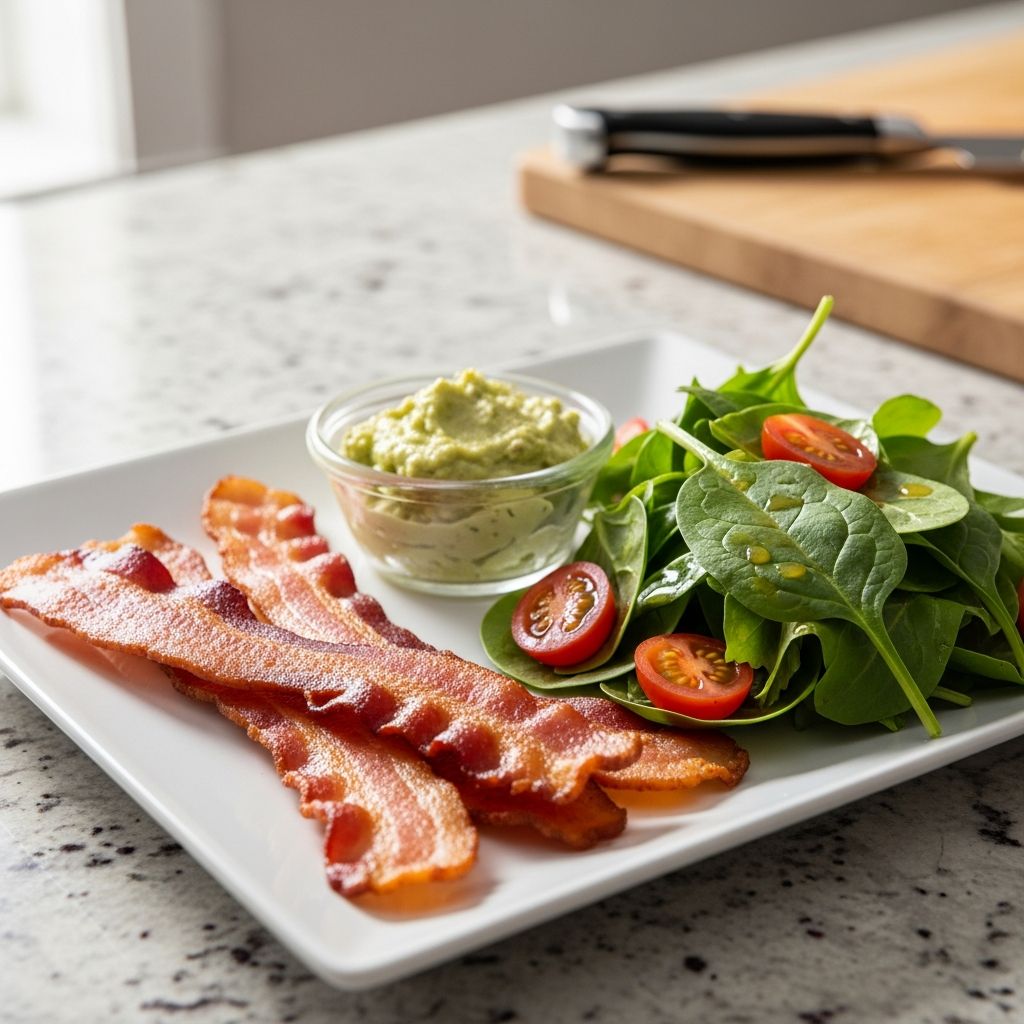
Turkey bacon is frequently touted as a leaner, lower-calorie alternative to traditional pork bacon, appealing to those seeking to reduce fat intake while enjoying that familiar smoky, crispy flavor. Made from ground turkey meat shaped into strips, flavored, and cured, it promises a guilt-free indulgence. However, despite its healthier reputation, turkey bacon remains a highly processed meat product containing preservatives, high sodium, and sometimes added sugars, raising questions about its overall health impact.
Nutrition experts emphasize that while turkey bacon offers some advantages over pork varieties—such as reduced calories and saturated fat—it doesn’t escape the drawbacks associated with processed meats. Organizations like the World Health Organization classify processed meats as Group 1 carcinogens, linking regular consumption to increased risks of colorectal cancer and other health issues. This article dives deep into the composition of turkey bacon, compares it directly to pork bacon, explores its benefits and risks, and provides practical advice on whether it deserves a spot in your diet.
What Is Turkey Bacon?
Turkey bacon starts with mechanically separated turkey meat, typically from the breast or thighs, which is finely chopped or ground into a paste-like consistency. This mixture is then seasoned with salt, sugar, smoke flavorings, and preservatives like sodium nitrite or celery powder (a natural nitrate source in organic versions) to mimic the taste, texture, and appearance of pork bacon. The seasoned paste is formed into thin strips, smoked or cooked, and sliced for packaging.
Unlike whole-muscle pork bacon, which comes from the pork belly and is cured as a single piece, turkey bacon is a restructured product. This processing allows for consistency in shape and flavor but introduces additives that can compromise nutritional quality. While turkey meat itself is a lean protein source rich in nutrients like B vitamins, selenium, and phosphorus, these benefits are diminished in bacon form due to the heavy processing and addition of sodium and fats.
Not all turkey bacon is created equal. Organic or uncured varieties avoid synthetic nitrates, using natural alternatives, and some brands offer low-sodium or no-sugar-added options. Always check labels for ingredients like mechanically separated turkey, hydrolyzed soy protein, or artificial flavors, which indicate higher processing levels.
Turkey Bacon Nutrition Facts
A typical serving of turkey bacon—one ounce or about two slices (around 28 grams)—provides the following nutritional profile, based on USDA data and common brand averages:
- Calories: 30–35 kcal (compared to 43 kcal in pork bacon)
- Total Fat: 2.1–2.5 g (0.6 g saturated; pork has 3.1 g total, 1.1 g saturated)
- Protein: 2.4–8.4 g (varies by brand; pork has 3.6 g)
- Carbohydrates: 0.3–1 g (often from added sugars)
- Sodium: 328–573 mg (14–25% DV; similar to pork)
- Cholesterol: 20–43 mg
- Key Micronutrients: Selenium (15% DV), Vitamin B6 (6% DV), zinc, phosphorus (under 10% DV each)
These values highlight turkey bacon’s edge in calories and fat but reveal comparable sodium levels and sometimes lower protein. The table below compares a standard slice of turkey bacon (8–9 g) to pork bacon:
Related Stories



| Nutrient | Turkey Bacon (per slice) | Pork Bacon (per slice) |
|---|---|---|
| Calories | 30 | 43 |
| Total Fat | 2.1 g | 3.1 g |
| Saturated Fat | 0.6 g | 1.1 g |
| Protein | 2.4 g | 3.6 g |
| Sodium | 328 mg | 192 mg (varies) |
| Carbs | 0.3 g | 0.04 g |
Source data from USDA FoodData Central and brand analyses show turkey bacon’s leanness stems from turkey’s naturally lower fat content, but processing adds carbs and sodium for palatability.
Benefits of Turkey Bacon
Turkey bacon isn’t without merits, particularly for those transitioning from pork bacon or managing specific dietary needs. Here are the primary advantages:
Lower Calories and Saturated Fat
With about 25–30% fewer calories and 35–45% less saturated fat per slice, turkey bacon supports weight management and heart health better than pork. For calorie counters, swapping it in recipes like BLTs or salads shaves calories without sacrificing crunch. A study in the American Journal of Clinical Nutrition notes that reducing saturated fat intake correlates with lower LDL cholesterol levels.
Decent Protein Source
Packing 2–8 grams of protein per serving, turkey bacon contributes to daily needs, aiding muscle repair and satiety. High-protein foods like this can help with portion control, as supported by research from the Journal of the International Society of Sports Nutrition. Opt for brands using only turkey breast for maximum protein.
B Vitamins and Minerals
It provides small amounts of B6, selenium, zinc, and phosphorus, which support immune function, metabolism, and antioxidant defense. Though not a powerhouse, these add value in a balanced diet.
Suitable for Certain Diets
Lower in fat, it’s popular in low-fat, keto (if low-carb), or calorie-restricted plans. Halal or kosher options exist since it’s pork-free.
Turkey Bacon Risks and Downsides
Despite benefits, turkey bacon’s processed nature poses significant risks, especially with frequent consumption.
High Sodium Content
Two slices deliver 14–25% of the daily sodium limit (2,300 mg recommended by the American Heart Association). Excess sodium raises blood pressure, increasing cardiovascular disease risk by up to 17%, per CDC data. Pair with potassium-rich foods like spinach to mitigate.
Added Sugars and Carbs
Many brands add dextrose or maple syrup for flavor, contributing hidden carbs (up to 1 g/slice). This accumulates for low-carb dieters.
Preservatives and Nitrates
Nitrates/nitrites prevent spoilage but can form carcinogenic nitrosamines when heated. The WHO’s IARC classifies processed meats as carcinogenic, with a 18% higher colorectal cancer risk per 50 g daily. “Uncured” versions use celery powder, which still yields nitrates.
Processed Meat Health Links
Regular intake is tied to 18% higher heart disease and 27% higher type 2 diabetes risk, plus elevated breast, lung, and colorectal cancer odds (6–22%), according to meta-analyses. The World Cancer Research Fund advises limiting to minimal amounts.
Lower Protein and Nutritional Density
Less protein than pork and minimal vitamins make it less nutrient-dense than whole turkey or plant proteins.
Turkey Bacon vs. Pork Bacon: Head-to-Head
Turkey bacon wins on fat and calories but ties or loses on sodium, protein, and processing concerns. Pork offers more natural fat flavor but higher saturated fat. Both are processed; neither is a health food. For true health swaps, consider homemade turkey strips or plant-based bacon.
Is Turkey Bacon Healthier Than Regular Bacon?
Yes, marginally—lower calories/fat make it preferable in moderation. But both are processed meats; turkey isn’t “healthy” like unprocessed turkey. Limit to occasional use, choosing nitrate-free, low-sodium, organic options from reputable brands like Applegate or Butterball Naturals.
Healthier Alternatives to Turkey Bacon
- Coconut or Avocado Bacon: Plant-based, low-carb, nitrate-free.
- Tempeh or Mushroom Bacon: Fermented soy or king oyster mushrooms, smoked for flavor; high fiber/protein.
- Homemade Turkey Strips: Bake seasoned turkey breast slices; control ingredients.
- Eggplant or Zucchini Bacon: Thin-sliced veggies crisped with oil/smoke.
- Beef or Chicken Bacon: Similar profiles but vary by leanness.
FAQs
Is turkey bacon processed?
Yes, it’s highly processed with ground turkey, additives, and curing agents, similar to pork bacon.
Does turkey bacon have nitrates?
Most do, synthetic or natural (celery powder); seek “uncured” labels.
Calories in turkey bacon vs. pork?
Turkey: ~30/slice; pork: ~43/slice.
Is turkey bacon good for weight loss?
It helps compared to pork but eat sparingly due to sodium/sugar.
Can I eat turkey bacon every day?
No, limit to 1–2 times weekly to minimize risks.
Best low-sodium turkey bacon?
Brands like Wellshire Farms or low-sodium Butterball.
References
- Dietary Guidelines for Americans, 2020-2025 — U.S. Department of Agriculture and HHS. 2020-12-01. https://www.dietaryguidelines.gov/sites/default/files/2020-12/Dietary_Guidelines_for_Americans_2020-2025.pdf
- Protein intake and muscle mass — Morton RW et al., American Journal of Clinical Nutrition. 2018-03-14. https://doi.org/10.1093/ajcn/nqx378
- Sodium and Cardiovascular Disease — CDC. 2023-07-01. https://www.cdc.gov/salt/index.htm
- IARC Monographs on Processed Meat — World Health Organization. 2015-10-26. https://publications.iarc.fr/556
- Limit Consumption of Red and Processed Meat — World Cancer Research Fund. 2024-01-15. https://www.wcrf.org/dietandcancer/recommendations/limit-red-processed-meat
- FoodData Central: Turkey Bacon — USDA. 2024-05-20. https://fdc.nal.usda.gov/fdc-app.html#/food-details/172004/nutrients
Similar Articles








Read full bio of Sneha Tete