Is Vaping Bad For You? 5 Hidden Health Risks Explained
Uncover the hidden health risks of vaping, from nicotine addiction to lung damage and cancer risks, backed by CDC and WHO evidence.
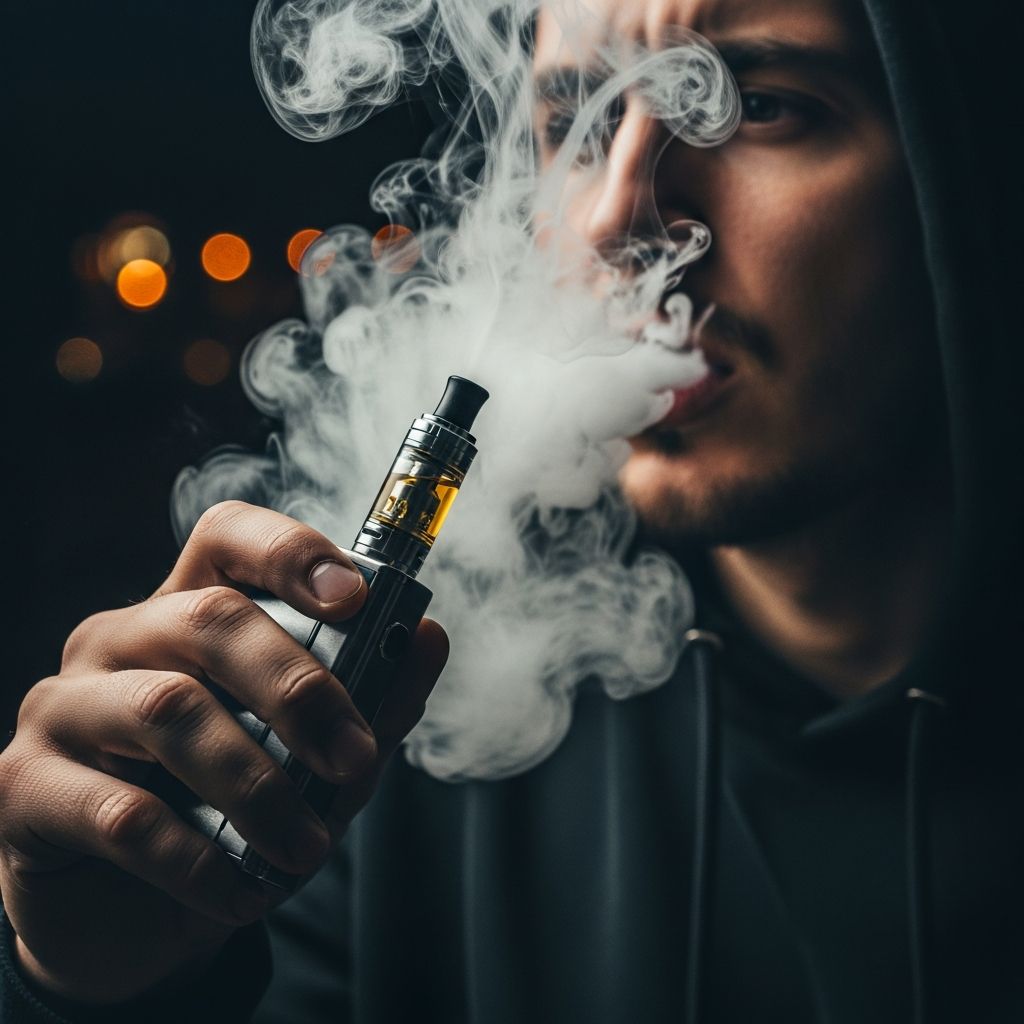
Vaping, often promoted as a safer alternative to smoking, carries significant health risks including nicotine addiction, lung damage, exposure to cancer-causing chemicals, and severe conditions like EVALI. While it may contain fewer toxins than traditional cigarettes, no level of vaping is safe, particularly for youth, pregnant individuals, and non-smokers.
What Is Vaping?
Vaping involves inhaling aerosol from e-cigarettes or vape devices, which heat a liquid (e-liquid) containing nicotine, flavorings, propylene glycol, vegetable glycerin, and other chemicals. These devices, also called ENDS (electronic nicotine delivery systems), produce vapor that users inhale, mistakenly perceived as water vapor but laden with harmful substances.
E-liquids vary widely, with most containing addictive nicotine derived from tobacco. Flavorings like fruit or candy mask the harshness, appealing especially to young users. Heating these liquids generates toxins such as formaldehyde, acrolein, and heavy metals, which are inhaled deep into the lungs.
Health Risks of Vaping
Vaping exposes users to a cocktail of harmful chemicals that damage multiple body systems. Aerosol from e-cigarettes contains nicotine, ultrafine particles, cancer-causing agents, heavy metals (nickel, tin, lead), volatile organic compounds, and flavorings like diacetyl linked to serious lung disease.
- Nicotine Addiction: Highly addictive, nicotine harms adolescent brain development, affecting attention, learning, and impulse control. It’s toxic to fetuses and pregnant women, increasing risks of preterm birth and low birth weight.
- Lung Damage: Inhalation of aldehydes like acrolein (a herbicide) causes acute lung injury, COPD, asthma exacerbations, cough, and wheezing. Propylene glycol and vegetable glycerin are toxic to lung cells.
- Cancer Risk: E-cigarette aerosols produce reactive oxygen species (ROS), DNA damage, and genotoxicity, elevating lung and nasopharyngeal cancer risks. Formaldehyde binds to DNA, promoting carcinogenesis.
- Cardiovascular Effects: Toxins like acetaldehyde contribute to heart disease by damaging blood vessels and increasing inflammation.
- Poisoning Risk: E-liquids are poisonous if swallowed, inhaled, or absorbed through skin, with over 80% of U.S. poison control calls from children under 5.
EVALI: Vaping-Associated Lung Injury
E-cigarette or Vaping product use-Associated Lung Injury (EVALI) emerged as a crisis, with ~2,800 U.S. cases and 68 deaths by early 2020, primarily linked to THC vapes containing vitamin E acetate. Symptoms include shortness of breath, chest pain, cough, and gastrointestinal issues, leading to hospitalization.
The CDC activated an emergency investigation in 2019. While cases declined post-alerts, EVALI underscores vaping’s potential for irreversible lung damage, even from regulated products.
Vaping vs. Smoking: A Fair Comparison?
| Aspect | Vaping | Smoking |
|---|---|---|
| Death Toll (Annual US) | Unknown long-term; emerging risks | 480,000 |
| Chemicals | Fewer but includes nicotine, metals, formaldehyde | 7,000+, including tar |
| Lung Cancer | Increased risk via DNA damage | 90% of cases |
| COPD | Linked via acrolein | 80% of deaths |
| Secondhand Exposure | Nicotine, ultrafine particles, diacetyl | Tar, carcinogens |
Smoking’s long-term harms are well-documented: organ damage, heart disease, stroke, reduced fertility, and cancers. Vaping shares risks like lung damage and cancer promotion but lacks decades of data. A 2019 study showed vapers had higher respiratory disease risk than never-smokers. While potentially less harmful for smokers switching completely, it’s not risk-free.
Effects on Youth and Brain Development
Youth vaping has surged, with nicotine slowing brain development in areas controlling attention, learning, mood, and impulse. The Surgeon General warns of addiction’s lifelong impact. Dual use with cigarettes heightens poisoning risks for children via leaky devices.
Vaping During Pregnancy
No tobacco product is safe in pregnancy. Nicotine damages fetal brain and lungs, associating with low birth weight and preterm birth. Aerosol toxins compound risks.
Related Stories



Secondhand Vaping Risks
Exhaled aerosol contains nicotine, ultrafine particles, diacetyl, benzene, and heavy metals, posing dangers to bystanders, especially children and those with lung conditions.
Is Vaping a Good Way to Quit Smoking?
Vaping can aid quitting as it delivers fewer harmful chemicals, but long-term use perpetuates nicotine addiction. The National Academies confirm health risks persist. Best quitting methods involve FDA-approved therapies, counseling, without vaping.
Regulation and What’s Next
Regulations target youth marketing, flavors, and sales. WHO notes growing lung injury evidence. Ongoing research monitors chronic effects, urging avoidance especially by non-smokers.
Frequently Asked Questions (FAQs)
Is vaping safer than smoking?
Vaping has fewer chemicals but still delivers nicotine, toxins, and cancer risks. It’s not safe, though potentially less harmful for complete smokers switching.
Can vaping cause lung cancer?
Yes, via DNA damage, ROS, and formaldehyde. Biomarkers show elevated cancer risk.
Is vaping safe for teens?
No, nicotine harms developing brains, leading to addiction and respiratory issues.
What is EVALI?
A severe lung injury from vaping, often THC products, causing hospitalization and deaths.
Can pregnant women vape?
No, it risks fetal brain/lung damage and preterm birth.
References
- Health Effects of Vaping — Centers for Disease Control and Prevention (CDC). 2023. https://www.cdc.gov/tobacco/e-cigarettes/health-effects.html
- Health Risks of E-Cigarettes and Vaping — American Lung Association. 2023. https://www.lung.org/quit-smoking/e-cigarettes-vaping/impact-of-e-cigarettes-on-lung
- Vaping vs. smoking: Long-term effects, benefits, and risks — Medical News Today. 2023-10-30. https://www.medicalnewstoday.com/articles/vaping-vs-smoking
- Tobacco: E-cigarettes — World Health Organization (WHO). 2023. https://www.who.int/news-room/questions-and-answers/item/tobacco-e-cigarettes
- Evidence update on the cancer risk of vaping e-cigarettes: A systematic review — Tobacco Induced Diseases. 2023. https://www.tobaccoinduceddiseases.org/Evidence-update-on-the-cancer-risk-of-vaping-e-cigarettes-A-systematic-review,192934,0,2.html
Similar Articles








Read full bio of Sneha Tete