Vegetable Oil: What You Need To Know About Benefits And Risks
Unpacking the science behind vegetable oils: Are they harmful or a healthy choice for your diet and cooking?
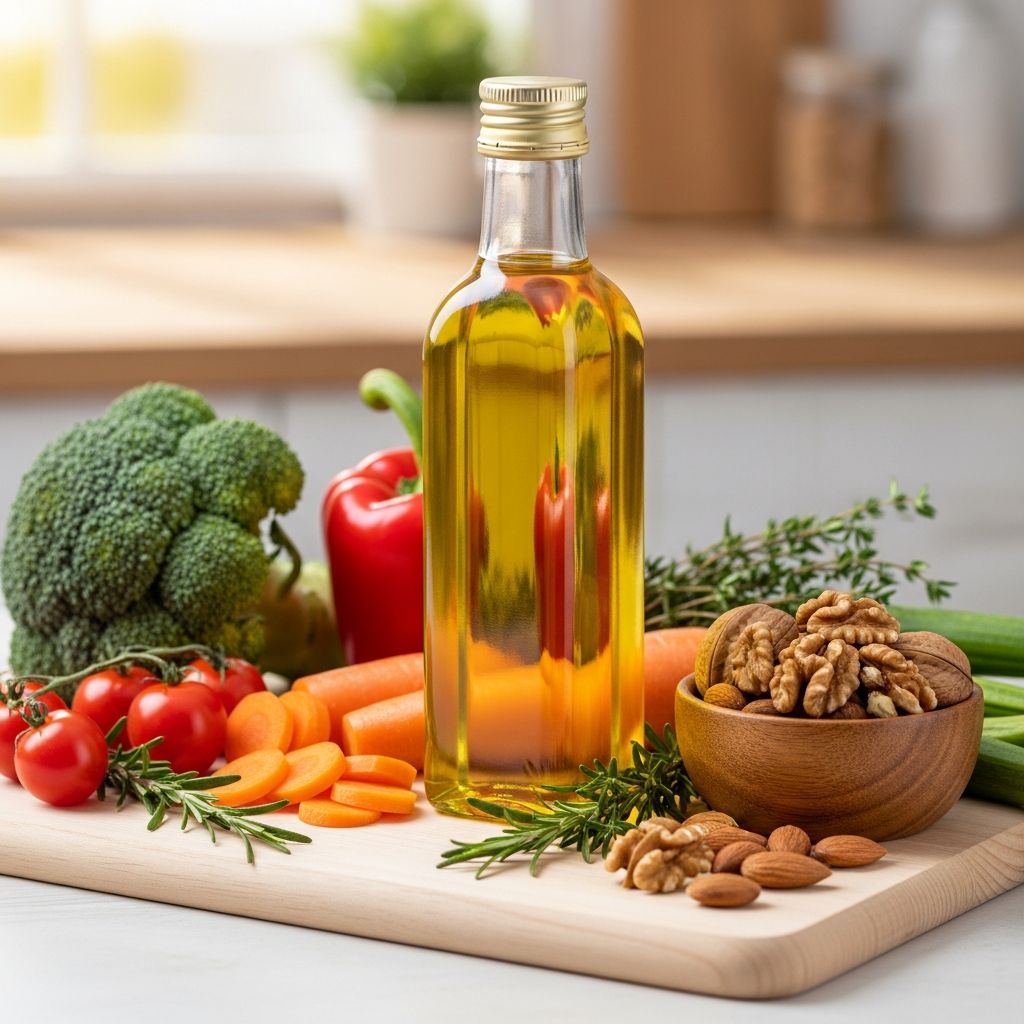
Vegetable oils, extracted from seeds, nuts, and plants, are staples in modern kitchens, but debates rage over their health effects. Common concerns include high omega-6 content, processing methods, and oxidation risks, yet research largely supports their benefits when used appropriately.
What Is Vegetable Oil?
Vegetable oil refers to plant-derived fats like soybean, canola, sunflower, corn, and safflower oils. Unlike olive or coconut oil, these are typically from seeds and refined for stability. They provide essential polyunsaturated fats, including linoleic acid (an omega-6 fatty acid the body can’t produce), vital for cell function and hormone production.
Historically, vegetable oils replaced animal fats post-World War II for affordability and LDL-cholesterol-lowering effects. Today, they dominate processed foods and cooking, prompting scrutiny amid rising chronic diseases.
Are Vegetable Oils Unhealthy?
Social media often labels vegetable oils as ‘toxic’ due to omega-6 fatty acids causing inflammation or processing with chemicals like hexane. However, human studies refute these claims, showing health benefits like reduced mortality from heart disease, cancer, and diabetes.
Omega-6 fears stem from linoleic acid’s susceptibility to oxidation, potentially harming LDL particles and promoting heart disease. Yet, meta-analyses link higher linoleic intake to lower risks of all-cause mortality, cardiovascular death, cancer, diabetes, stroke, and coronary events.
The Omega-6 Controversy
Critics argue excessive omega-6 disrupts the omega-6 to omega-3 balance, fueling inflammation. But omega-6 is essential, and polyunsaturated fats lower bad cholesterol, reducing heart disease and stroke risk per the American Heart Association.
Inflammation is nuanced: acute responses aid healing, while chronic is problematic. Seed oils don’t cause chronic inflammation; ultra-processed foods with sugars and sodium are the real culprits. Studies show no omega-6 toxicity from cooking; vegetable oils outperform butter or lard for heart health.
Historical Studies: What They Really Show
Trials like the Sydney Diet Heart Study, Minnesota Coronary Experiment, and LA Veterans Administration Study are cited against vegetable oils, reporting higher mortality when replacing saturated fats.
- Sydney Diet Heart Study: Safflower oil/margarine group had 62% higher total mortality, 70% higher CHD mortality, 74% higher CVD mortality—but margarine contained 15% trans fats, now banned for harm.
- Minnesota Coronary Experiment: Involved trans-fat margarine; high dropout rates; benefits emerged in compliant participants.
- LA Veterans Study: Excess cancer deaths, but control group had more smokers; trans fats likely culprit.
Modern reanalyses confirm replacing saturated fats with polyunsaturated vegetable oils reduces heart events by 30%.
Processing Concerns: Hexane and Heat
Extraction uses hexane solvent and heat, raising toxicity fears. Residues are minimal (<1 ppm), far below safety limits set by FDA and WHO. Refining enhances stability, shelf life, and rancidity resistance.
Canola oil exemplifies benefits: high monounsaturated fats, omega-3s, phytosterols lowering LDL and offering anti-inflammatory effects. No evidence links processing to health risks.
Health Benefits of Vegetable Oils
An umbrella review of meta-analyses shows moderate evidence that monounsaturated/polyunsaturated-rich oils (canola, olive, rice bran) lower total cholesterol and LDL.
| Oil Type | Key Benefits | Evidence Level |
|---|---|---|
| Canola | Lowers LDL, weight loss, high omega-3 | Moderate |
| Olive (virgin) | Reduces cancers (breast, digestive), cholesterol | Low-Moderate |
| Sesame | Weight reduction, blood sugar control | Moderate-Very Low |
| Coconut/Palm (high saturated) | Increases LDL/total cholesterol | Low |
Related Stories



Olive oil cuts cancer risk (low certainty); sesame and canola aid weight loss; some improve blood sugar. Seed oils support cardiovascular/metabolic health in moderation.
Not All Vegetable Oils Are Equal
Choose based on fatty acid profile:
- Best for heart health: Canola, high-oleic sunflower/safflower (high MUFA/PUFA).
- Versatile cooking: Avocado, grapeseed (high smoke points).
- Flavor enhancers: Sesame for stir-fries.
- Avoid excess: Soybean linked to gut issues in high amounts (animal studies), but human data favors moderation.
Tropical oils like palm/coconut raise LDL despite HDL boosts.
How to Use Vegetable Oils Safely
Use for cooking, dressings—not drinking. Swap saturated fats (butter, lard) for unsaturated to cut heart risk. Store in cool, dark places to prevent oxidation.
- High-heat: Avocado, refined canola (smoke point >400°F).
- Medium-heat/sauté: Sunflower, corn.
- Cold: Flaxseed for omega-3s.
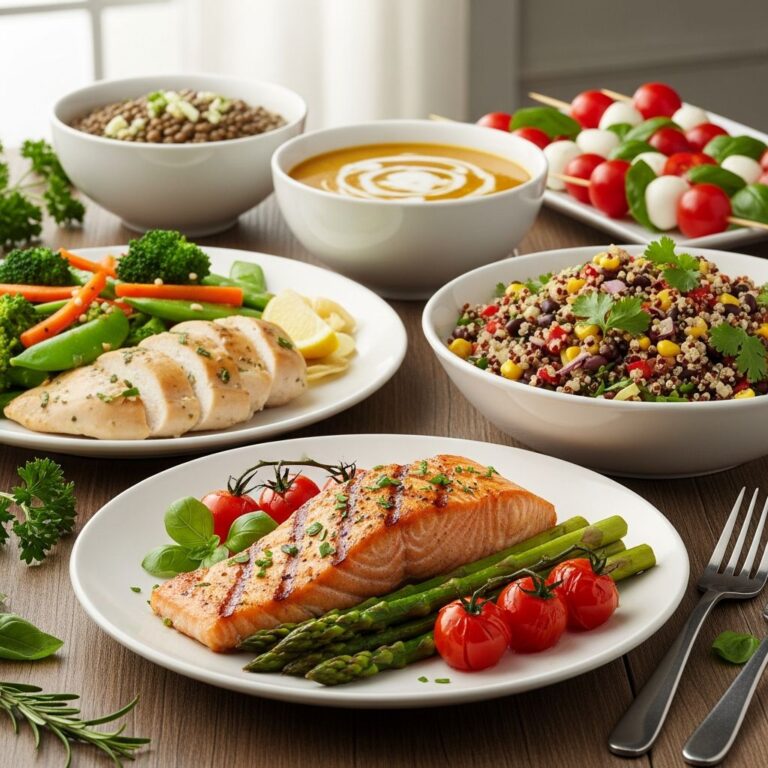
Limit ultra-processed foods; focus on whole meals like veggie stir-fries with sesame oil.
Vegetable Oil vs. Other Fats
| Fat Type | Heart Impact | Best Use |
|---|---|---|
| Vegetable/Seed Oils | Lower LDL, CVD risk | Cooking, dressings |
| Olive Oil | Strong CVD protection | Salads, low-heat |
| Butter/Lard | Increase CVD risk | Minimal use |
| Coconut Oil | Mixed (raises LDL) | Occasional |
Mediterranean diets with olive oil excel, but seed oils fit well.
Frequently Asked Questions
Are seed oils inflammatory?
No, they provide essential omega-6s; inflammation ties to overall diet, not oils.
Is canola oil healthy?
Yes, favorable profile lowers cholesterol, aids weight loss.
Do vegetable oils cause cancer?
Evidence shows reduced risk, especially olive oil; old studies flawed by trans fats.
What’s the best cooking oil?
High-oleic versions or canola for balance; match to heat and flavor.
Should I avoid soybean oil?
Moderation is key; benefits outweigh risks in balanced diets.
Bottom Line
Vegetable oils are healthy when replacing saturated fats, supporting heart health and more. Ignore myths; prioritize quality and whole foods for optimal benefits.
References
- Myth: Vegetable Oils Are Bad for You — Nutrivore. 2023. https://nutrivore.com/myth-busting/vegetable-oils-are-bad-for-you/
- There’s no reason to avoid seed oils and plenty of reasons to eat them — American Heart Association. 2024-08-20. https://www.heart.org/en/news/2024/08/20/theres-no-reason-to-avoid-seed-oils-and-plenty-of-reasons-to-eat-them
- Health Effects of Various Edible Vegetable Oil: An Umbrella Review — PubMed/Elsevier. 2024. https://pubmed.ncbi.nlm.nih.gov/39053603/
- Widely consumed vegetable oil leads to an unhealthy gut — University of California. 2023. https://www.universityofcalifornia.edu/news/widely-consumed-vegetable-oil-leads-unhealthy-gut
- Are Vegetable Oils Good for You? — American Society for Nutrition. 2024. https://nutrition.org/are-vegetable-oils-good-for-you/
- The Evidence Behind Seed Oils’ Health Effects — Johns Hopkins Public Health. 2025. https://publichealth.jhu.edu/2025/the-evidence-behind-seed-oils-health-effects
Similar Articles








Read full bio of Sneha Tete