Is White Rice Healthy? 6 Dietitian-Approved Tips
A registered dietitian breaks down the nutrition facts, health benefits, risks and smarter ways to enjoy white rice in your diet.
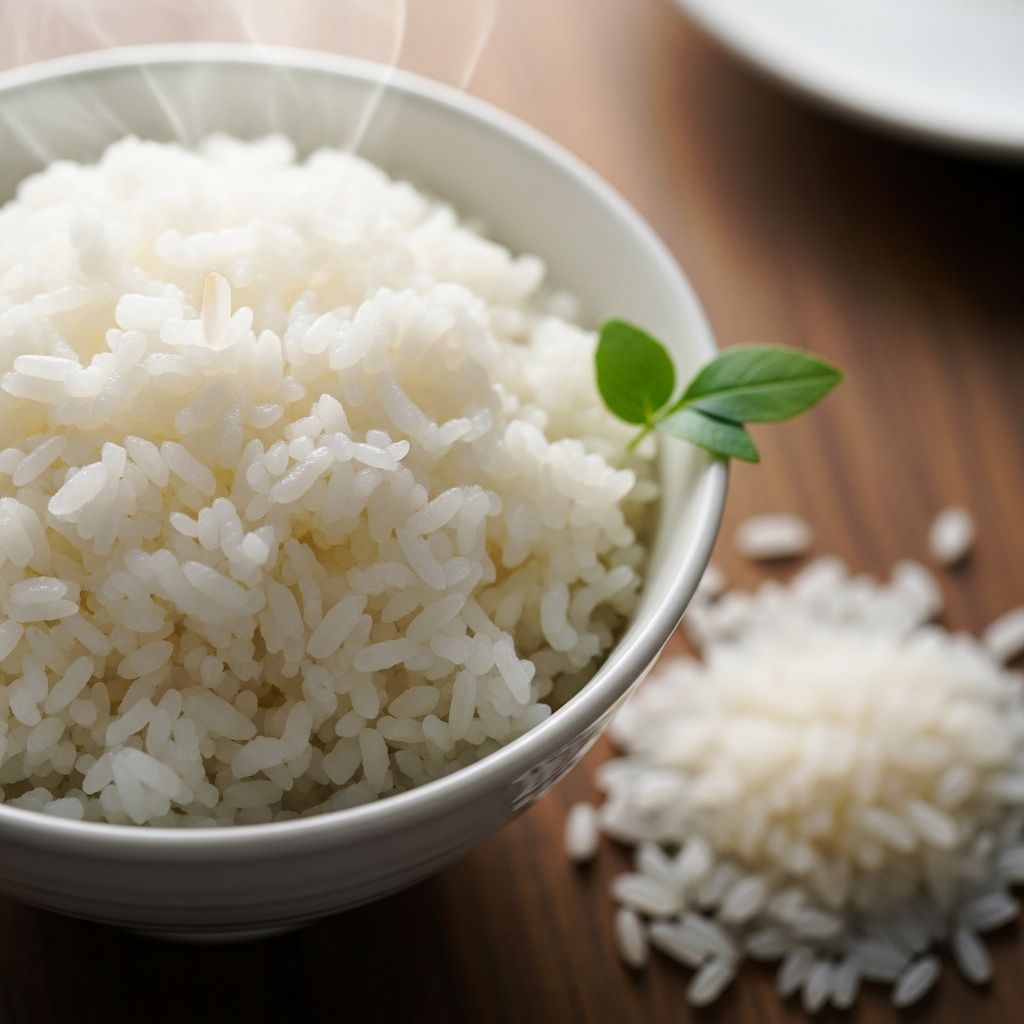
White rice is a dietary staple for billions worldwide, prized for its versatility, mild flavor and easy digestibility. But in an era where whole grains reign supreme, many wonder: Is white rice healthy? As a registered dietitian, I often field this question from clients aiming to optimize their diets for energy, weight management and long-term health.
The short answer? White rice isn’t ‘bad,’ but it’s not a nutritional powerhouse either. It’s a refined grain that’s been stripped of its fiber-rich bran and nutrient-dense germ, leaving mostly easily digestible carbohydrates. That said, in many countries including the U.S., it’s enriched with key vitamins and minerals to boost its profile. Whether white rice fits your healthy eating pattern depends on how much you eat, what you pair it with and your individual health goals.
In this article, we’ll dive deep into white rice’s nutrition facts, unpack its benefits and risks, compare it head-to-head with brown rice, and share practical tips for enjoying it guilt-free. By the end, you’ll have the evidence-based intel to decide if white rice deserves a bowl on your table.
What Is White Rice, Anyway?
Rice starts as a whole grain with three main parts: the nutrient-packed bran (outer layer), the germ (embryo) and the endosperm (starchy core). Brown rice keeps the bran and germ intact, preserving fiber, vitamins, minerals and antioxidants. White rice, however, undergoes milling and polishing that removes those outer layers, resulting in the fluffy white grains we know.
This refining process extends shelf life, improves texture and cooking qualities, and gives white rice its neutral taste that pairs beautifully with bold flavors from around the world. But it comes at a cost: significant nutrient loss. To combat this, most white rice sold in the U.S. is enriched—meaning manufacturers add back iron, thiamin (B1), niacin (B3), folate (B9) and sometimes other nutrients.
Enrichment makes white rice more nutritious than its unenriched counterparts, but it can’t fully replicate the natural complexity of whole grains. Understanding this processing is key to evaluating its health impact.
White Rice Nutrition Facts
A one-cup serving (about 158-200g cooked) of long-grain enriched white rice provides a quick energy hit with modest protein and negligible fat. Here’s the breakdown per USDA data:
| Nutrient | Amount per 1 Cup Cooked | % Daily Value* |
|---|---|---|
| Calories | 194-242 | 10-12% |
| Carbohydrates | 41-53g | 15-19% |
| Protein | 4.4-4.6g | 9% |
| Fat | 0.4-0.6g | <1% |
| Fiber | 0.6-1.4g | 2-5% |
| Sodium | 0-3mg | 0% |
| Manganese | 0.7mg | 33% |
| Folate (B9) | 90mcg | 22% |
| Selenium | 12mcg | 22% |
| Thiamin (B1) | 0.25mg | 21% |
*Based on a 2,000-calorie diet. Values vary slightly by brand and cooking method.
As you can see, white rice shines in simple carbs for fuel but skimps on fiber and many micronutrients unless enriched. It’s naturally gluten-free, low-sodium and cholesterol-free, making it suitable for various dietary needs.
3 Health Benefits of White Rice
Don’t write off white rice entirely— it offers legitimate upsides, especially in context.
1. Provides Quick, Reliable Energy
White rice’s simple carbs digest rapidly, delivering glucose to your bloodstream fast for immediate energy. This makes it ideal pre-workout: the National Academy of Sports Medicine recommends carbs make up most of a pre-exercise meal, targeting 1g per kg body weight one hour prior. For a 150-lb (68kg) person, one cup supplies ~78% of that goal.
Related Stories



Athletes and active folks worldwide rely on rice for fueling endurance events—think sushi before marathons or rice bowls for soccer players.
2. Delivers Key Minerals Like Manganese and Selenium
Enriched white rice packs 33% DV manganese per cup, supporting bone health, metabolism and antioxidant defenses. Selenium (22% DV) aids DNA synthesis, cell protection and thyroid function. These ‘surprise’ nutrients make refined rice more valuable than assumed.
3. Rich in Essential B Vitamins
Enrichment restores B vitamins crucial for energy production, brain health and cell function. You’ll get 22% DV folate (vital for pregnancy to prevent neural tube defects), 21% thiamin and 15% niacin. These help convert food to fuel and support nerve health.
White Rice vs. Brown Rice: A Head-to-Head Comparison
Brown rice retains its bran and germ, offering superior nutrition. Here’s how one cup cooked stacks up (USDA data):
| Nutrient | White Rice (Enriched) | Brown Rice |
|---|---|---|
| Calories | 194-242 | 248 |
| Carbs | 41-53g | 52g |
| Fiber | 0.6-1.4g | 3.2g |
| Protein | 4.4-4.6g | 5.5g |
| Magnesium | 2% DV | 11% DV |
| Manganese | 33% DV | Higher naturally |
Brown rice edges out in fiber (for digestion and satiety), magnesium, antioxidants and phytonutrients like gamma-oryzanol that may reduce disease risk. However, differences are modest if your diet is varied—white rice’s fluffier texture suits certain cuisines better, like Latin American beans-and-rice dishes where complementary proteins form complete aminos.
The Downsides and Health Risks of Eating White Rice
White rice’s low fiber means higher glycemic index (GI), causing quicker blood sugar spikes. Studies link high refined grain intake to increased type 2 diabetes risk, unlike whole grains. Its ’empty’ calories can displace nutrient-dense foods, and arsenic (naturally in rice) accumulates more in white varieties due to processing—though levels are generally safe with moderation.
For digestive sensitivities, low fiber aids tolerance but may not promote optimal gut health like brown rice’s resistant starch, which feeds beneficial bacteria and reduces colon cancer risk.
6 Smarter Ways to Eat White Rice
- Pair with fiber and protein: Combine with beans, veggies, lean meats or avocado to blunt blood sugar rises and create balanced meals.
- Opt for enriched varieties: Check labels for added nutrients.
- Control portions: Stick to ½-1 cup cooked per meal.
- Mix with brown rice: Blend 50/50 for better nutrition and texture.
- Choose parboiled or converted rice: More nutrients migrate to the endosperm during processing.
- Rinse before cooking: Reduces arsenic slightly; vary grains weekly.
Is White Rice Healthy for Weight Loss?
White rice is calorie-dense but not inherently fattening—overconsumption of any carb is. Its low fiber may lead to quicker hunger vs. brown rice. Focus on portion control and pairings for satiety. In diverse diets, it fits fine; no need to demonize.
Bottom Line: Can You Eat White Rice on a Healthy Diet?
Yes—in moderation as part of a varied, balanced diet. It’s not villainous but prioritize whole grains most days. Cultural favorites like rice keep eating enjoyable, key for sustainability. Consult a dietitian for personalized advice.
Frequently Asked Questions (FAQs)
Is white rice healthier than brown rice?
Brown rice is more nutritious overall due to higher fiber, vitamins and antioxidants, but enriched white rice provides quick energy and key B vitamins. Choose based on needs.
Does white rice cause diabetes?
High intake of refined white rice may raise type 2 diabetes risk due to its high GI, but pairing with proteins/fats mitigates this. Whole grains are safer long-term.
Is white rice inflammatory?
No evidence suggests white rice is pro-inflammatory. Its low fiber limits anti-inflammatory benefits of whole grains.
Can I eat white rice every day?
Yes, in moderation (½-1 cup/meal) within a nutrient-rich diet. Rotate with quinoa, barley or brown rice for variety.
Is white rice good for digestion?
Its bland, low-fiber nature soothes upset stomachs (e.g., BRAT diet) but doesn’t promote long-term gut health like high-fiber grains.
References
- Is White Rice Healthy? Nutrition, Benefits, and Risks to Know — Lose It!. 2023. https://www.loseit.com/articles/white-rice-nutrition/
- White Rice vs. Brown Rice: Nutrition and Health Impacts — Your Latina Nutritionist. 2024. https://yourlatinanutritionist.com/blog/is-white-rice-nutritious
- Rice 101: Nutrition facts and health effects — Medical News Today. 2023-10-15. https://www.medicalnewstoday.com/articles/318699
- Is White Rice Healthy or Bad for You? — Healthline. 2024. https://www.healthline.com/nutrition/is-white-rice-bad-for-you
- Rice and Nutrition: The Latest Research — NutritionFacts.org. 2025. https://nutritionfacts.org/topics/rice/
- Nutrition facts – Rice, white, long-grain, parboiled, enriched, cooked — UR Medicine (University of Rochester). 2024. https://www.urmc.rochester.edu/encyclopedia/content?contenttypeid=76&contentid=20047-1
Similar Articles








Read full bio of Sneha Tete