Is White Rice Healthy? Nutrition Facts and Benefits
Discover the nutritional truth about white rice and how it fits into a balanced diet.
Is White Rice Healthy? A Complete Nutritional Guide
White rice is one of the most widely consumed grains worldwide, yet it often comes under scrutiny when discussing healthy eating habits. The question of whether white rice is healthy has sparked considerable debate among nutrition experts. The truth is more nuanced than a simple yes or no answer. While white rice differs significantly from its brown rice counterpart, it can absolutely be part of a healthy, balanced diet when consumed in appropriate portions and prepared thoughtfully.
Understanding the nutritional profile of white rice, how it’s processed, and how to incorporate it effectively into your meals is essential for making informed dietary choices. This comprehensive guide explores all aspects of white rice nutrition and its place in a healthy lifestyle.
Understanding White Rice Nutrition
White rice is primarily composed of carbohydrates, making it an excellent source of energy. A typical serving of one cup (158 grams) of cooked long-grain white rice contains approximately 194 calories, along with 41 grams of carbohydrates, 4.6 grams of protein, 0.6 grams of fat, 1.4 grams of fiber, and just 3 milligrams of sodium. These basic nutritional components make white rice a relatively simple food from a macronutrient perspective.
Since white rice is a refined grain—meaning the outer bran and inner germ layers have been removed during processing—it naturally loses many of the vitamins and minerals found in whole grains. However, in the United States and many other countries, white rice is typically enriched with added nutrients to compensate for this loss. Most enriched white rice contains added iron and B vitamins including folic acid, niacin, and thiamine, which are important for energy metabolism and overall health.
Key Nutritional Components
- Carbohydrates: The primary macronutrient, providing quick energy for daily activities
- Protein: Supports muscle maintenance and tissue repair
- Fat: Minimal content makes it a heart-healthy grain choice
- Sodium: Naturally low, supporting cardiovascular health
- B Vitamins: Added through enrichment to support energy production and cellular function
Health Benefits of White Rice
Despite its reputation as a refined grain, white rice offers several legitimate health benefits when consumed as part of a balanced diet.
Quick Energy Release
White rice provides rapid carbohydrate energy, making it an ideal choice for pre- or post-workout meals. The refined nature of white rice means it’s broken down quickly during digestion, delivering glucose to the bloodstream efficiently. This characteristic makes it particularly valuable for athletes or individuals with high energy demands.
Fortified With Essential Vitamins
The enrichment process adds crucial nutrients to white rice that support overall health. Iron contributes to oxygen transport in the blood and prevents anemia, while B vitamins are essential for energy metabolism, nervous system function, and maintaining healthy skin and hair. When purchasing white rice, choosing enriched varieties ensures you’re getting these added nutritional benefits.
Easy to Digest
The refined nature of white rice makes it particularly gentle on the digestive system. The removal of the tough bran layer creates a grain that’s easier for the stomach to break down, making it an excellent choice for individuals with sensitive digestive systems or those recovering from gastrointestinal issues.
Related Stories



Naturally Low in Fat and Sodium
White rice is inherently low in both fat and sodium, making it an excellent foundation for heart-healthy meals. This nutritional profile supports cardiovascular health and helps maintain healthy blood pressure when prepared without high-sodium sauces or salted water. The versatility of white rice allows it to pair well with various proteins, vegetables, and healthy fats to create nutritionally balanced plates.
Supports Gut Health
An often-overlooked benefit involves the resistant starch content in white rice. Research suggests that cooking white rice and then cooling it modestly increases its resistant starch content. Resistant starch acts as a prebiotic, providing fuel for beneficial gut bacteria that support digestion and overall gut function. Additionally, resistant starch increases butyrate in the gut, which boosts gut health by reducing inflammation, improving gut barrier function, and potentially reducing the risk of colon cancer.
White Rice vs. Brown Rice: A Detailed Comparison
The comparison between white and brown rice is central to discussions about rice healthiness. Understanding the differences helps you make choices aligned with your dietary goals and nutritional needs.
| Nutrient (per 100g cooked) | White Rice | Brown Rice |
|---|---|---|
| Calories | 123 | 111 |
| Carbohydrates | 26–30g | 23g |
| Protein | 2.9g | 2.6g |
| Fat | 0.4g | 0.9g |
| Fiber | 0.9g | 1.8g |
| Folate (%RDI) | 20% (enriched) | 1% |
| Iron (%RDI) | 10% (enriched) | 2% |
| Magnesium (%RDI) | 2% | 11% |
Key Differences
Brown rice retains its bran and germ layers, making it a whole grain with naturally higher fiber, magnesium, manganese, copper, and zinc content compared to white rice. A cup of cooked brown rice (202 grams) contains 248 calories, 52 grams of carbohydrates, 5.5 grams of protein, 2 grams of fat, and 3.2 grams of fiber, compared to white rice’s similar but slightly lower values across most nutrients.
However, these differences are often smaller than they appear. Brown rice contains only about 1–2 more grams of fiber, protein, and fat than white rice per serving. For most people eating a well-rounded diet with vegetables, legumes, and other whole foods, these differences are negligible. Additionally, enriched white rice is actually higher in iron and folate than brown rice due to the enrichment process.
Nutritional Advantages of Brown Rice
- Higher fiber content supports digestive health and satiety
- More naturally occurring minerals without requiring enrichment
- Contains antioxidants and essential amino acids
- Greater micronutrient density in its whole grain form
White Rice Advantages
- Easier to digest for sensitive stomachs
- Enriched varieties provide significant iron and folate
- Lighter texture pairs well with various cuisines
- Faster cooking time
- Resistant starch benefits when cooked and cooled
Is White Rice Good for Weight Loss?
A common misconception is that white rice inherently causes weight gain. The reality is more straightforward: white rice itself doesn’t cause weight gain, but regularly consuming more calories than you expend does. White rice can absolutely be part of a weight loss plan when consumed in appropriate portions and balanced with other nutrients.
With only 194 calories per cooked cup and minimal fat, white rice is not an inherently high-calorie food. The key to weight loss success with white rice involves portion control and meal composition. Pairing white rice with protein, fat, and fiber helps reduce blood sugar spikes and promotes consistent energy levels, which supports weight management.
Strategies for Weight Loss with White Rice
- Practice portion control: Use a measuring cup to ensure appropriate serving sizes
- Pair with protein: Add lean meats, fish, or legumes to increase satiety
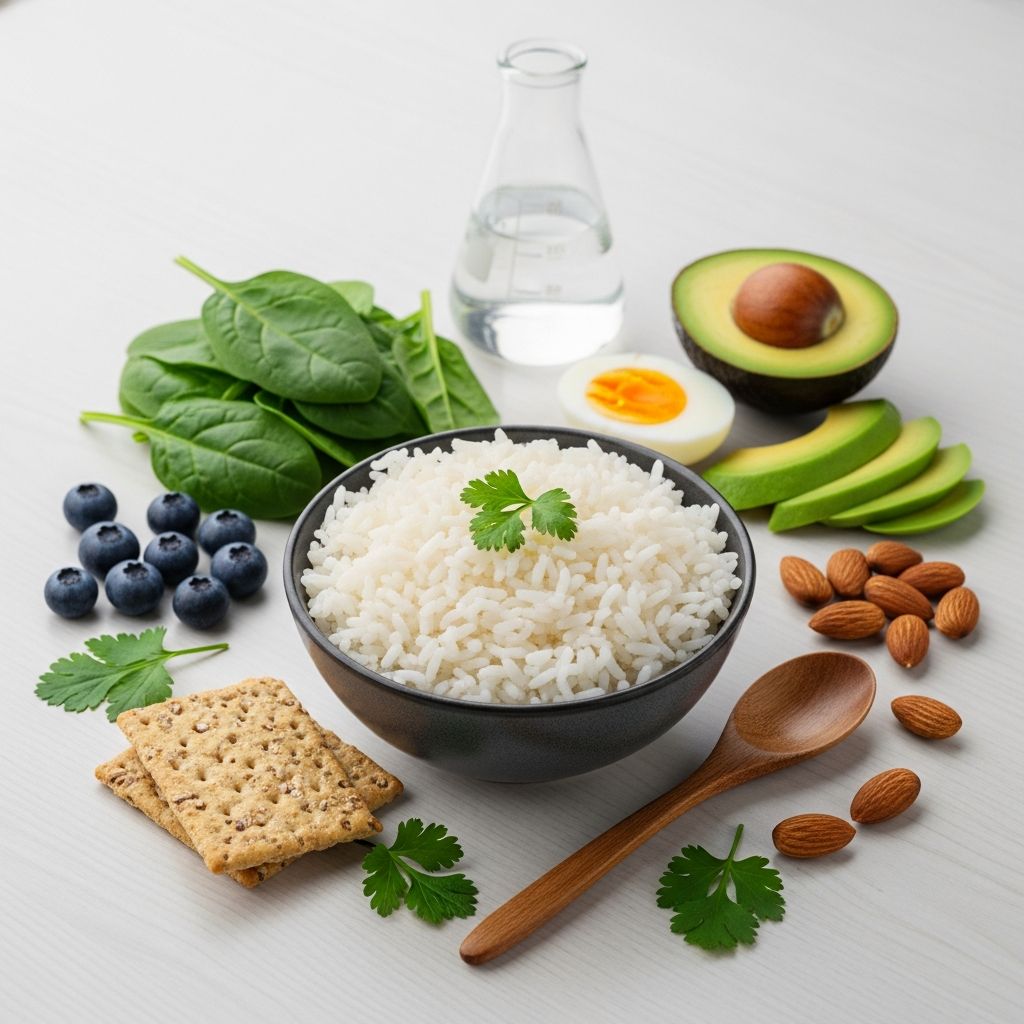
- Include healthy fats: Incorporate avocado, olive oil, or nuts
- Add fiber: Include vegetables, beans, or whole grains in your meal
- Monitor overall calories: Ensure total daily intake supports your weight loss goals
White Rice and Complementary Proteins
One often-overlooked nutritional advantage of white rice is its role in forming complete proteins when combined with other foods. The amino acids in white rice, when paired with amino acids from legumes like beans, form a complementary protein that provides all nine essential amino acids that our bodies cannot produce independently. This combination is particularly valuable in plant-based diets and demonstrates how white rice can contribute meaningfully to protein nutrition as part of balanced meals.
Health Considerations and Potential Concerns
While white rice can be healthy, certain considerations merit attention. Refined white rice, when unenriched, provides energy and basic nutrients but does not offer substantial health benefits. Some research indicates that high consumption of white rice, particularly sticky rice varieties, may be associated with increased type 2 diabetes risk. The key distinction is that these concerns primarily apply to excessive consumption of refined, unenriched white rice as a dietary staple.
According to dietary guidelines, it’s recommended that half of the grains in your diet come from whole grains such as brown rice. This doesn’t mean avoiding white rice entirely, but rather balancing it with whole grain options and other nutrient-dense foods to optimize your overall diet quality.
Making White Rice Part of a Healthy Diet
White rice can absolutely fit into a healthy eating pattern when approached strategically. Choose enriched white rice varieties to maximize nutritional value, and be intentional about portion sizes. Build meals around white rice by adding lean proteins, healthy fats, and plenty of vegetables.
Consider cooking and cooling white rice to increase resistant starch content, which enhances its gut health benefits. When preparing white rice, avoid adding salt or high-sodium sauces to maintain the grain’s natural low-sodium profile. Incorporating white rice into diverse meal patterns rather than relying on it as your only grain ensures you receive varied nutrients from different sources.
Frequently Asked Questions
Q: Is enriched white rice as healthy as brown rice?
A: Enriched white rice and brown rice have different nutritional profiles. Brown rice is naturally higher in fiber and certain minerals, while enriched white rice contains added iron and folate. Both can be part of a healthy diet; the choice depends on individual nutritional needs and preferences. A balanced diet including both types of rice and other whole grains is ideal.
Q: Can I eat white rice if I’m trying to lose weight?
A: Yes, white rice can support weight loss when consumed in appropriate portions as part of a calorie-balanced diet. Pairing white rice with protein, healthy fats, and vegetables helps create satisfying meals that support weight management goals.
Q: Does white rice cause blood sugar spikes?
A: White rice has a relatively high glycemic index, meaning it can raise blood sugar relatively quickly. However, pairing it with protein, fat, and fiber moderates this effect. Cooking and cooling white rice also increases resistant starch, which helps stabilize blood sugar responses.
Q: Is white rice gluten-free?
A: Yes, all rice, including white rice, is naturally gluten-free, making it a safe choice for people with celiac disease or gluten sensitivity.
Q: How much white rice should I eat per day?
A: Portion recommendations depend on individual caloric needs and overall diet composition. A typical serving is about one-half to one cup of cooked rice per meal. Since the recommendation is that half your grains come from whole grains, balancing white rice with brown rice and other whole grains is advisable.
Q: What’s the best way to prepare white rice for maximum health benefits?
A: Cook white rice in unsalted water, then cool it after cooking to increase resistant starch content. Pair it with lean proteins, healthy fats, and vegetables to create nutritionally complete meals that stabilize blood sugar and promote satiety.
References
- Is White Rice Healthy for You? — Cozymeal. https://www.cozymeal.com/magazine/is-white-rice-healthy
- White Rice vs. Brown Rice: Nutrition and Health Impacts — Your Latina Nutritionist. https://yourlatinanutritionist.com/blog/is-white-rice-nutritious
- Rice 101: Nutrition facts and health effects — Medical News Today. https://www.medicalnewstoday.com/articles/318699
- Is White Rice Healthy or Bad for You? — Healthline. https://www.healthline.com/nutrition/is-white-rice-bad-for-you
Similar Articles








Read full bio of medha deb