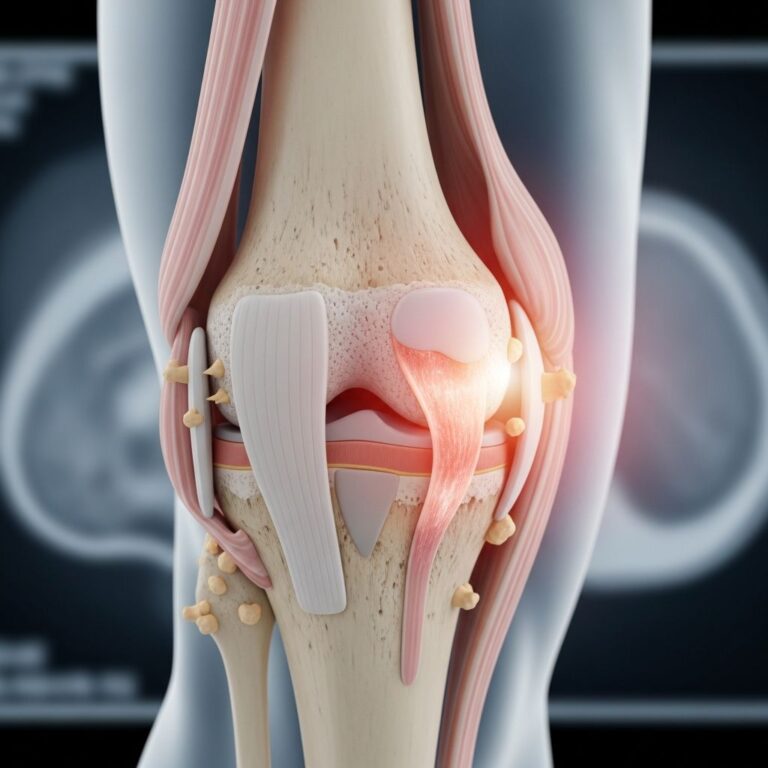
Is Whole Milk Healthy? 4 Key Benefits And Considerations
Uncover the science behind whole milk: nutrition facts, health benefits, risks, and how it compares to low-fat options for your diet.
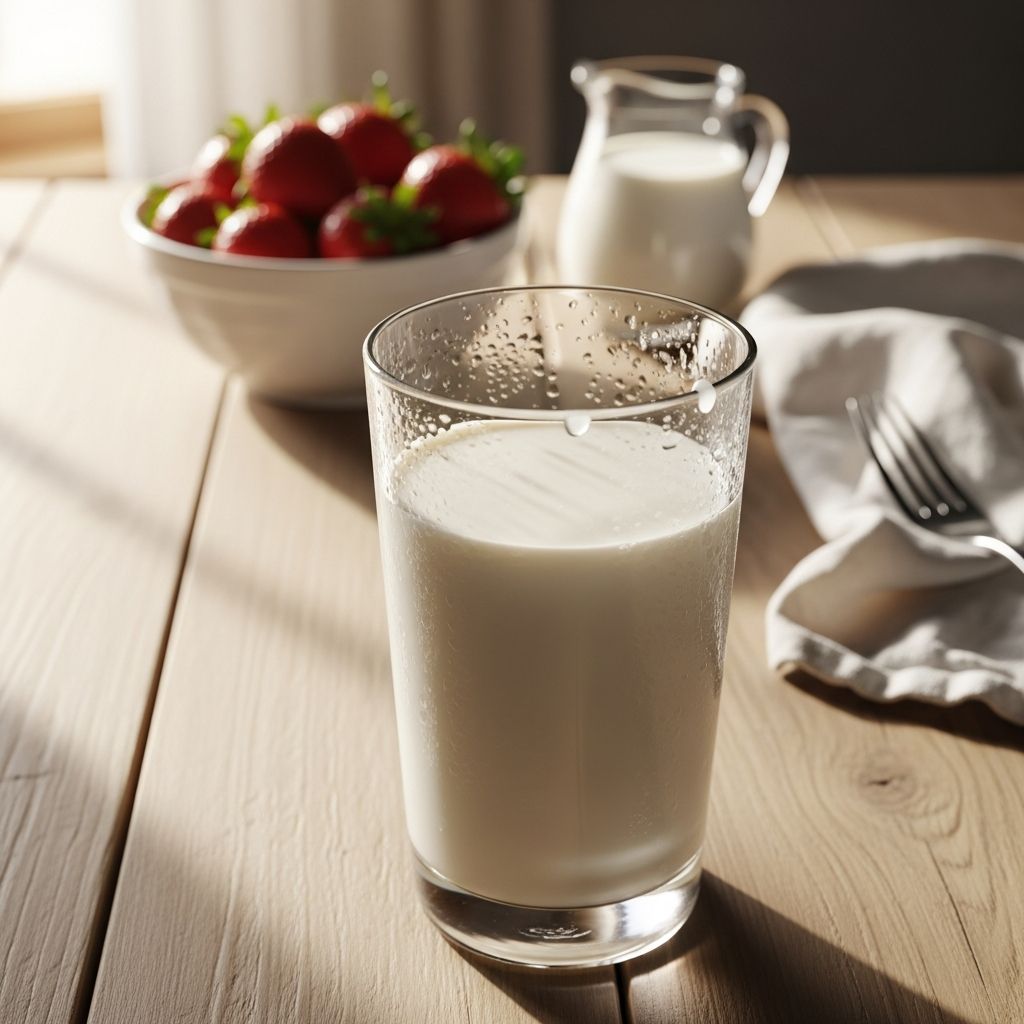
Whole milk, with its 3.25% fat content, has long been debated in nutrition circles. Once vilified for its saturated fat, emerging research suggests it may offer unique health benefits without the risks previously assumed. This article examines the nutritional profile, potential advantages, risks, and dietary guidelines to help you decide if whole milk fits your health goals.
What Is Whole Milk—and How Does It Compare Nutritionally to Low-Fat and Skim Milk?
Whole milk comes straight from the cow, standardized to contain about 3.25% milkfat, providing a creamy texture and rich flavor. Unlike low-fat (1-2% fat) or skim (fat-free) varieties, it retains all natural fats, which influence its calorie density and nutrient absorption.
One cup (244g) of whole cow’s milk delivers approximately:
- Calories: 149-152
- Protein: 8g high-quality complete protein
- Total Fat: 8g (4.6g saturated)
- Carbohydrates: 12g (mostly lactose)
- Calcium: 300mg (23% DV)
- Vitamin D: Fortified to 100 IU (15% DV)
- Other nutrients: Potassium, phosphorus, B12, riboflavin, vitamin A
In comparison, fat-free milk has about 80-90 calories and negligible fat per cup, but identical protein and micronutrients. The fat in whole milk enhances absorption of fat-soluble vitamins like A and D.
| Nutrient (per 1 cup) | Whole Milk | 2% Milk | Skim Milk |
|---|---|---|---|
| Calories | 150 | 120 | 80 |
| Fat (g) | 8 | 5 | 0 |
| Protein (g) | 8 | 8 | 8 |
| Calcium (mg) | 300 | 300 | 300 |
Data synthesized from USDA-aligned sources. All milk types provide 13 essential nutrients, but whole milk’s fat promotes satiety.
4 Potential Health Benefits of Whole Milk
1. Supports Bone Health
Milk’s calcium, phosphorus, and vitamin D combo is ideal for bones. Vitamin D aids calcium absorption, while protein maintains bone density and muscle mass. MyPlate.gov recommends 3 dairy servings daily for adults to meet these needs.
2. Provides High-Quality Protein
With 8g per cup, milk protein is complete, containing all essential amino acids for muscle repair, satiety, and metabolic health. It’s particularly beneficial post-exercise.
3. May Aid Weight Management
Paradoxically, whole milk’s fat may prevent obesity. A meta-analysis found 49% lower overweight/obesity odds in children consuming whole vs. reduced-fat milk. Higher-fat dairy links to lower BMI without heart risk, promoting fullness.
4. Heart-Healthy in Moderation
Recent evidence shows whole dairy saturated fats may not raise cardiovascular risk. Dietary Guidelines note dairy fats are acceptable within calorie limits. Trials found no LDL/HDL changes from whole vs. low-fat dairy in metabolic syndrome patients.
Potential Downsides of Whole Milk
Whole milk’s calories (150/cup) can add up, potentially leading to weight gain if overconsumed. Saturated fat concerns persist for some, though evidence is mixed. Lactose intolerance affects 65% globally; opt for lactose-free whole milk.
- Allergies: Cow’s milk protein allergy impacts infants; alternatives exist.
- Prostate risk: Some studies link daily milk to higher prostate cancer odds, but evidence is inconsistent.
- Acne: Possible hormone links in dairy.
Related Stories



What Does the Research Say about Whole Milk?
Shifting paradigms challenge low-fat dogma. A PMC review of cohorts shows whole-milk dairy improves body composition sans weight loss, lowers child obesity risk by 16-18%. No cardiometabolic harm in adults; dairy matrix may reduce inflammation.
Prospective studies: 7467 children had lower overweight odds with whole milk; similar in 796 kids to adolescence. RCTs confirm neutral vascular effects.
Should You Drink Whole Milk?
Yes, in moderation—1-2 cups daily—for most healthy adults. It fits balanced diets, especially for satiety and nutrient density. Children may benefit more from whole fat.
Consult a doctor if lactose intolerant, allergic, or with conditions like high cholesterol. Pair with veggies/fruits for synergy.
Bottom Line
Whole milk is nutritious and potentially healthier than once thought, thanks to protein, vitamins, and satiety effects outweighing fat concerns for many. Choose based on your needs: whole for fullness, skim for calorie control.
Frequently Asked Questions (FAQs)
Is whole milk healthier than skim milk?
Whole milk may support better weight management and satiety due to fat content, with no proven heart risks; skim cuts calories.
Does whole milk cause weight gain?
Not necessarily—studies link it to lower obesity risk in kids; fat promotes fullness.
Is whole milk good for heart health?
Evidence suggests neutral or positive effects; dairy fats differ from other saturated sources.
How much whole milk should I drink daily?
1-3 cups as part of 3 dairy servings, per MyPlate.
Can I give whole milk to toddlers?
Yes, recommended until age 2 for brain development; switch to low-fat after.
References
- Nutritional Value of Milk — American Dairy Association NE. 2023. https://www.americandairy.com/health-wellness/benefits-of-dairy/milk/
- Health Benefits of Milk — Dairy Farmers of America. 2024. https://www.dfamilk.com/stories-inspiration/articles/health-benefits-of-milk
- The Relationship between Whole-Milk Dairy Foods and Metabolic Health — PMC/NCBI. 2023-08-01. https://pmc.ncbi.nlm.nih.gov/articles/PMC10459826/
- Milk: Health Benefits, Nutrition Facts, and More — WebMD. 2024. https://www.webmd.com/diet/health-benefits-milk
- Milk 101: Nutrition Facts and Health Effects — Healthline. 2024. https://www.healthline.com/nutrition/milk
- Milk — Harvard T.H. Chan School of Public Health Nutrition Source. 2023. https://nutritionsource.hsph.harvard.edu/milk/
- Dairy Group – One of the Five Food Groups — MyPlate.gov (USDA). 2025. https://www.myplate.gov/eat-healthy/dairy
Similar Articles








Read full bio of Sneha Tete